loading
Maximum Service Temperature: 1100°C
Electrical Resistivity: 1.00 μΩ·m
Chromium Content: 18–21%
Nickel Content: 34–37%
Excellent Oxidation Resistance
Custom Wire, Strip & Coil Specifications
| Availability: | |
|---|---|
| Quantity: | |
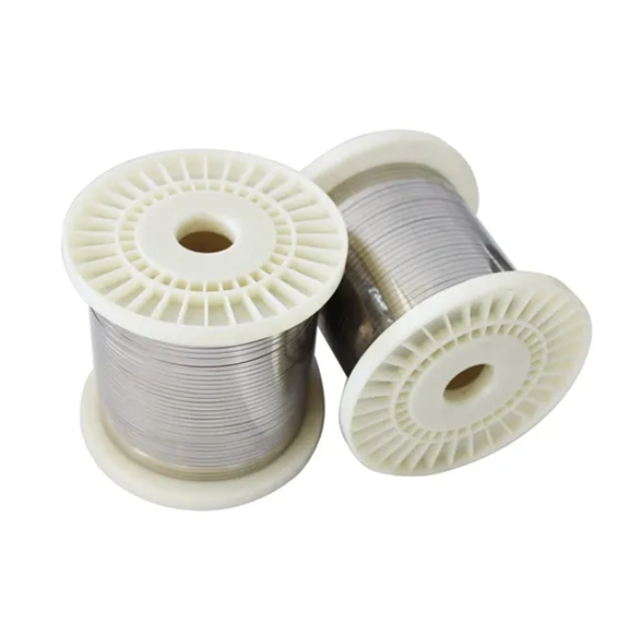
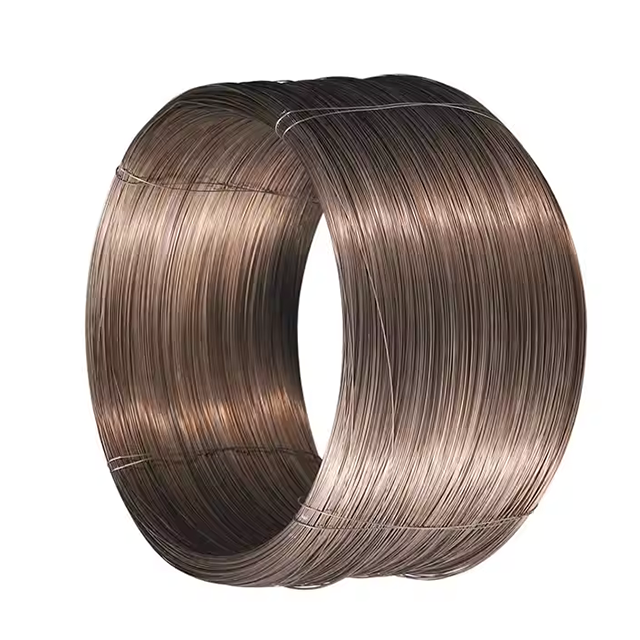
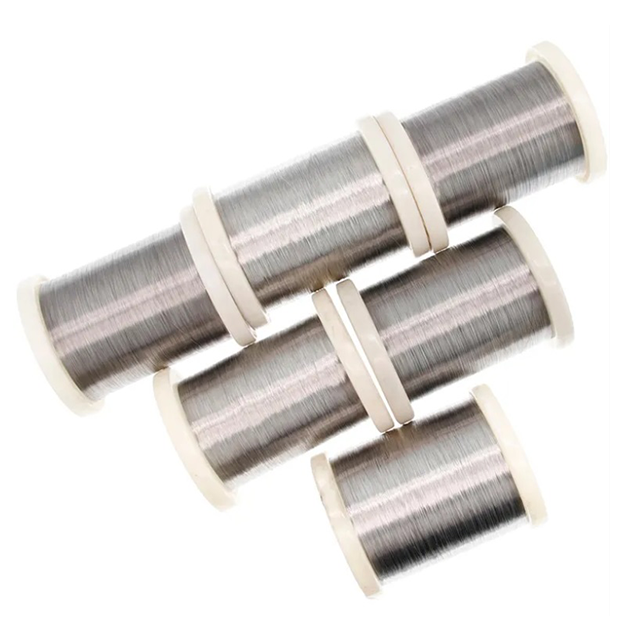
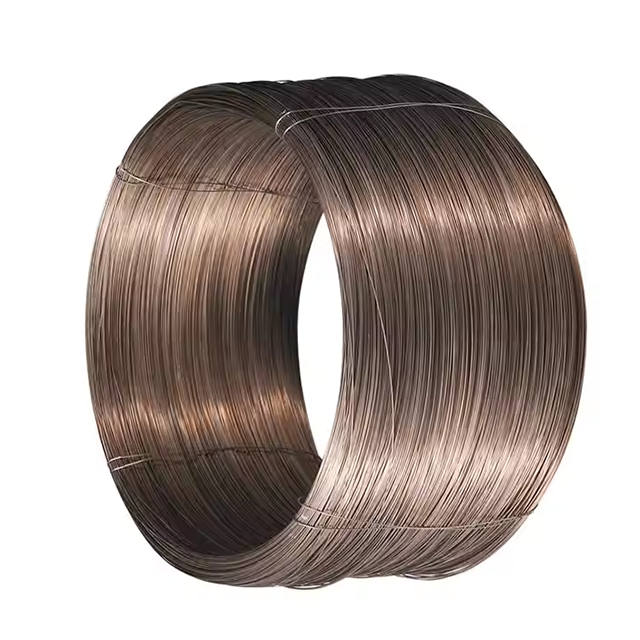
Cr20Ni35 is a nickel-chromium-iron resistance alloy designed for electrical heating elements and resistance components. With a nominal composition of 18–21% chromium and 34–37% nickel, it offers high electrical resistivity, good oxidation resistance, stable high-temperature performance, and good workability.
With a maximum service temperature of approximately 1100°C under specified operating conditions, Cr20Ni35 is suitable for industrial heating equipment, heat-treatment furnaces, household heating appliances, and electrical resistance applications. It can be supplied in different product forms according to application requirements and manufacturing specifications.
High Electrical Resistivity: Supports the design of resistance heating elements with appropriate electrical resistance.
Oxidation Resistance: Chromium-containing alloy composition helps resist oxidation during high-temperature operation in air.
High-Temperature Stability: Suitable for heating applications with service temperatures up to the specified operating limit.
Good Formability: Can be processed into wire, strip, and other forms for different heating element designs.
Reliable Mechanical Properties: Suitable for applications requiring stable dimensions and resistance to deformation under specified operating conditions.
Flexible Product Specifications: Available dimensions and product forms can be discussed according to customer requirements.
Parameter | Specification |
|---|---|
Alloy Grade | Cr20Ni35 |
Alloy Type | Nickel-Chromium-Iron Resistance Alloy |
Chromium (Cr) Content | 18–21% |
Nickel (Ni) Content | 34–37% |
Iron (Fe) Content | Balance |
Maximum Service Temperature | 1100°C |
Approximate Melting Point | 1390°C |
Density | 7.90 g/cm³ |
Electrical Resistivity at 20°C | 1.00 μΩ·m |
Elongation | ≥20% |
Specific Heat Capacity | 0.500 J/(g·K) |
Thermal Conductivity | 43.8 kJ/(m·h·°C), as listed in the catalog |
Linear Expansion Coefficient | 19 × 10⁻⁶/°C, reference value |
Microstructure | Austenitic |
Product Forms | Wire, strip, sheet, bar and other forms subject to availability |
Note: The values above are based primarily on the supplied product catalog. Confirm the electrical resistivity tolerance, magnetic properties, and product-specific dimensional range with the manufacturer before publication.
Element | Content (%) |
|---|---|
Carbon (C) | ≤0.08 |
Phosphorus (P) | ≤0.023 |
Sulfur (S) | ≤0.015 |
Manganese (Mn) | ≤0.60 |
Silicon (Si) | 1.00–3.00 |
Chromium (Cr) | 18.0–21.0 |
Nickel (Ni) | 34.0–37.0 |
Aluminum (Al) | Not specified in the catalog |
Iron (Fe) | Balance |
Chemical composition is based on the supplied catalog. Actual composition should be verified against the applicable material specification and inspection certificate for each production batch.
Cr20Ni35 can be considered for different product forms depending on the heating element design and manufacturing requirements.
Used for coiled heating elements, electrical resistance components, and industrial heating assemblies.
Reference series range: diameter 0.08–12 mm; confirm Cr20Ni35-specific availability.
Suitable for strip-type heating elements and resistance components requiring controlled thickness and width.
Reference series range: thickness 0.2–20 mm and width 10–300 mm; confirm available combinations.
Considered for machined resistance components and custom industrial heating applications.
Reference series range: bar diameter 1–300 mm; sheet thickness from 0.7 mm, with widths up to 1200 mm as listed in the catalog. Confirm actual supply options.
The dimensions above are general ranges in the supplied alloy catalog, not a guarantee that every size is available in Cr20Ni35. Final dimensions, tolerances, surface condition, and delivery form should be confirmed when requesting a quotation.
The following describes a typical manufacturing route for nickel-chromium resistance alloys. The actual production sequence may vary with the product form and the manufacturer's process.
Select nickel, chromium, iron, and other required alloying materials according to the specified Cr20Ni35 composition.
Melt the selected materials using the applicable alloy production process. Control the chemical composition to meet the required grade specification.
Convert the alloy into suitable intermediate stock and use appropriate hot-working operations to prepare it for subsequent processing.
Process the intermediate material into wire, strip, or other required forms. Control dimensions according to the order specification.
Apply suitable heat treatment and surface finishing where required to achieve the specified delivery condition.
Verify applicable chemical, dimensional, electrical, and appearance requirements before packaging and shipment.
Production process note: This is a typical industry process description, not a verified statement of Leader Steel's exact manufacturing route. Retain the section after confirming the actual process with the manufacturer.
Quality requirements should be defined according to the alloy grade, product form, and customer specification.
Chemical Composition Inspection: Verify the principal alloying elements and specified impurity limits.
Dimensional Inspection: Check wire diameter, strip thickness, width, and other ordered dimensions.
Electrical Resistivity Testing: Verify resistivity against the agreed specification and test conditions.
Mechanical Testing: Evaluate elongation and other required mechanical properties where applicable.
Surface Inspection: Check for visible surface defects that could affect subsequent processing or use.
Batch Traceability: Maintain material identification and inspection records where provided by the manufacturer's quality system.
Inspection reports, material certificates, and additional tests should be confirmed when placing the order.
Used in suitable resistance heating assemblies for heat-treatment equipment operating within the alloy's specified service limits.
Can be considered for heating element designs where the alloy's electrical resistance and processing characteristics meet the design requirements.
Applicable to selected industrial furnaces and electrical heating systems that require controlled resistance heating.
Household Heating Appliances
May be used in compatible appliance heating components, subject to temperature, electrical load, and service-life requirements.
Cr20Ni35 offers a combination of electrical resistivity, oxidation resistance, and workability for applications requiring nickel-chromium resistance alloy materials. Selecting the appropriate wire or strip dimensions and operating conditions helps match the alloy to the heating element design.
For industrial buyers, material consistency, dimensional control, and clear technical specifications are important when evaluating a supplier. Customers can provide the intended application, operating temperature, required dimensions, and electrical resistance targets to discuss a suitable product configuration.
Cr20Ni35 is a nickel-chromium-iron resistance alloy containing approximately 18–21% chromium and 34–37% nickel. It is used in electrical heating elements and resistance components.
The supplied product catalog lists a maximum service temperature of 1100°C. Actual allowable operating temperature depends on the element design, atmosphere, loading, and operating conditions.
The supplied catalog lists a resistivity of 1.00 μΩ·m at 20°C. The allowable tolerance should be confirmed with the manufacturer before finalizing a technical specification.
Wire, strip, and other forms may be available depending on manufacturing capability and order requirements. Confirm the specific dimensions, delivery condition, and available forms with the supplier.
Provide the alloy grade, product form, dimensions, required quantity, operating temperature, application, and any specific chemical composition or electrical resistance requirements.
Dimensions and delivery requirements can be discussed according to the manufacturer's actual production capabilities. Custom specifications should be confirmed before order placement.