loading
| Availability: | |
|---|---|
| Quantity: | |
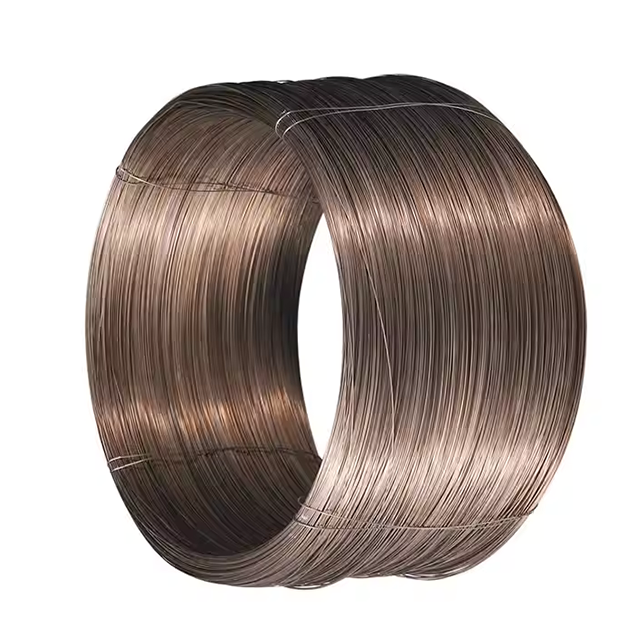
Cr20Ni80, also commonly known as Ni80Cr20, Nichrome 80 or Nichrome 80/20, is a nickel-chromium resistance alloy designed for electric heating applications requiring stable electrical resistance, oxidation resistance and reliable performance at elevated temperatures.
With approximately 80% nickel and 20% chromium as its principal alloying elements, Cr20Ni80 is widely used for industrial heating elements, electric furnaces, tubular heaters, cartridge heaters, heating coils and other electrical resistance heating components.
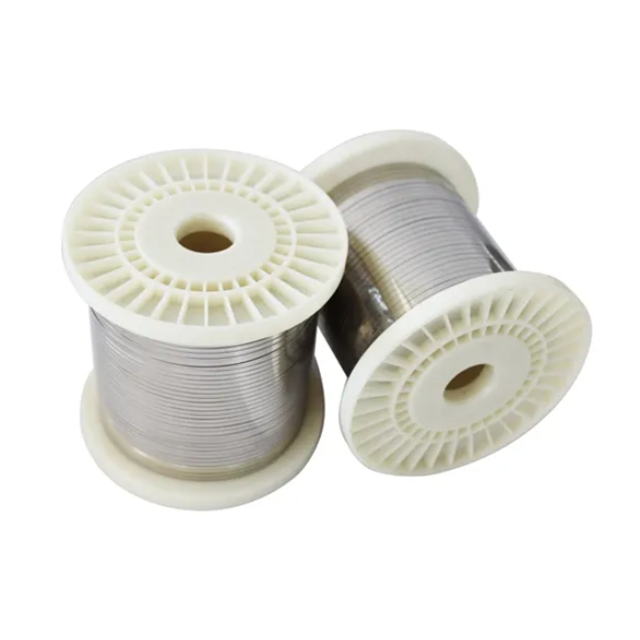
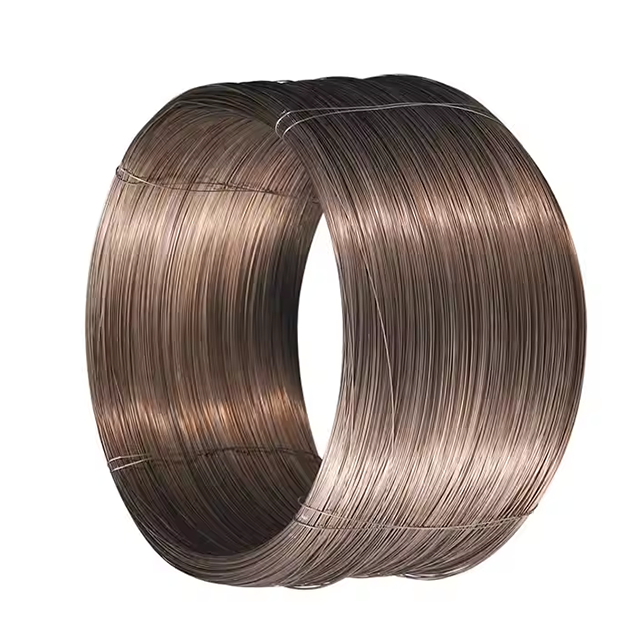
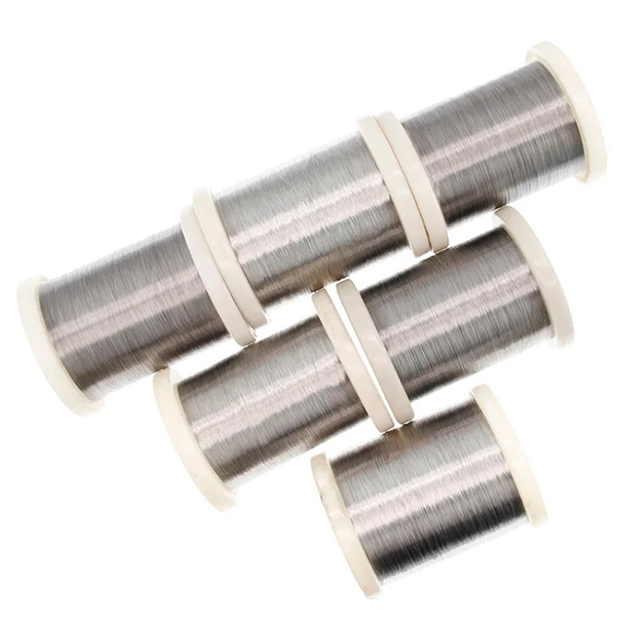
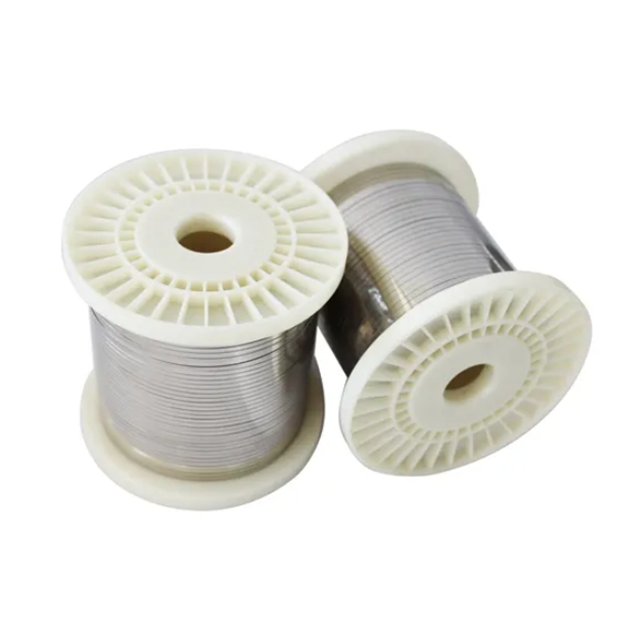
Leader Steel supplies Cr20Ni80 resistance alloy wire in different diameters and forms according to heating element design and resistance requirements.
Key Features
Cr20Ni80 / Ni80Cr20 / Nichrome 80 grade
High and stable electrical resistivity
Good oxidation resistance at elevated temperatures
Suitable for repeated heating and cooling cycles
Good ductility and wire-forming performance
Suitable for coils and resistance heating elements
Available in customized wire dimensions according to application requirements
The alloy composition is one of the main factors determining the electrical, thermal and mechanical performance of Nichrome 80 wire.
Element | Cr20Ni80 Composition |
|---|---|
C | ≤ 0.08% |
P | ≤ 0.023% |
S | ≤ 0.015% |
Mn | ≤ 0.60% |
Si | 0.75–1.60% |
Cr | 20.0–23.0% |
Ni | Balance |
Al | ≤ 0.50% |
Fe | ≤ 1.0% |
Other Elements | Trace amounts |
The high nickel content supports good high-temperature stability, while chromium contributes to oxidation resistance during electrical heating service.
Property | Typical Value |
Alloy Grade | Cr20Ni80 / Ni80Cr20 |
Alloy Type | Nickel-Chromium Resistance Alloy |
Electrical Resistivity at 20°C | Approx. 1.09 μΩ·m |
Maximum Service Temperature | Up to approx. 1200°C |
Density | Approx. 8.40 g/cm³ |
Melting Point | Approx. 1400°C |
Elongation | ≥20% |
Magnetic Property | Non-magnetic |
Values are typical reference data. Final properties may vary according to product dimensions, processing condition and applicable specification.
Cr20Ni80 combines relatively high electrical resistivity with good stability at elevated temperatures. When electric current passes through the wire, electrical resistance converts electrical energy into heat.
Its nickel-chromium composition makes the alloy suitable for heating elements that undergo repeated heating cycles. Compared with ordinary metallic wire, Cr20Ni80 is specifically designed to maintain more stable resistance and surface condition in electrical heating applications.
For engineers and heating element manufacturers, wire diameter, element length, operating temperature, surface load and atmosphere should all be considered when selecting the final wire specification.
Cr20Ni80 resistance heating wire can be used in a wide range of electrical heating equipment, including:
Industrial electric furnaces
Heat-treatment furnaces
Electric ovens
Tubular heating elements
Cartridge heaters
Coil heaters
Mica heating elements
Ceramic heaters
Laboratory heating equipment
Household electrical heating appliances
Resistance heating assemblies
The final alloy diameter and element configuration should be selected according to resistance, power, voltage and operating-temperature requirements.
Cr20Ni80 can be supplied in different product forms depending on the heating element design.
Common supply forms include:
Resistance wire
Heating wire coil
Straight wire
Strip
Coil
Customized resistance alloy products
Wire diameter and dimensional tolerances can be selected according to application requirements.
For quotation, customers can provide:
Required grade
Wire diameter
Required resistance or resistivity
Coil weight or order quantity
Operating temperature
Application
Applicable standard
Special dimensional or packaging requirements
The performance of resistance wire depends not only on alloy chemistry but also on wire drawing and heat-treatment control.
A typical Cr20Ni80 wire production process includes:
Raw Alloy Material → Multi-Pass Wire Drawing → Intermediate Annealing → Fine Wire Drawing → Protective-Atmosphere Annealing → Final Sizing → Surface Inspection → Electrical and Dimensional Testing → Coiling and Packaging
The alloy wire is progressively drawn through multiple dies until the required diameter is reached. Controlled multi-pass drawing helps achieve consistent wire dimensions and prepares the material for subsequent heat treatment.
After drawing, resistance wire can be annealed under a controlled protective atmosphere. This process helps reduce work hardening caused by drawing while improving ductility and maintaining a cleaner wire surface.
Proper drawing and annealing control are particularly important when the wire will later be wound into heating coils or formed into electrical heating elements.
Cr20Ni80 and Cr15Ni60 are both nickel-chromium resistance alloys, but their nickel and chromium contents differ.
Property | Cr20Ni80 | Cr15Ni60 |
Common Name | Ni80Cr20 / Nichrome 80 | Ni60Cr15 / Nichrome 60 |
Nickel Content | Higher | Lower |
Chromium Content | Approx. 20–23% | Approx. 15–18% |
Typical Resistivity | Approx. 1.09 μΩ·m | Approx. 1.12 μΩ·m |
Typical Maximum Service Temperature | Approx. 1200°C | Approx. 1150°C |
Typical Positioning | Higher-temperature resistance heating | General resistance heating |
Cr20Ni80 is generally selected when high-temperature stability and oxidation resistance are important, while Cr15Ni60 can be considered for applications with different cost and operating-temperature requirements.
Nichrome and FeCrAl alloys are both widely used for resistance heating, but their characteristics differ.
Cr20Ni80 offers good ductility, stable resistance characteristics and convenient coil-forming performance. FeCrAl alloys generally provide higher electrical resistivity and certain grades can operate at higher temperatures.
The appropriate material should therefore be selected according to:
Operating temperature
Furnace or heater atmosphere
Required resistance
Element geometry
Wire diameter
Mechanical loading
Heating cycle
Expected service conditions
For very high-temperature furnace applications, FeCrAl grades such as 0Cr25Al5, 0Cr21Al6Nb and 0Cr27Al7Mo2 may also be considered.
To maintain consistent resistance heating performance, key characteristics should be checked throughout production and before shipment.
Typical inspection items include:
Chemical composition
Wire diameter and dimensional tolerance
Electrical resistivity
Surface condition
Mechanical properties
Coil consistency
Product identification and traceability
Inspection requirements can also be arranged according to customer specifications and application requirements.
When selecting Cr20Ni80 resistance wire, wire diameter should not be chosen based only on maximum temperature.
The following information helps determine a suitable specification:
Supply voltage
Required heating power
Target element resistance
Operating temperature
Heating element length
Coil diameter
Furnace or heater atmosphere
Continuous or intermittent operation
Required wire diameter
Required quantity
Providing these parameters allows a more accurate match between alloy grade, wire diameter and heating element requirements.
Cr20Ni80 and Ni80Cr20 are commonly used naming conventions for nickel-chromium resistance alloys containing approximately 80% nickel and 20% chromium. Nichrome 80 and Nichrome 80/20 are also common commercial terms for this alloy family.
Typical electrical resistivity is approximately 1.09 μΩ·m at 20°C, although the final value can vary according to chemical composition, processing condition and applicable specification.
Typical reference data indicate a maximum service temperature of approximately 1200°C. Actual allowable element temperature depends on wire diameter, surface load, atmosphere, installation and heating-cycle conditions.
It is commonly used for electrical resistance heating elements such as furnace coils, tubular heaters, cartridge heaters, electric ovens, industrial heaters and other heating assemblies.
Yes. Wire diameter, coil form, packaging and other dimensional requirements can be supplied according to the heating element design and order requirements.