
loading
| Availability: | |
|---|---|
| Quantity: | |
Product | No. | Grade |
Fe-Cr | 1 | 1Cr12Al3 |
2 | 1Cr13Al4 | |
3 | 1Cr15Al5 | |
4 | 1Cr18Al3 | |
5 | 0Cr20Al3 | |
6 | 0Cr21Al4 | |
7 | 0Cr23Al5 | |
8 | 0Cr20Al6RE | |
9 | 0Cr25Al5 | |
10 | 0Cr21Al6 | |
11 | 0Cr21Al6Nb | |
12 | 0Cr24Al6RE | |
13 | 0Cr27Al7Mo2 | |
Ni-Cr | 14 | Cr20Ni80 |
15 | Cr20Ni80(Zr) | |
16 | Cr30Ni70 | |
17 | Cr15Ni60 | |
18 | Cr20Ni30 | |
19 | Cr20Ni35 |
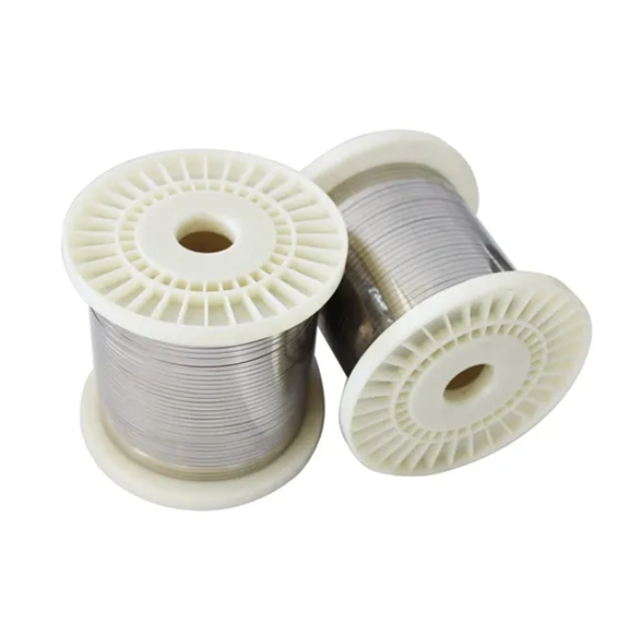
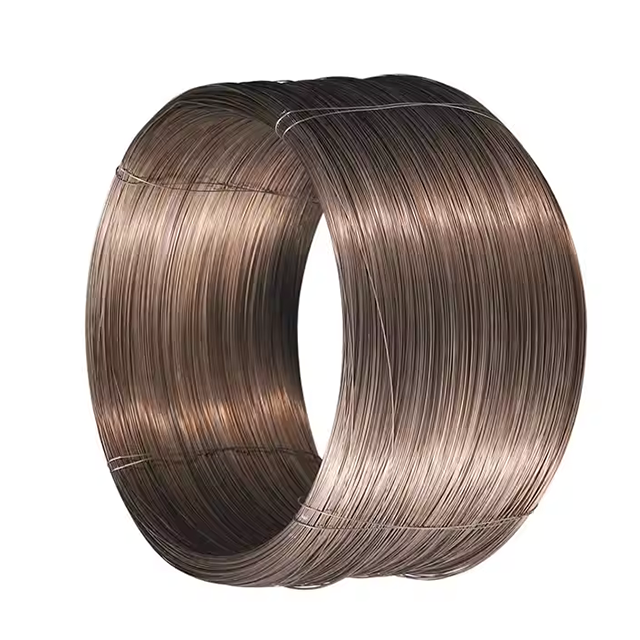
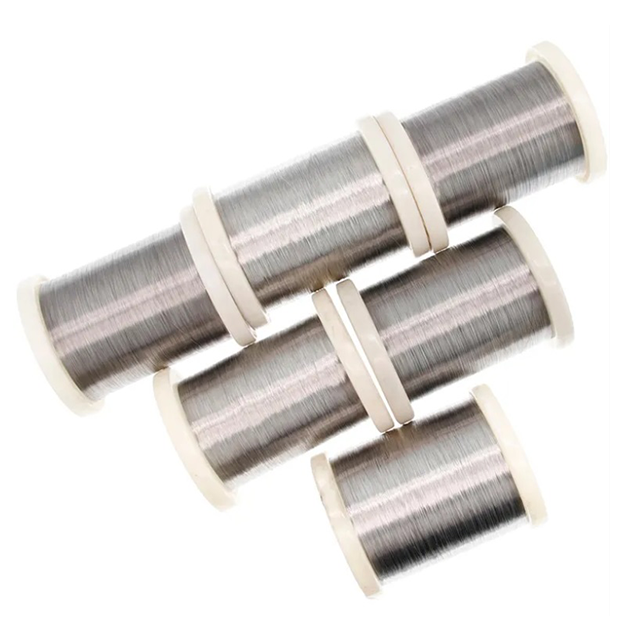
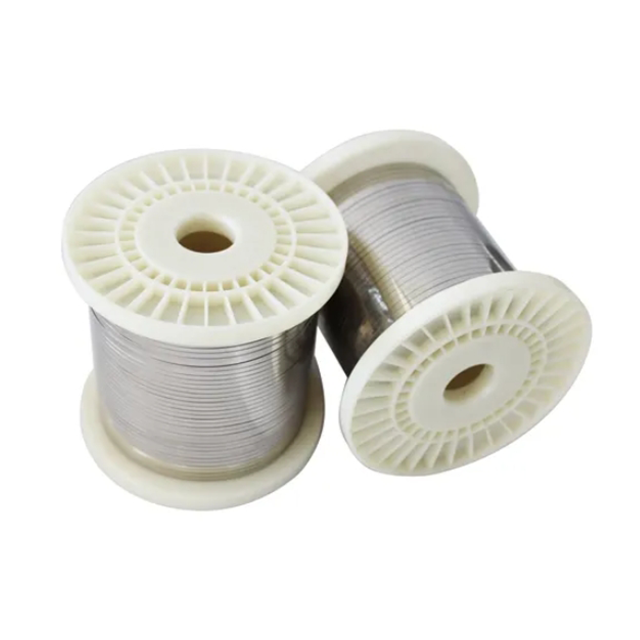
The 0Cr25Al5 iron-chromium-aluminum (Fe-Cr-Al) alloy resistance heating wire is a meticulously formulated electrothermal material engineered for intense thermal environments. By maintaining precise control over the chemical composition during the smelting process, this electrothermal grade guarantees exceptional batch-to-batch consistency. When handling the cold drawn wire on the production floor, operators will immediately notice its smooth, uniform metallic surface and rigid yet malleable tactile feedback. This consistent physical profile ensures that the foundational electrothermal properties remain stable across entire production runs. The strict metallurgical balance eliminates unexpected electrical resistance fluctuations, providing a reliable and predictable heat generation source for complex manufacturing requirements. During the unspooling process, the wire feeds with a consistent, quiet motion, free from the surface abrasions or kinks that typically cause binding in automated forming machinery.
Temperature regulation and sustained heat output are the most critical factors in industrial heating applications. The 0Cr25Al5 grade is specifically engineered to endure a maximum continuous working temperature of up to 1250℃, making it an indispensable component for high-temperature thermal processing. Beyond its operational range, the material features an exceptionally high melting point of 1500℃. This substantial thermal margin acts as a safeguard, preventing structural deformation, element sagging, or catastrophic failure even during prolonged, intensive heating cycles. When energized to its maximum continuous working temperature, the wire emits a steady, bright orange-white radiance, visually indicating its uniform heat distribution and the distinct absence of localized hot spots. As the alloy reaches its upper temperature limits, it maintains a stable electrical resistance curve, ensuring that the power output remains constant without drawing excessive current or overloading control systems.
Heating elements frequently operate in aggressive atmospheric conditions that accelerate material degradation. Upon initial heating, the 0Cr25Al5 alloy undergoes a critical transformative process, developing a dense, highly adherent aluminum oxide (alumina) scale across its exterior. This microscopic, matte-grey protective layer serves as an impenetrable barrier against further environmental attack. Beyond standard high-temperature oxidation resistance, this specific grade demonstrates exceptional immunity to sulfidation and carburization. When deployed in atmospheres heavily laden with sulfur compounds or carbon-rich gases—conditions common in metallurgical processing and chemical refining—the wire actively resists the pitting, scaling, and embrittlement that typically destroy lesser materials. This inherent chemical resilience translates directly into a significantly extended operational lifespan. By resisting atmospheric corrosion so effectively, the alloy drastically reduces maintenance downtime and minimizes the frequency of element replacement, ensuring continuous operation in the most demanding industrial environments.
To accommodate a wide spectrum of manufacturing equipment and element designs, the 0Cr25Al5 alloy is manufactured across an extensive range of physical dimensions. The available wire diameter spans from an ultra-fine 0.01mm, suitable for delicate precision instruments, up to a substantial 10mm gauge designed for heavy industrial furnaces.
The material's controlled ductility ensures it feeds predictably into automated coiling and bending machinery. It responds exceptionally well to mechanical stress, minimizing structural spring-back so that complex geometric shapes retain their exact tolerances long after the forming process is complete.
The unique combination of thermal endurance and physical workability makes the 0Cr25Al5 heating wire a foundational element across multiple heavy and light industrial sectors. It is extensively utilized in the construction of industrial electric furnaces, annealing ovens, and heat treatment equipment where sustained, even heat distribution is non-negotiable. In the ceramics industry, it powers kilns that require precise, repeatable temperature ramps, while in metallurgical machinery, it facilitates controlled melting and holding operations. Additionally, it serves as the core heating element in numerous commercial and domestic appliances, including high-capacity space heaters, toasters, and industrial dryers.
From a procurement and cost-efficiency perspective, this Fe-Cr-Al alloy presents a highly compelling economic advantage. Compared to traditional nickel-chromium (Ni-Cr) alternatives, the 0Cr25Al5 grade possesses a noticeably lighter specific gravity. Consequently, for any given weight of purchased material, buyers receive a significantly greater length of usable wire. This physical characteristic directly increases the yield of finished heating elements per spool, driving down the unit cost of production. Coupled with a highly competitive baseline price point—free from the intense market volatility frequently associated with nickel—this alloy elevates the overall cost-to-performance ratio for large-scale manufacturing. Procurement teams can optimize their material budgets effectively while consistently exceeding the strict thermal performance criteria demanded by their end-user markets.