Product Introduction
Cr20Ni30 is a nickel-chromium-iron resistance alloy developed for electrical heating elements and resistance components. With 30–34% nickel and 18–21% chromium, it provides high electrical resistivity, oxidation resistance, and good formability for industrial and household heating applications.
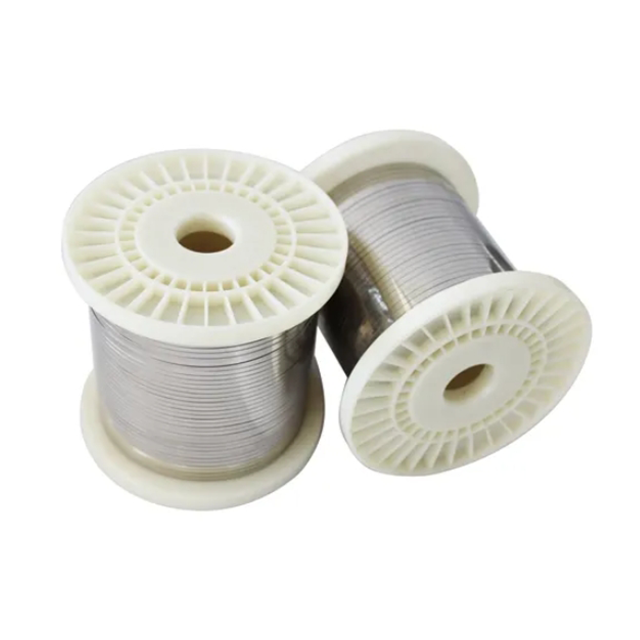
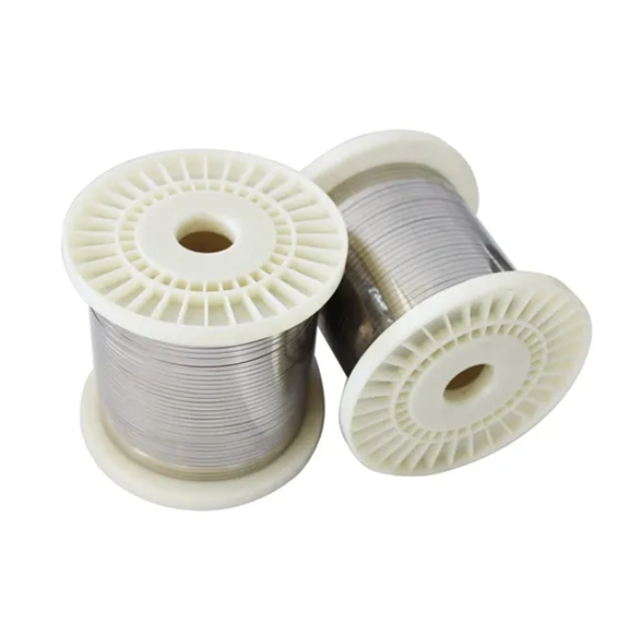
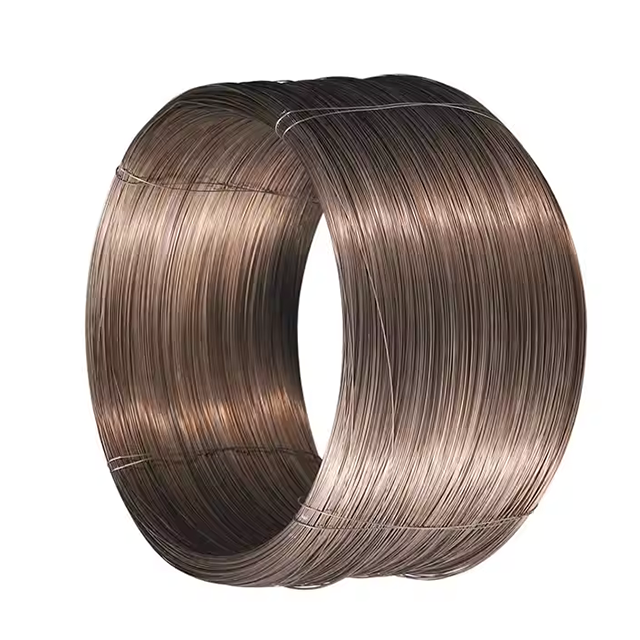
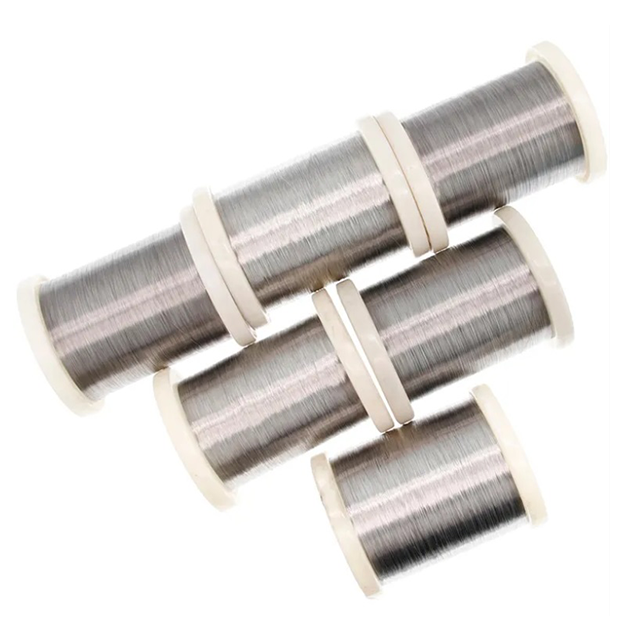
Its combination of electrical resistance and high-temperature performance makes Cr20Ni30 suitable for heating wires, resistance strips, furnace components, and other electrical resistance applications. The alloy can be supplied in different forms and dimensions according to the required design and manufacturing specifications.
Key Product Highlights
Maximum Service Temperature: 1100°C
Electrical Resistivity: 1.04 μΩ·m at 20°C
Alloy Composition: 30–34% Ni and 18–21% Cr
High-Temperature Oxidation Resistance: Suitable for compatible heating environments
Good Formability: Suitable for wire drawing, strip processing, and element fabrication
Flexible Specifications: Dimensions and delivery conditions can be discussed according to project requirements
Technical Data
Parameter |
Specification |
Alloy Grade |
Cr20Ni30 |
Alloy Family |
Nickel-Chromium-Iron Resistance Alloy |
Chromium (Cr) |
18–21% |
Nickel (Ni) |
30–34% |
Iron (Fe) |
Balance |
Maximum Service Temperature |
1100°C |
Approximate Melting Point |
1390°C |
Density |
7.90 g/cm³ |
Electrical Resistivity at 20°C |
1.04 μΩ·m |
Elongation |
≥20% |
Specific Heat Capacity |
0.500 J/(g·K) |
Thermal Conductivity |
43.8 kJ/(m·h·°C), catalog value |
Linear Expansion Coefficient |
19 × 10⁻⁶/°C, catalog value |
Microstructure |
Austenitic |
Product Forms |
Wire, strip, rod, and bar, subject to availability |
Technical values are based primarily on the supplied product catalog. Confirm applicable tolerances, test conditions, and product-specific availability before ordering.
Chemical Composition
Element |
Content (%) |
Carbon (C) |
≤0.08 |
Phosphorus (P) |
≤0.023 |
Sulfur (S) |
≤0.015 |
Manganese (Mn) |
≤1.00 |
Silicon (Si) |
1.00–3.00 |
Chromium (Cr) |
18.0–21.0 |
Nickel (Ni) |
30.0–34.0 |
Iron (Fe) |
Balance |
The nickel range shown above is consistent with the grade's performance table and multiple industry references. Because the supplied catalog contains an inconsistency between tables, the manufacturer should confirm the original chemical composition record before publication.
Electrical Heating Elements
Cr20Ni30 can be processed into resistance wire and strip for heating elements that require controlled electrical resistance. The final element design should account for operating temperature, electrical load, dimensions, and heat dissipation.
Industrial Furnaces and Heating Equipment
The alloy can be considered for compatible industrial heating equipment and furnace components operating within its specified temperature limits. Selection should account for furnace atmosphere, element geometry, and expected duty cycle.
Household Heating Appliances
Depending on the design and certification requirements, Cr20Ni30 may be used in heating components for household electrical appliances and related equipment.
Electrical Resistance Components
Its electrical resistance characteristics also make the alloy suitable for selected resistance components where thermal loading, mechanical strength, and dimensional requirements are appropriately controlled.
Resistance Wire
Suitable for coiled heating elements and other wire-based resistance components. Wire diameter, surface condition, and delivery state should be specified when requesting a quotation.
Resistance Strip
Suitable for flat heating elements and applications requiring controlled strip thickness and width. Final dimensions depend on production capability and the customer's design.
Rod and Bar
May be considered for compatible resistance components and custom fabrication projects. Available grades, dimensions, and machining requirements should be confirmed with the manufacturer.
Typical Manufacturing and Quality Control
The manufacturing route depends on the required product form and delivery condition. A typical process for nickel-chromium resistance alloy products includes:
Raw Material Preparation: Select alloying materials according to the required grade and composition.
Melting and Composition Control: Melt and refine the alloy using the applicable production process.
Casting and Hot Working: Prepare intermediate stock for further forming operations.
Drawing or Rolling: Produce wire, strip, or other required product forms and control dimensions.
Heat Treatment and Finishing: Apply suitable processing and surface finishing where required.
Final Inspection: Check applicable chemical composition, dimensions, electrical resistivity, and surface quality before packaging.
Quality verification may include chemical analysis, dimensional measurement, electrical resistivity testing, mechanical testing, and batch identification, depending on the purchase specification.
This is a typical industry process description, not a confirmed statement of the manufacturer's exact production sequence.
Cr20Ni30 vs. Cr20Ni35
Parameter |
Cr20Ni30 |
Cr20Ni35 |
Nickel Content |
30–34% |
34–37% |
Chromium Content |
18–21% |
18–21% |
Maximum Service Temperature |
1100°C |
1100°C |
Melting Point |
Approx. 1390°C |
Approx. 1390°C |
Density |
7.90 g/cm³ |
7.90 g/cm³ |
Electrical Resistivity at 20°C |
1.04 μΩ·m |
1.00 μΩ·m |
These values follow the supplied catalog. Actual electrical resistivity tolerances and chemical composition should be confirmed against the manufacturer's current technical documentation.
Frequently Asked Questions
What is Cr20Ni30 alloy?
Cr20Ni30 is a nickel-chromium-iron resistance alloy used in electrical heating elements and selected resistance components. Its principal alloying elements are chromium and nickel, with iron making up the balance.
What is the maximum service temperature of Cr20Ni30?
The supplied catalog lists a maximum service temperature of 1100°C. Actual operating limits depend on the element design, atmosphere, electrical loading, and service conditions.
What is the electrical resistivity of Cr20Ni30?
The catalog lists an electrical resistivity of 1.04 μΩ·m at 20°C. Confirm the applicable tolerance and test method when establishing a purchasing specification.
Wire and strip are common forms for heating element manufacturing. Rod and bar may also be available, subject to the manufacturer's actual production range and order requirements.
Provide the alloy grade, product form, dimensions, quantity, required delivery condition, operating temperature, application, and any applicable inspection or certification requirements.