loading
| Availability: | |
|---|---|
| Quantity: | |
Designed for securing refractory castables and linings in furnaces, boilers, kilns, ducts, and other high-temperature equipment
S type or waved geometry increases holding interaction between the anchor and the refractory body
Suitable for projects where lining stability, crack control, and long-term anchoring performance are critical
Manufactured in 304, 310S, 321, 2520, and other heat-resistant stainless steel grades
Helps reduce lining loosening, separation, and premature maintenance in thermal service environments
Available in customized sizes, shapes, and fabrication details based on drawings or working conditions
Applicable to castable linings, refractory cement hanging structures, furnace linings, and boiler flue lining systems
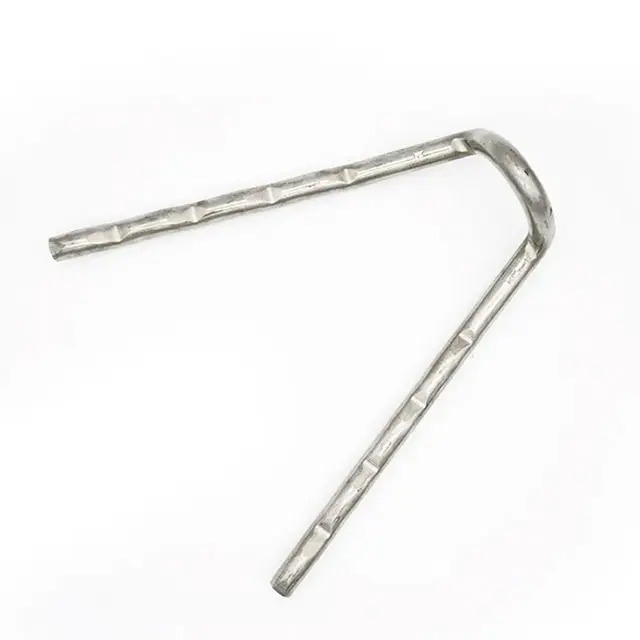
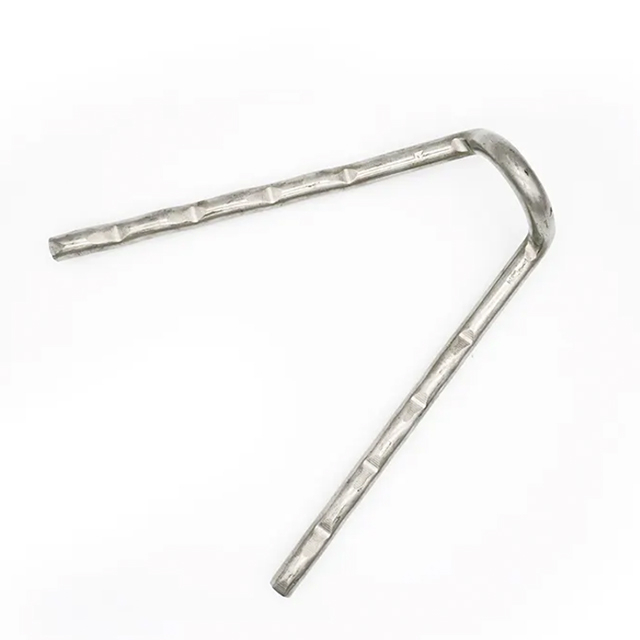
S Type / Waved Refractory Anchor is a formed metal anchoring component used to retain refractory linings inside high-temperature units where mechanical stability and thermal durability must be maintained over long operating cycles. In lining systems exposed to heat fluctuation, vibration, gas flow impact, and mechanical stress, the anchor design has a direct influence on refractory retention performance. The anchor is not merely a support part behind the castable. It is one of the key factors that determines whether the lining remains stable, cracks prematurely, or requires early repair.
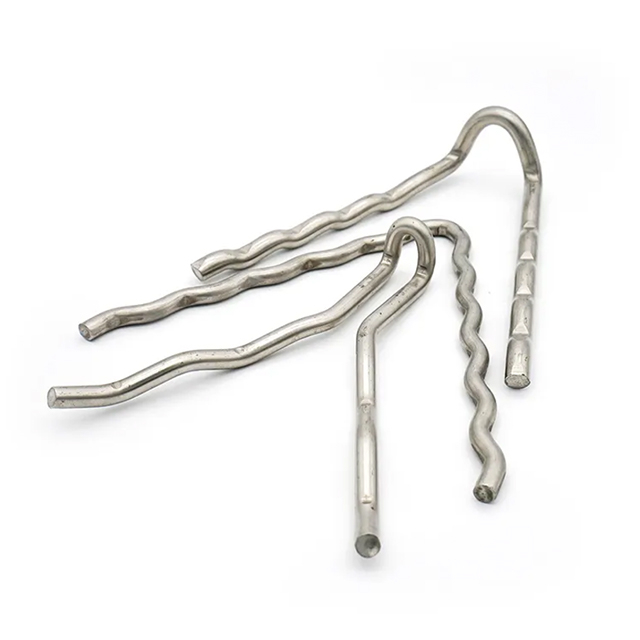
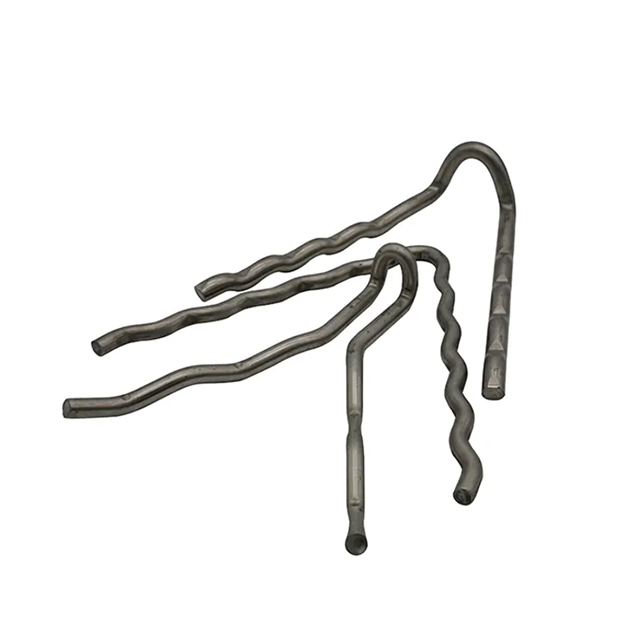
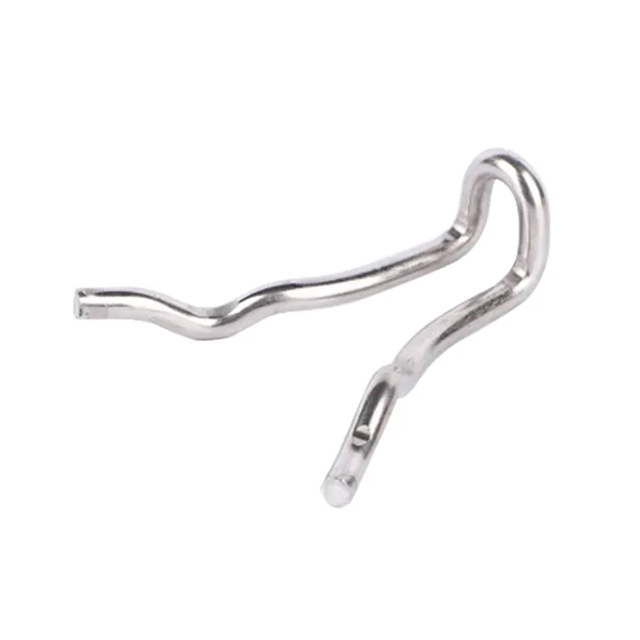
Compared with more basic anchoring shapes, the S type or waved profile provides a formed geometry that increases anchoring interaction with the refractory mass. This can be beneficial in applications where better grip, improved contact behavior, or more distributed anchoring action is required. In practical terms, a properly selected waved anchor helps reduce localized movement inside the lining, lowers the risk of detachment, and supports more consistent refractory behavior during temperature cycling.
This product is especially useful in thermal equipment where refractory failure can interrupt production, increase repair cost, and shorten service intervals. When material grade, wire size, and formed profile are properly matched to the equipment condition, the anchor becomes an effective solution for improving lining service stability and reducing the operational problems that often originate from anchor mismatch rather than from the castable itself.
Item | Specification |
|---|---|
Product Name | S Type / Waved Refractory Anchor |
Current Page Reference Name | Heat-Resistant Refractory Anchor V Y T S Anchors Made of 304/310S Stainless Steel for Furnace and Boiler |
Product Category | Refractory Anchor |
Shape | S Type / Waved Type |
Main Function | Securing refractory linings and castables |
Material Options | 304, 321, 2520, 310S stainless steel, heat-resistant steel, customized grades |
Key Grade Highlight | 304 / 310S Stainless Steel |
Application Equipment | Furnace, boiler, rotary kiln, flue, high-temperature industrial equipment |
Service Conditions | Static load, thermal stress, vibration, mechanical movement |
Manufacturing Method | Formed / fabricated / custom made |
Size | Customized |
Custom Manufacturing | Available |
The S type or waved form is valuable because the geometry is not flat or overly simple. The shaped profile improves how the anchor interacts with the refractory body after installation. This helps the lining remain more stable under thermal cycling, vibration, and expansion stress.
Why this matters:
reduces the chance of refractory separation from the shell
improves anchoring effect inside castables and refractory cement
supports more even restraint across the lining body
helps reduce local weak spots that may lead to cracking or dropping
In boilers, furnaces, and kilns, refractory damage often starts with hidden instability behind the lining. A better-matched anchor helps improve the overall reliability of the refractory system rather than only adding metal support.
Operational value:
less unexpected lining movement
fewer anchor-related repair points
more predictable maintenance intervals
better continuity in high-temperature operation
When equipment experiences repeated startup, shutdown, or fluctuating heat load, the lining is constantly stressed. A waved anchor design helps support castable retention in these dynamic conditions.
Typical benefits:
stronger resistance to thermal stress influence
better stability during repeated expansion and contraction
improved support in areas exposed to mechanical vibration or flue turbulence
Material selection should be based on service condition, not only on price or availability. In refractory anchor applications, the wrong material may oxidize too quickly, soften under heat, distort in service, or shorten refractory life. The anchor shape matters, but alloy choice determines whether the anchor can keep performing through the actual temperature range and atmosphere inside the equipment.
304 stainless steel: widely used in many standard high-temperature lining systems
321 stainless steel: selected for certain elevated-temperature environments requiring improved stability
2520 / 310S stainless steel: preferred where higher heat resistance is needed
Other heat-resistant steel grades: available according to equipment duty and operating environment
Material should be selected based on:
operating temperature
oxidizing or corrosive atmosphere
equipment type
lining density and thickness
expected maintenance cycle
thermal cycling frequency
For more demanding thermal service, 310S is often the stronger choice because it provides better heat resistance than many general-purpose stainless grades. This makes it suitable for furnace zones, boiler lining systems, and similar high-temperature conditions where anchor life directly affects refractory life.
Anchor performance is closely related to actual geometry. Even if the correct alloy is chosen, an anchor with the wrong height, wrong wire diameter, or unsuitable waved form may not provide the expected retention effect. That is why custom fabrication is not an extra feature in this product category. It is often necessary for proper installation and long-term performance.
wire diameter
total length
wave height and form
leg spacing
material grade
welding end style
fabrication according to drawing or sample
helps match anchor height to lining thickness
reduces site adjustment and installation inconsistency
improves anchoring layout for different shell structures
supports project-specific requirements instead of forcing a generic size
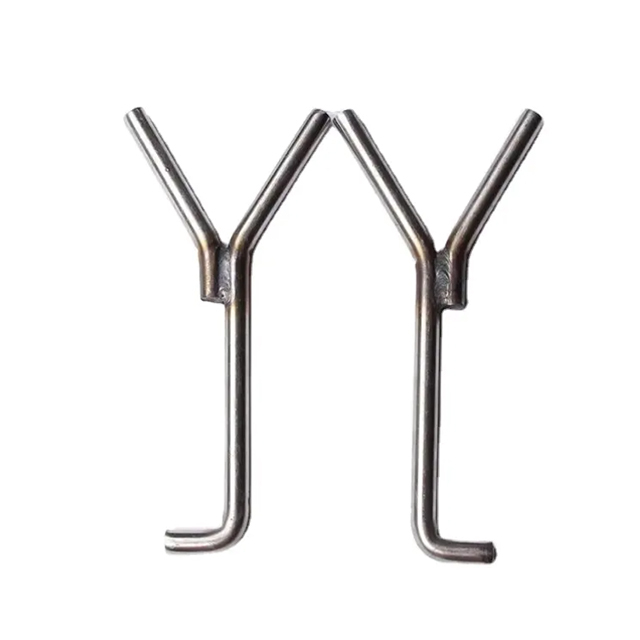
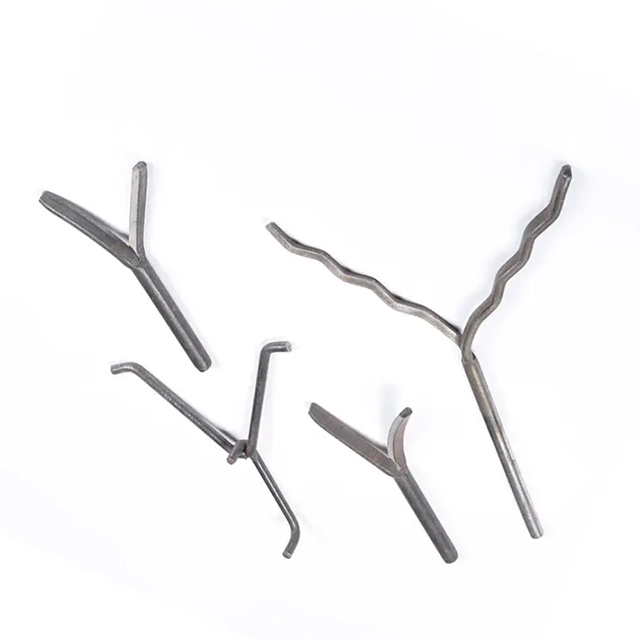
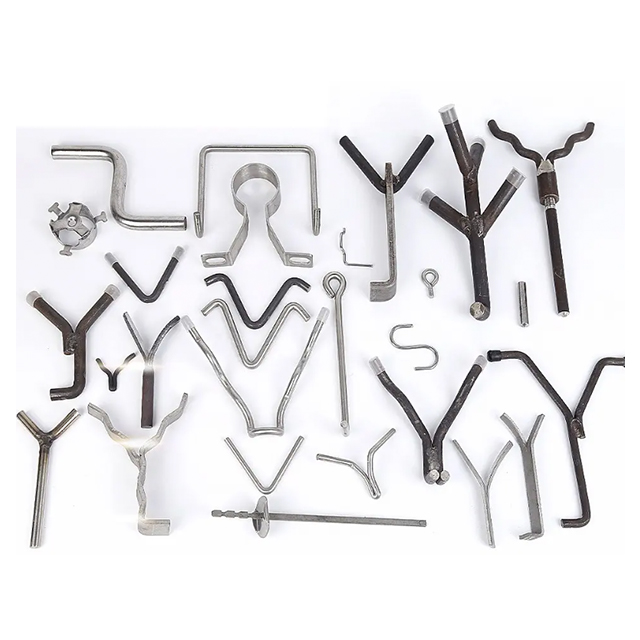
Because the current product page groups V, Y, T, and S anchors together, this page should also reflect that the S type/waved anchor is part of a broader formed-anchor solution family. That makes it easier for customers to understand that shape selection can be aligned with lining structure and service condition.
S Type / Waved Refractory Anchors are used in thermal equipment where refractory stability is essential for operational continuity. The product is particularly suitable where the lining must stay securely retained despite heat fluctuation, vibration, flue movement, or long-term service exposure.
industrial furnaces
power plant boiler flues
boiler castable lining zones
rotary kilns
refractory cement hanging structures
kiln wall and roof lining systems
ducts and thermal chambers
heat-processing equipment with castable or monolithic lining
formed geometry improves contact with the refractory body
helps reduce lining drop in vibration-prone zones
supports stable lining retention under thermal shock
useful where lining service life and maintenance interval must be improved
A stable anchor system helps protect the lining investment. It reduces premature local damage, supports safer operation, and lowers the likelihood of avoidable shutdown caused by anchor or lining instability.
We do not treat refractory anchors as standard bent wire only. We match anchor shape, material, and fabrication logic to the working condition of the lining system.
We can supply formed refractory anchors in different stainless steel and heat-resistant grades, with shape variations suited to real furnace and boiler applications.
Drawings, dimensions, and service requirements can be translated into manufacturable anchor solutions that fit the project rather than forcing the project to fit a standard anchor.
A properly selected S type or waved anchor can help reduce lining instability, lower maintenance frequency, and support longer refractory service life in demanding temperature environments.
Because many projects use multiple anchor styles in the same system, we understand the importance of consistent supply across V, Y, T, S, and waved anchor families.
It is used to secure refractory castables and lining materials inside furnaces, boilers, kilns, and related high-temperature equipment where stable refractory retention is required.
The waved form can improve the interaction between the anchor and the refractory body, helping reduce lining movement and improve anchoring stability in service.
That depends on service temperature and operating condition. 304 is suitable for many general applications, while 310S is more suitable for higher-temperature environments.
Yes. Size, material, formed profile, and fabrication details can be customized according to drawings, samples, and installation requirements.
Yes. It is commonly used in boilers, furnace linings, flues, rotary kilns, and other high-temperature lining structures.