loading
| Availability: | |
|---|---|
| Quantity: | |
Designed to secure castable and refractory linings in high-temperature equipment
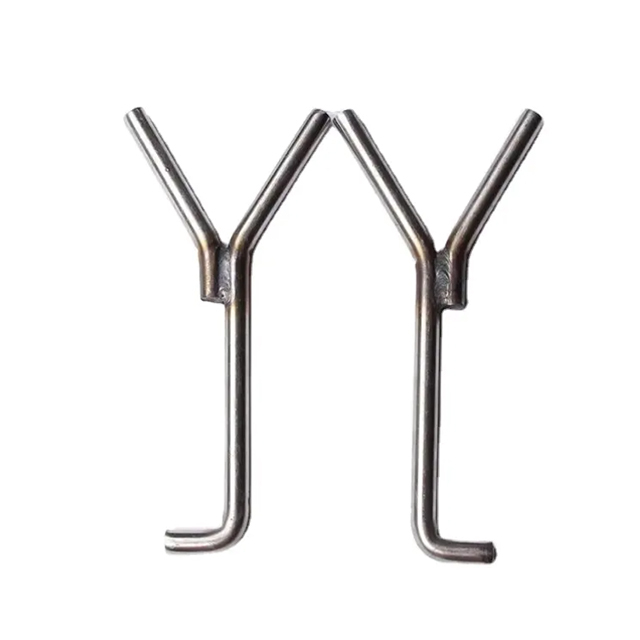
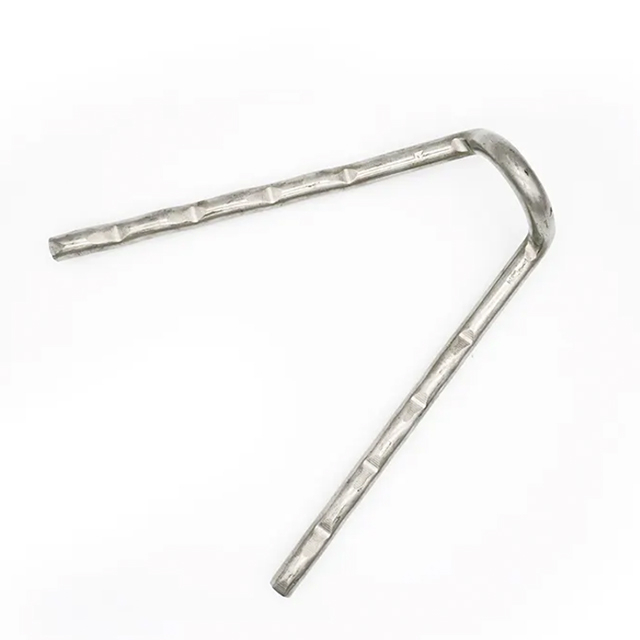
V-shaped structure provides stable anchoring support for refractory systems exposed to heat, stress, and vibration
Suitable for furnaces, kilns, boilers, ducts, incinerators, and rotary thermal units
Available in stainless steel and heat-resistant alloy grades for different service temperatures
Commonly used where refractory retention and lining durability directly affect shutdown frequency and maintenance cost
Custom sizes, wire diameters, and fabrication details are available to match project drawings and service conditions
Helps improve lining stability, reduce local failure risk, and support longer operating cycles
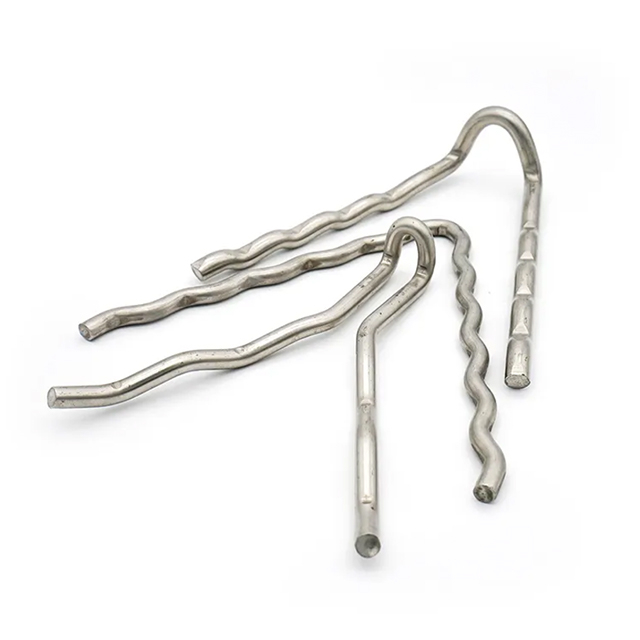
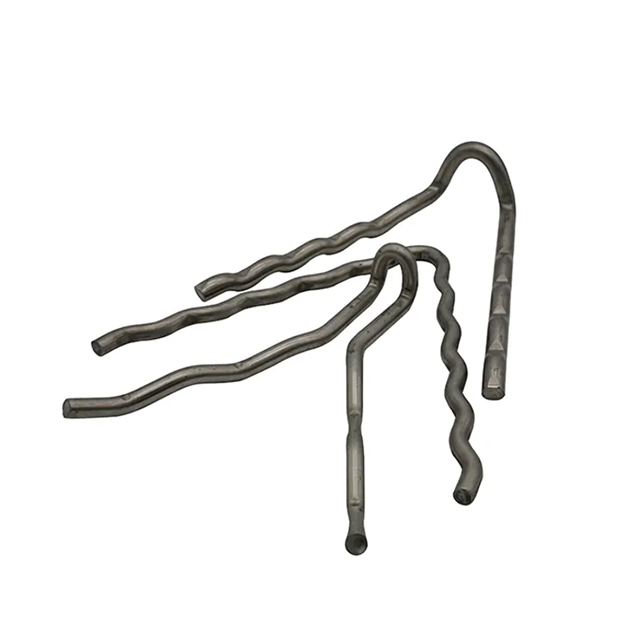
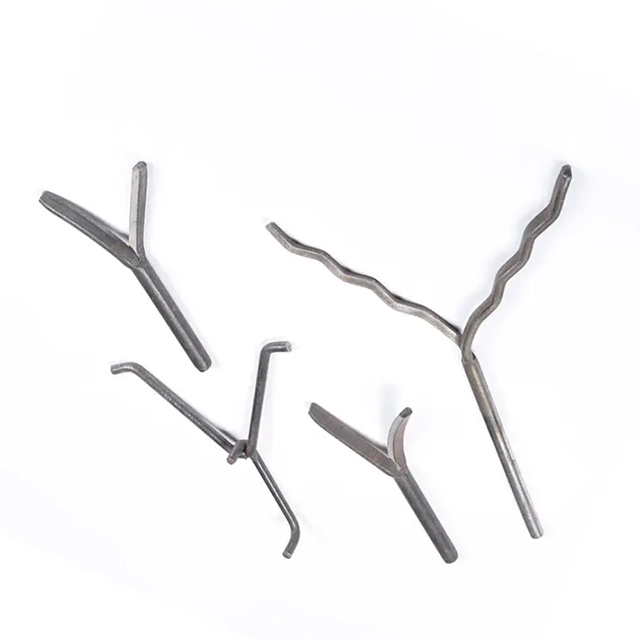
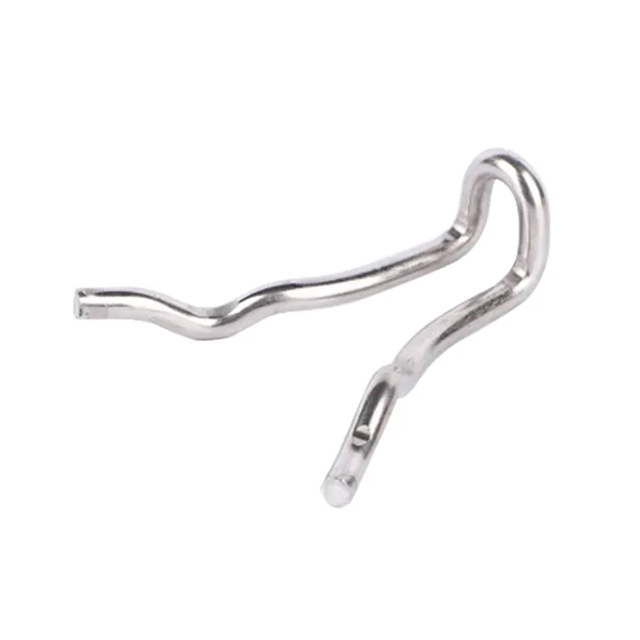
V Type Refractory Anchor is a heat-resistant metal anchoring component used to hold refractory castables and lining materials securely against the equipment shell or steel structure. In high-temperature service, the performance of the refractory lining depends not only on the castable itself, but also on the reliability of the anchor system behind it. If the anchor design is poorly matched to the temperature zone or lining thickness, the refractory may crack, separate, shift, or fail earlier than expected.
The V-shaped design is widely used because it offers a practical balance between structural support, fabrication efficiency, and installation adaptability. It helps the lining stay bonded and supported during temperature fluctuation, process vibration, thermal expansion, and long service exposure. This matters in real operating environments where a failed anchor system can lead to localized refractory loss, repair downtime, and interruption to thermal process stability.
For customers, the real value of a V Type Refractory Anchor is not simply that it holds castable in place. It helps protect the refractory investment, supports more predictable maintenance intervals, and reduces the risk of unexpected lining damage in critical hot zones. When produced in the correct alloy and dimensions, it becomes an important part of overall furnace, kiln, or boiler reliability.
This product can be supplied in standard or custom-made configurations according to lining design, temperature range, installation method, and equipment geometry.
Item | Specification |
|---|---|
Product Name | V Type Refractory Anchor |
Current Page Reference Name | 310S Industrial Anchor Type V Round Pattern Refractory Stainless Steel for Castables |
Product Type | Refractory Anchor / Furnace Anchor / Castable Anchor |
Shape | V Type / V Shape / Round Pattern |
Main Function | Securing refractory castables and linings |
Common Materials | 304, 321, 310S, 2520, heat-resistant steel, stainless steel, customized grades |
Grade Focus for This Page | 310S Stainless Steel |
Diameter | Customized |
Length | Customized |
Fabrication Method | Wire formed / welded / fabricated to drawing |
Application | Furnaces, kilns, boilers, rotary kilns, boiler flues, refractory lining systems |
Performance Conditions | Static load, thermal stress, vibration, mechanical movement |
Custom Manufacturing | Available |
Designed for refractory zones where anchor failure can lead to lining detachment or early repair
Helps maintain castable stability under repeated heating and cooling cycles
Supports safer and more consistent operation in demanding thermal equipment
The V configuration is widely used because it provides dependable holding support without unnecessary complexity
Suitable for many castable lining designs where balanced anchoring and installation efficiency are both important
Helps reduce movement inside the refractory mass during thermal expansion and operating vibration
310S is preferred in higher temperature environments where standard stainless grades may be less suitable
Material can be selected according to service temperature, atmosphere, and corrosion exposure
This allows the anchor system to be matched to actual working conditions rather than using an overgeneralized solution
Diameter, length, shape details, and production method can be adjusted
Easier to fit different lining thicknesses and shell designs
Helps reduce site rework and installation mismatch
Material selection is one of the most important technical decisions in refractory anchor supply. The anchor is buried behind or within the lining, but its long-term performance directly affects how well the refractory stays attached to the shell. If the wrong material is used, the anchor may oxidize too quickly, lose strength, distort under temperature, or shorten the service life of the lining system.
For this product page, 310S stainless steel is the most prominent grade and should remain a key selling point. It is widely chosen for elevated-temperature refractory applications because it offers stronger heat resistance than many general stainless grades. For less demanding service conditions, other options such as 304 or 321 may also be used. In more specialized environments, higher-performance materials can be discussed according to working temperature, gas composition, corrosion conditions, and required maintenance interval.
Common selection factors include:
operating temperature range
thermal cycling frequency
oxidizing or corrosive atmosphere
refractory thickness and density
installation layout
expected service life
A better material match leads to better lining retention, fewer anchor-related failures, and more stable performance in long-duration thermal service.
A refractory anchor performs well only when its dimensions fit the refractory design. Shape alone is not enough. Diameter, overall height, leg opening, welding end design, and layout spacing all influence how the anchor behaves once the equipment reaches operating temperature. That is why custom fabrication is not an added feature for this product; it is often a practical requirement.
This V Type Refractory Anchor can be produced according to:
project drawings
sample dimensions
lining thickness
shell structure
welding preference
operating temperature zone
Custom fabrication helps solve several practical problems. It improves fit with the steel casing, reduces unnecessary on-site adjustment, and supports more consistent anchor distribution across the lining area. In maintenance-sensitive thermal equipment, this can improve installation quality and reduce weak points that often lead to premature refractory damage.
For customers handling new construction, retrofits, or lining replacement, dimensional accuracy matters because anchor geometry directly affects refractory retention efficiency and long-term lining behavior.
V Type Refractory Anchors are used in a wide range of high-temperature industrial systems where castable or monolithic linings must remain secure under heat and mechanical stress.
industrial furnaces
rotary kilns
boilers and boiler flues
incinerators
ducts and thermal chambers
petrochemical heaters
cement process equipment
steel plant thermal units
power generation equipment
to hold castables securely against the shell
to reduce lining shift in zones exposed to vibration and thermal cycling
to improve refractory reliability in process-critical hot areas
to support longer maintenance intervals and more stable thermal operation
In these industries, the anchor is a small component with a large operational effect. A reliable anchor system helps keep the lining system intact, which in turn helps protect equipment uptime, temperature efficiency, and overall process consistency.
Focused on refractory anchoring applications
We position the product based on service conditions, not only by generic shape name.
Custom production support
Anchors can be manufactured according to drawings, dimensions, and actual installation requirements.
Heat-resistant material options
From standard stainless grades to higher-temperature alloys, material selection can be aligned with the application.
Practical manufacturing flexibility
We support different sizes, diameters, and fabricated forms for furnace, kiln, and boiler projects.
Better value through service life performance
A well-matched anchor helps reduce lining failures, repair frequency, and thermal process interruptions.
Clear product suitability for castable systems
This product is especially suitable for refractory castables where secure retention and thermal durability are critical.
It is used to secure refractory castables and linings inside furnaces, kilns, boilers, and similar high-temperature equipment.
310S offers stronger heat resistance than many general stainless steel grades, making it suitable for elevated-temperature refractory service.
Yes. Diameter, length, and fabrication details can be produced according to drawings or application requirements.
It is mainly used in castable and monolithic lining systems, but the exact suitability depends on the lining design and installation method.
The main factors are operating temperature, refractory thickness, atmosphere, vibration, and service life requirement.