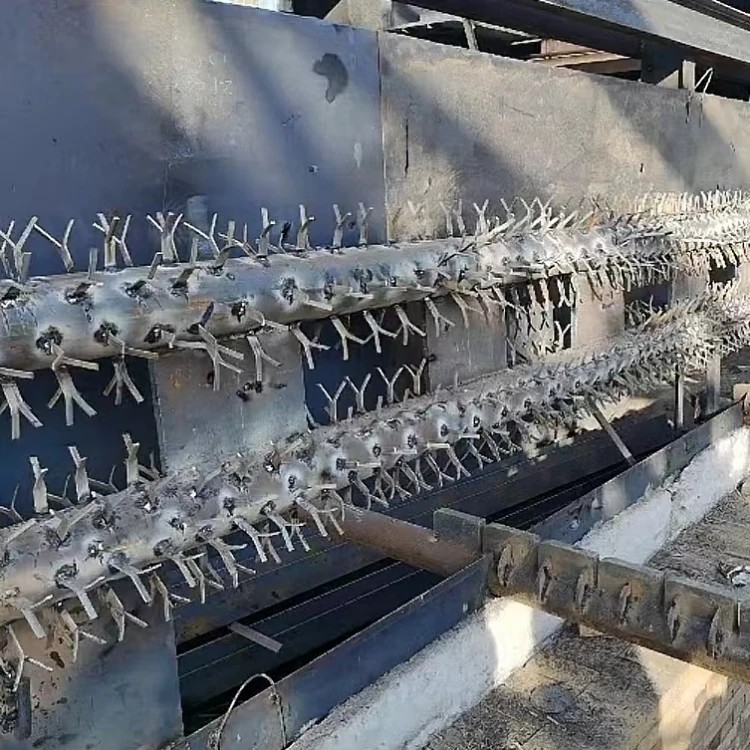
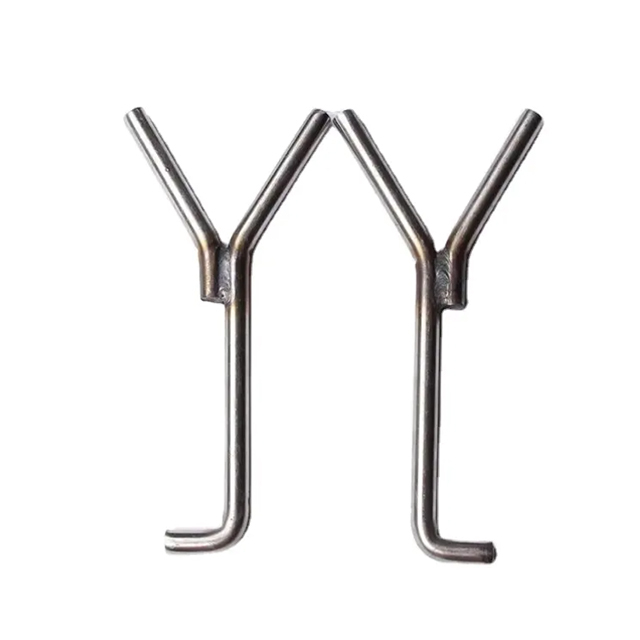
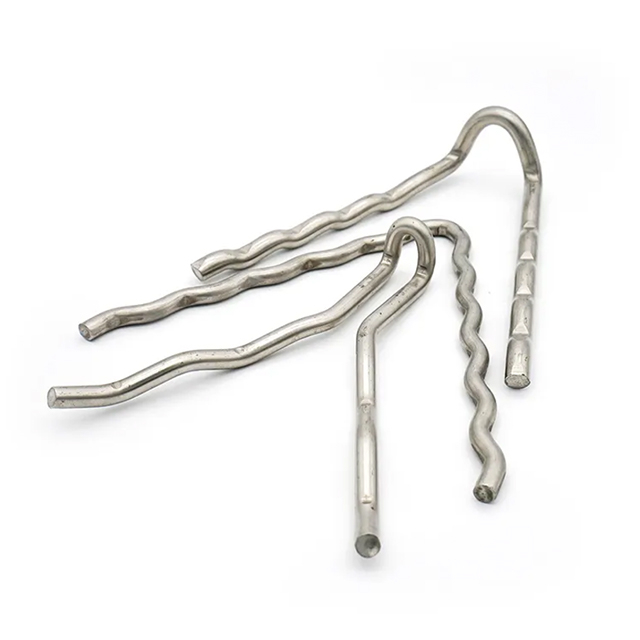
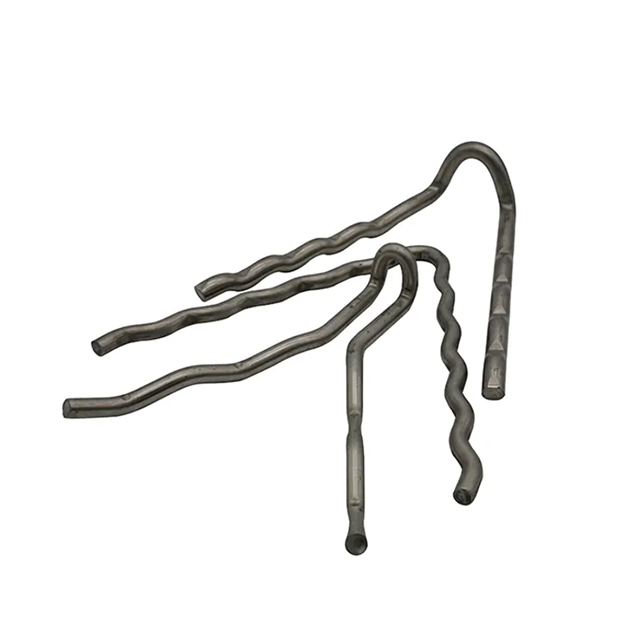
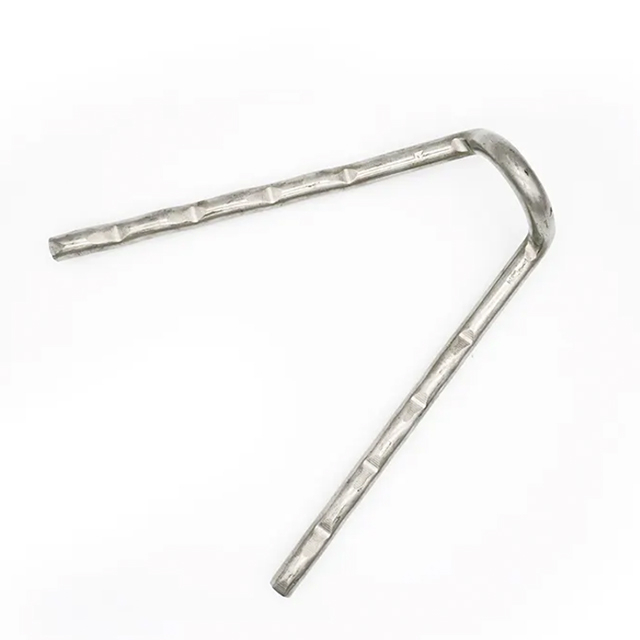
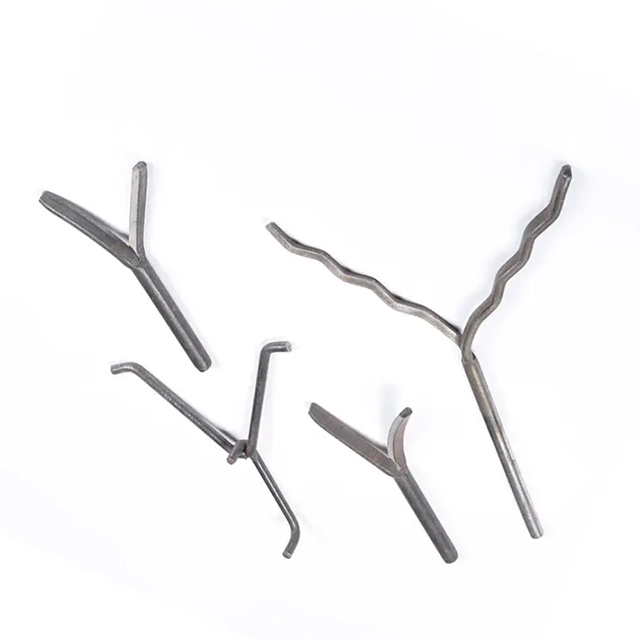
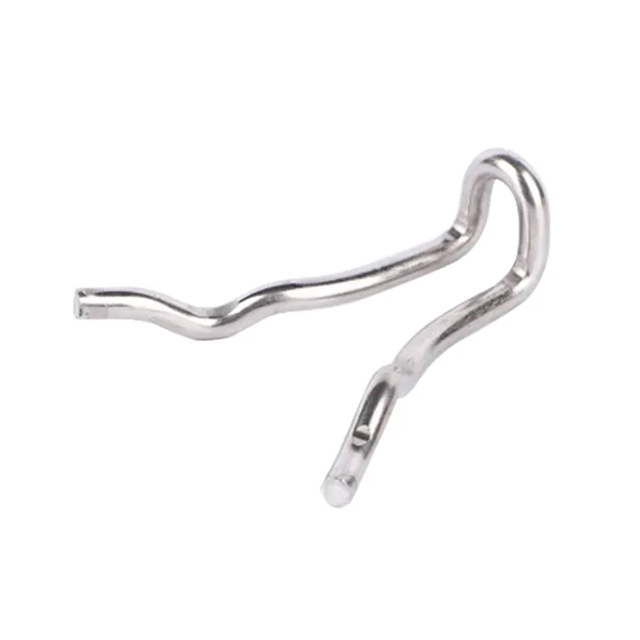
Y Type Refractory Anchor is a heat-resistant metal anchoring component used to hold refractory lining systems securely in place inside high-temperature equipment. In service, the anchor is not just a metal support part. It directly affects lining retention, shutdown frequency, repair cost, and the long-term operating stability of the unit.
Compared with simpler anchor shapes, the Y configuration offers more balanced support inside thicker refractory linings. This is especially useful where the lining must withstand temperature fluctuation, vibration, gas flow impact, or repeated thermal cycling. A properly selected Y anchor helps the refractory body stay in position, reduces the risk of local separation, and improves the structural reliability of the hot-face system.
For end users, the value is practical and measurable. A stable anchor system helps reduce lining failure, lowers unplanned repair work, and supports more consistent production conditions. Whether the lining is used in a furnace roof, wall, duct, cyclone, kiln section, or boiler zone, the right Y anchor geometry and material grade help protect the refractory investment and extend service intervals.
This product can be supplied in standard or custom-made configurations to match different lining thicknesses, installation layouts, welding requirements, and temperature demands.
Item | Specification |
|---|---|
Product Name | Y Type Refractory Anchor |
Shape | Y Shape |
Product Type | Refractory Anchor / Furnace Anchor |
Main Function | Securing refractory linings and castables |
Common Materials | SS 304, SS 310, SS 316, 321, 253MA, Inconel, RA330 or as required |
Length | Customized |
Diameter / Thickness | Customized |
Manufacturing Method | Wire formed, welded, fabricated to drawing |
Surface Condition | As fabricated / pickled / cleaned on request |
Application Temperature | Depends on selected material grade |
Installation Method | Welded to steel shell or structure |
Typical Use Areas | Furnaces, kilns, boilers, ducts, incinerators, heaters |
Customization | Available by drawing, sample, or working condition |
Y-type geometry provides more central holding support than simpler shapes
Helps maintain refractory position in thicker castable constructions
Reduces the chance of lining drop, local detachment, or uneven settlement
Suitable for units exposed to repeated heat-up and cool-down conditions
Helps accommodate operating stress more effectively when matched with the correct material grade
Supports lining integrity in zones affected by vibration and thermal shock
Material can be chosen according to temperature, atmosphere, corrosion risk, and service life target
Stainless steel grades fit many standard furnace applications
Heat-resistant alloys are available for more severe thermal or chemical environments
Length, leg spacing, wire diameter, tip style, and welding form can be adjusted
Easier to match actual shell design and refractory thickness
Reduces installation mismatch and improves anchor layout efficiency
Selecting the correct alloy is one of the most important decisions for refractory anchor performance. A Y anchor is exposed to both mechanical duty and thermal duty. If the alloy is under-specified, oxidation, distortion, scaling, or premature weakening can shorten lining life. If the alloy is correctly selected, the anchor system remains stable longer and helps the lining perform as intended.
Common options include:
304 Stainless Steel: suitable for many general high-temperature lining systems where the temperature and atmosphere are moderate
310 / 310S Stainless Steel: preferred for higher temperature duty and better heat resistance
316 Stainless Steel: useful where corrosion resistance is also a consideration
321 Stainless Steel: selected in certain elevated-temperature applications requiring improved stability
253MA / RA330 / Inconel grades: used for more severe service environments where temperature, oxidation, or process conditions are more demanding
Material choice should be based on:
service temperature
atmosphere composition
refractory type
lining thickness
process cycling frequency
expected maintenance interval
No single anchor size fits every refractory project. Effective anchoring depends on lining design, shell configuration, expansion requirements, and installation practice. For that reason, this product is best supplied with dimensional flexibility rather than as a rigid one-size-only item.
Custom options can include:
wire diameter or flat thickness
overall height and leg length
center leg geometry
weld end style
tip arrangement
spacing recommendation support
production according to drawing or sample
This flexibility helps solve practical issues during project execution. It can reduce site modification, shorten installation time, and improve consistency between anchor layout and refractory design. For plants that run under heavy cycling or high-abrasion conditions, custom fabrication also helps optimize anchor distribution and reduce weak points inside the lining system.
Y Type Refractory Anchors are widely used in thermal processing and heat containment equipment where refractory linings must remain secure over long operating periods.
industrial furnaces
reheating furnaces
boilers and boiler ducts
rotary kilns
petrochemical heaters
incinerators
cement plants
steel plants
power generation units
heat treatment equipment
helps keep castable or monolithic lining attached to the shell
supports lining in areas exposed to vibration or gas turbulence
reduces localized collapse risk in thicker refractory sections
helps maintenance teams achieve more predictable service intervals
Anchor performance depends not only on the anchor itself, but also on layout and installation quality. A stronger alloy cannot compensate for poor spacing or incorrect positioning. In practice, anchor arrangement should match lining thickness, service severity, and equipment geometry.
Important considerations include:
closer spacing for severe vibration, abrasion, cyclic temperature change, or physical abuse
wider spacing only where lining stress is lower and the design allows it
correct weld attachment to the steel shell
allowance for refractory expansion and contraction
matching anchor height to lining depth and working zone
A good anchoring plan improves both refractory retention and maintenance economy. It helps avoid over-design in low-stress areas while protecting critical hot zones where lining failure would be expensive.
Application-oriented production: we do not treat refractory anchors as generic hardware; we match shape and grade to service condition
Custom manufacturing support: drawings, samples, and project-based dimensions are accepted
Wide alloy capability: from common stainless steel to heat-resistant materials for higher duty environments
Stable quality control: dimensional consistency matters because anchor layout must remain predictable during installation
Industrial product background: suitable for furnace, boiler, and thermal equipment supply chains
Clear communication: easier technical confirmation on shape, material, and fabrication details before production
A Y type anchor provides better central support in thicker refractory linings. It helps improve load distribution and lining retention compared with simpler forms in many castable applications.
That depends on service temperature, atmosphere, corrosion level, and required service life. 304 and 316 are common starting points, while 310S, 253MA, RA330, or Inconel are better for more severe conditions.
Yes. Custom fabrication is available based on drawing, sample, lining thickness, and installation requirement.
No. They are also used in boilers, ducts, kilns, petrochemical heaters, incinerators, and other high-temperature lined equipment.
Yes. Incorrect height, spacing, or material selection can lead to weaker lining retention, uneven stress distribution, and earlier repair.