
Views: 0 Author: Site Editor Publish Time: 2025-09-22 Origin: Site
Are refractory anchors the unsung heroes of industrial equipment? These anchors hold the key to stability in high-temperature settings. Yet, without proper maintenance, their performance can falter.
Understanding the role of refractory anchors is crucial. They secure linings in extreme conditions, but face challenges like material degradation and thermal cycling. Maintenance ensures long-term reliability.
In this post, you'll learn about common issues with refractory anchors and solutions for troubleshooting and maintaining them effectively. Discover techniques to enhance their performance and ensure longevity.
Refractory anchors are essential for securing refractory linings in high-temperature industrial equipment. However, they face several challenges that can affect their long-term performance. Understanding these common issues is key to effective troubleshooting and maintenance.
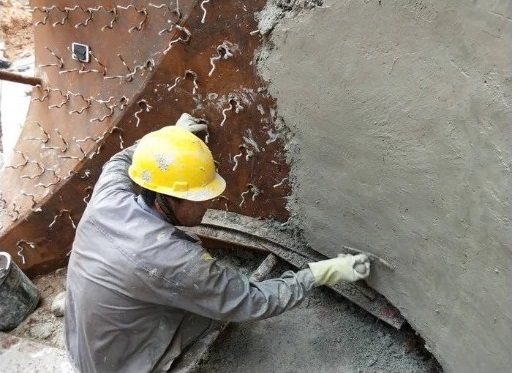
Refractory anchors, including stainless steel refractory anchors and ceramic fiber anchors, are exposed to extreme conditions. Over time, materials can degrade due to prolonged exposure to heat and mechanical stress. Castable anchors, for example, may suffer from microstructural changes that reduce their strength and stability. This degradation compromises the anchor’s ability to hold refractory linings firmly, leading to potential lining failure.
Thermal cycling—repeated heating and cooling—causes expansion and contraction of both the anchors and the refractory materials. This can lead to fatigue, cracking, or loosening of the anchors. Mechanical stresses from vibrations or impacts add to this wear. Types like refractory V anchors and malco refractory anchors must be carefully selected and installed to withstand these stresses. Improper refractory anchors setup or installation can accelerate damage.
Industrial environments often expose refractory anchors to corrosive chemicals, such as alkalis, sulfates, and chlorides. These substances can cause corrosion, especially in steel-based anchors. Stainless steel refractory anchors offer better corrosion resistance but are not immune. Corrosion weakens the welds and anchor bodies, risking anchor failure and refractory lining collapse. Hanlock refractory anchors, known for their quality, still require proper maintenance to prevent chemical damage.
Tip: Regularly inspect refractory anchors for signs of corrosion and material fatigue, especially after thermal cycling, to catch early issues before they lead to costly failures.
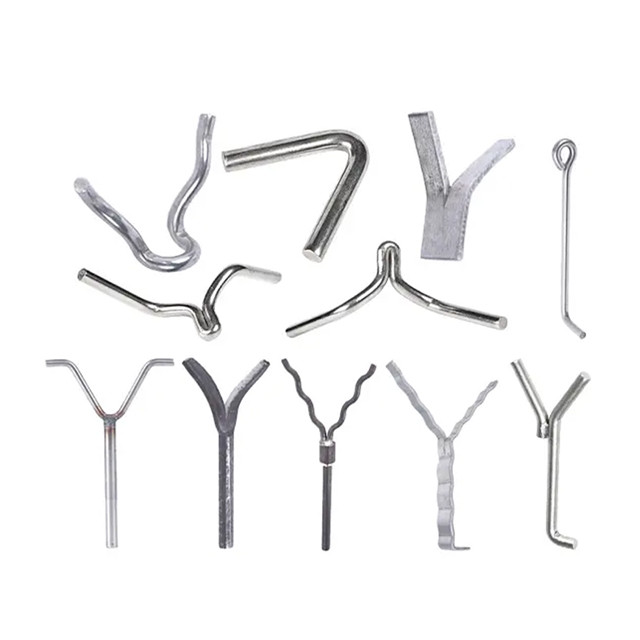
Recognizing early signs of refractory anchor failure is crucial for preventing costly downtime. Common indicators include:
Cracking or spalling of refractory lining near anchor points
Visible gaps between refractory material and steel shell
Loose or detached anchors detected during inspections
Corrosion or rust on stainless steel refractory anchors or other types
Deformation or bending of refractory V anchors, malco refractory anchors, or castable anchors
These symptoms often signal underlying issues such as material degradation, improper refractory anchors setup, or corrosion from chemical exposure. Early detection helps avoid more severe damage to the refractory lining and equipment.
Effective inspection is key to troubleshooting refractory anchors. Techniques include:
Visual Inspection: Regularly check for surface damage, corrosion, or loose anchors, especially in high-stress areas.
Non-Destructive Testing (NDT): Ultrasonic or dye penetrant testing can reveal cracks or voids in anchors without dismantling.
Thermographic Imaging: Detects hot spots indicating refractory lining failure or anchor loosening.
Mechanical Testing: Assess weld integrity and anchor strength during scheduled maintenance.
Endoscopic Inspection: Using specialized cameras to inspect hard-to-reach areas inside furnaces or kilns.
Implementing a thorough inspection routine as part of refractory anchors maintenance ensures early problem identification, extending the life of the lining.
Once issues are identified, several solutions can restore anchor performance:
Re-Welding or Repair: Using advanced welding technologies like Rapid Arc Welding (RAW) improves weld quality and reduces failure risk.
Anchor Replacement: Replace damaged or corroded anchors with high-quality stainless steel refractory anchors or ceramic fiber anchors suited to the application.
Corrosion Protection: Apply protective coatings or select corrosion-resistant alloys to combat chemical exposure.
Improved Installation: Follow a detailed refractory anchors installation guide to ensure proper anchor spacing, sizing, and secure attachment.
Material Upgrades: Switch to more durable refractory anchors types, such as hanlock refractory anchors or malco refractory anchors, designed for specific thermal and mechanical stresses.
Addressing anchor problems promptly and correctly supports the long-term performance refractory anchors are designed to provide.
Tip: Schedule regular inspections using thermographic imaging and NDT to detect refractory anchor issues early and avoid costly repairs or shutdowns.
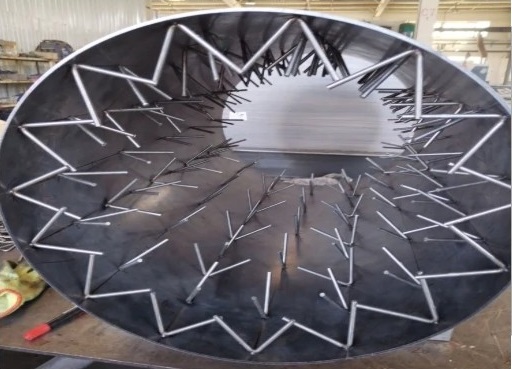
Maintaining refractory anchors is essential for ensuring their long-term performance. Regular inspections should be scheduled to detect early signs of wear, corrosion, or loosening. Cleaning anchor surfaces from debris and corrosive deposits helps prevent accelerated degradation. For stainless steel refractory anchors, it is crucial to check for pitting or surface corrosion, especially in chemically aggressive environments. Ceramic fiber anchors and castable anchors also benefit from routine checks to ensure their integrity remains intact. Proper maintenance extends the lifespan of all refractory anchors types, including specialized ones like refractory V anchors, hanlock refractory anchors, and malco refractory anchors.
Choosing the right materials significantly impacts the durability of refractory anchors. Stainless steel refractory anchors are preferred for their superior corrosion resistance and strength under thermal cycling. However, selecting the appropriate grade of stainless steel or alloy must align with the specific operational environment. For example, in highly corrosive atmospheres, higher alloy content or protective coatings may be needed. Ceramic fiber anchors are excellent for applications requiring lightweight and thermal insulation properties but may require careful handling during installation. Castable anchors should be matched with the refractory castables used to ensure compatibility and reduce stress. Partnering with a reputable refractory anchor manufacturer can help you select anchors tailored to your application’s demands.
Quality control is a cornerstone of effective refractory anchors maintenance. Ensuring dimensional accuracy, material consistency, and proper heat treatment during manufacturing prevents premature failures. When installing, following a detailed refractory anchors installation guide is vital to guarantee correct anchor setup and spacing. This includes verifying weld quality, anchor height, and secure attachment to the steel shell. Employing non-destructive testing methods during inspections can detect hidden defects early. Advanced welding technologies like Rapid Arc Welding (RAW) improve weld reliability, reducing maintenance needs. By integrating these quality control measures, you safeguard the long-term performance refractory anchors offer.
Tip: Establish a maintenance schedule that combines regular visual inspections, material compatibility checks, and adherence to installation best practices to maximize refractory anchors’ durability and performance.
Modern welding technologies have revolutionized the installation and repair of refractory anchors, offering improved quality and reliability. Traditional hand welding and stud welding often produce inconsistent welds, leading to premature failures. In contrast, Rapid Arc Welding (RAW) technology delivers precise, computer-controlled welds that ensure strong, uniform bonds between anchors and steel shells. This method reduces spatter, cracking, and weld defects, which are common issues affecting refractory anchors’ long-term performance.
RAW technology also enhances safety by minimizing welder exposure to toxic fumes and improving welding speed, particularly in confined spaces where refractory anchors setup can be challenging. The automatic monitoring and data recording features of RAW machines allow quality control teams to verify weld integrity in real-time, reducing the risk of anchor failure due to poor welds.
Automation plays a significant role in the manufacturing of refractory anchors, enabling higher precision and consistency. Automated cutting, bending, and forming machines ensure that refractory anchors types, such as refractory V anchors or castable anchors, meet exact specifications. This precision is critical because dimensional accuracy directly affects the anchor’s ability to securely hold refractory linings.
Furthermore, automated inspection systems using laser measurement and digital imaging detect defects early, preventing substandard anchors from reaching installation sites. Automation also streamlines heat treatment processes, ensuring consistent metallurgical properties that enhance thermal fatigue resistance and mechanical strength. By partnering with a reputable refractory anchor manufacturer that employs automation, clients can expect durable, high-performance anchors tailored to their operational needs.
Custom refractory anchor designs offer tailored solutions that address specific operational challenges. Standard anchors may not always provide optimal performance in complex geometries or extreme environments. Custom designs, such as specialized hanlock refractory anchors or malco refractory anchors, can be engineered to accommodate unique thermal expansion rates, mechanical stresses, and chemical exposures.
Benefits of custom designs include:
Enhanced Fit and Support: Custom anchors conform precisely to the refractory lining and steel shell, reducing movement and stress concentrations.
Optimized Material Selection: Materials can be chosen based on specific corrosion resistance or thermal properties, improving longevity.
Improved Installation Efficiency: Custom anchors designed for easier refractory anchors installation reduce labor time and errors.
Extended Service Life: By addressing site-specific conditions, custom anchors contribute significantly to long-term performance refractory anchors are expected to deliver.
Collaborating with experienced manufacturers ensures that custom anchor designs integrate seamlessly with refractory anchors installation guides, maximizing both performance and maintenance ease.
Tip: Leveraging advanced welding technologies like Rapid Arc Welding and automation in manufacturing significantly boosts refractory anchors’ durability and reduces installation-related failures.
Several industries have showcased the benefits of well-maintained refractory anchors in achieving long-term performance. For instance, steel manufacturing plants using stainless steel refractory anchors have reported extended lining life exceeding 15 years. These anchors resist corrosion and thermal fatigue, maintaining structural integrity despite harsh operating conditions. Similarly, cement plants employing refractory V anchors and castable anchors combined with regular refractory anchors maintenance have minimized unplanned shutdowns. Custom solutions from reputable refractory anchor manufacturers, such as hanlock refractory anchors and malco refractory anchors, have also demonstrated superior durability when tailored to specific thermal and mechanical stresses.
Failures often stem from neglecting proper refractory anchors setup or installation. In one petrochemical facility, premature anchor failure occurred due to incorrect anchor spacing and poor welding quality, leading to refractory lining collapse and costly downtime. This highlighted the importance of following a detailed refractory anchors installation guide and using modern welding technologies like Rapid Arc Welding (RAW) to ensure consistent weld strength. Another case involved corrosion damage on stainless steel refractory anchors caused by chemical exposure, emphasizing the need for selecting the right materials and applying protective coatings in corrosive environments.
Successful installations share common best practices that support long-term performance refractory anchors are designed to provide:
Accurate Anchor Spacing: Calculated based on refractory thickness and thermal expansion to reduce stress concentrations.
Quality Welding: Utilizing advanced welding methods such as RAW for uniform, strong bonds.
Material Compatibility: Matching anchor materials with the refractory lining and operational environment to prevent corrosion and degradation.
Thorough Inspection: Conducting non-destructive testing and thermographic imaging post-installation to verify anchor integrity.
Detailed Installation Guides: Following manufacturer instructions precisely to ensure correct anchor height, orientation, and attachment.
Implementing these practices reduces the risk of anchor failure and extends refractory lining life, resulting in fewer maintenance interventions and improved operational efficiency.
Tip: Collaborate closely with your refractory anchor manufacturer and follow a comprehensive installation guide to ensure optimal setup, preventing common failures and maximizing long-term anchor performance.
Maintaining refractory anchors is crucial for their long-term performance. Regular inspections, proper material selection, and modern welding technologies are essential. Future trends include automation and custom designs, enhancing anchor durability and efficiency. Leader Special Steel offers advanced refractory anchors that deliver exceptional value through innovative features and reliable performance.
A: Refractory anchors are components used to secure refractory linings in high-temperature industrial equipment. They are crucial for maintaining the structural integrity of linings, ensuring long-term performance by resisting thermal cycling, mechanical stress, and chemical exposure.
A: Effective troubleshooting involves regular inspections using techniques like visual checks, non-destructive testing, and thermographic imaging. Identifying signs of failure, such as corrosion or loosening, and following a refractory anchors installation guide can prevent costly downtime.
A: Stainless steel refractory anchors are preferred for their corrosion resistance and strength under thermal cycling. Ceramic fiber anchors are ideal for lightweight applications, while castable anchors should match the refractory castables used to ensure compatibility.
A: Modern welding technologies, such as Rapid Arc Welding (RAW), provide precise, computer-controlled welds that ensure strong bonds between anchors and steel shells, reducing defects and enhancing long-term performance.
A: Regular inspections, cleaning anchor surfaces, checking for corrosion, and ensuring proper refractory anchors setup are essential maintenance practices. Adhering to a detailed installation guide and partnering with a reputable refractory anchor manufacturer can further enhance durability.


