
Views: 0 Author: Site Editor Publish Time: 2025-09-19 Origin: Site
Choosing the right refractory anchor is crucial for industrial success. Without proper anchors, refractory linings may fail, causing costly downtime. In this post, you'll learn about anchor types and their applications."
Refractory anchors are essential components used to secure refractory linings inside high-temperature industrial equipment like furnaces, kilns, and reactors. They act as the backbone holding the lining firmly against the equipment shell, preventing it from shifting or falling off during operation.
These anchors endure extreme conditions—thermal expansion, contraction, mechanical stress, and chemical exposure. Without them, refractory materials could crack, spall, or detach, causing equipment damage and costly downtime.
In industries such as steel, cement, petrochemical, and power generation, refractory anchors maintain the integrity and longevity of linings. They:
Secure the lining: Anchors keep refractory materials in place, even under intense heat and vibration.
Prevent structural failure: By holding the lining tightly, they minimize risks of cracks or buckling from thermal stresses.
Support thermal expansion: Their design accommodates expansion and contraction, reducing stress on the lining.
Enhance safety and efficiency: Proper anchoring reduces maintenance needs and prevents unexpected shutdowns.
For example, in a blast furnace, anchors hold the refractory lining steady despite high temperatures exceeding 2000°F and mechanical forces from molten metal. In cement kilns, anchors resist corrosion and abrasion, ensuring the lining lasts longer.
Anchors are typically fixed to the equipment shell by welding, then embedded in the refractory material. They come in various shapes and sizes to match the lining type and operating conditions. The right anchor design ensures even load distribution and minimizes stress concentrations.
Anchors often have protective coatings or tips that allow for expansion without damaging the refractory. Materials used for anchors include stainless steel alloys, nickel alloys, and sometimes ceramic, chosen based on temperature and corrosive environment.
Note: Selecting the correct refractory anchor type and material is crucial to prevent lining failure and extend equipment life in harsh industrial environments.

Choosing the right type of refractory anchor is key to keeping your lining secure and durable. Each anchor type has unique features that suit different applications and operating conditions. Here’s a closer look at the most common types:
Stud anchors are the most widely used. They’re typically made from carbon steel or stainless steel and welded directly to the equipment shell. Their strong tensile strength makes them ideal for vertical surfaces. They distribute load evenly and are easy to install, making them a reliable choice for many refractory linings.
L-brackets have an “L” shape, with one side welded to the shell and the other supporting the refractory. This design works well for complex shapes or irregular surfaces where alignment is tricky. They provide stable support and help maintain the lining in place under thermal and mechanical stress.
T-anchors look like a “T” and have a crossbar that offers extra stability. They’re great for areas facing high mechanical stress since they spread the load across a wider surface. T-anchors also allow for easier removal or replacement of refractory materials when needed.
V-anchors resemble a “V” and are excellent for both vertical and horizontal applications. Their shape holds the refractory firmly while allowing for thermal expansion and contraction. This flexibility helps prevent cracks or spalling in high-temperature environments.
Wire anchors use high-temperature-resistant wire and are lighter than metal anchors. They’re ideal for lightweight refractory systems or applications with less thermal stress. Their flexibility makes installation easier in tight or less demanding situations.
Y anchors have a distinctive "Y" shape that provides superior support and load distribution. Made from heat-resistant alloys like stainless steel or Inconel, they excel in harsh conditions such as petrochemical reactors, cement kilns, and steel furnaces. Their design helps accommodate thermal expansion and prevents lining spalling.
Tip: When selecting an anchor type, consider your lining’s shape, operating temperature, and mechanical stress to ensure optimal support and durability.
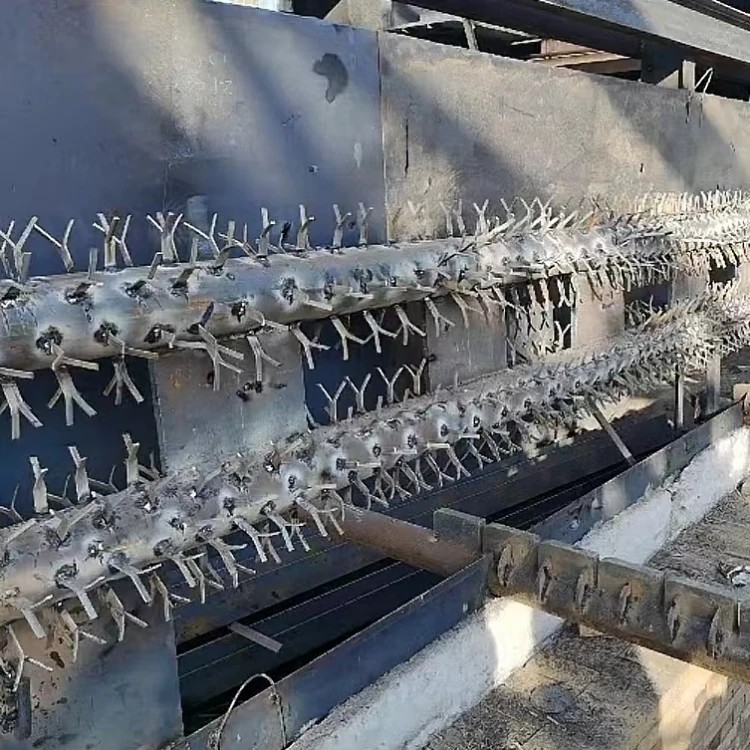
Choosing the right material for refractory anchors is critical. These anchors must withstand extreme heat, corrosion, and mechanical stress without failing. The wrong material can lead to anchor oxidation, cracking, or deformation, which compromises the entire refractory lining. Selecting the proper alloy ensures durability, safety, and cost-efficiency over the life of your equipment.
Several materials are commonly used for refractory anchors, each suited to different conditions:
Stainless Steel: Grades like AISI 304, 309, and 310 are popular due to their corrosion resistance and ability to handle moderate to high temperatures (up to around 2000°F). They offer good ductility and strength.
Nickel Alloys (e.g., Inconel 601): These are ideal for very high-temperature environments exceeding 2000°F and where chemical corrosion is severe. They resist oxidation, carburization, and sulfidation better than stainless steel.
Carbon Steel: Used in lower temperature applications due to its affordability but limited high-temperature performance.
Ceramic Anchors: Often used in extremely high-temperature or highly corrosive environments where metallic anchors would fail. They are common in monolithic refractory linings.
Several factors determine which anchor material suits your project:
Operating Temperature: Higher temperatures require alloys with better heat resistance like 310 stainless steel or Inconel.
Chemical Environment: Acidic or sulfidizing atmospheres need corrosion-resistant materials. For example, petrochemical reactors often require nickel alloys.
Mechanical Stress: Environments with high vibration or mechanical load demand materials with high tensile strength and fatigue resistance.
Refractory Thickness and Type: Thicker linings may expose anchors to different temperature gradients, affecting material choice.
Cost and Availability: Budget constraints and local supply can influence material selection, but never at the expense of performance.
Compatibility: The anchor material must be compatible with the refractory and equipment shell to prevent galvanic corrosion or chemical reactions.
Consider a steel furnace operating at 2100°F with a lining thickness of 8 inches. Using AISI 304 stainless steel anchors might lead to premature oxidation at the anchor tips. Instead, 310 stainless steel or Inconel 601 would better resist these conditions, extending anchor life and preventing lining failure.
| Material | Max Temperature (°F) | Corrosion Resistance | Typical Use Cases |
|---|---|---|---|
| Carbon Steel | Up to 1200 | Low | Low-temp, budget-sensitive |
| Stainless Steel 304 | Up to 1600 | Moderate | Moderate temp, general use |
| Stainless Steel 309 | Up to 1900 | Good | Higher temp, oxidizing atmospheres |
| Stainless Steel 310 | Up to 2100 | Excellent | High temp, aggressive environments |
| Inconel 601 | Above 2100 | Superior | Extreme temp, chemical attack |
| Ceramic | Above 2500 | Excellent | Ultra-high temp, corrosive |
Tip: Always evaluate your equipment’s maximum operating temperature and chemical exposure before selecting anchor materials to avoid costly failures and downtime.
Designing refractory anchors requires careful thought about various factors. The anchor must hold the lining firmly without causing stress points that lead to cracks or failure. Key factors include:
Refractory type and thickness: Different refractory materials have unique properties; thicker linings require anchors that can handle higher loads and temperature gradients.
Operating temperature: High temperatures cause expansion and contraction, so anchors must accommodate these changes without damaging the lining.
Mechanical stresses: Vibrations, shocks, and external forces affect anchor strength and spacing.
Corrosive environment: Chemical exposure can degrade anchor materials, so design must consider corrosion resistance.
Thermal gradients: Temperature difference between the hot face and cold face of the lining influences anchor tip temperature, impacting material choice and embedment depth.
Proper spacing and embedment depth are vital to anchor performance:
Anchor spacing: Spacing depends on lining thickness, refractory type, and mechanical loads. Too wide spacing risks lining sagging; too close increases installation time and cost.
Embedment depth: Anchors should penetrate 75-85% of the refractory thickness to provide solid support. The anchor tip should not be too close to the hot face to avoid overheating and oxidation.
Pattern design: Anchor layout varies by equipment geometry. Flat walls, curved surfaces, or transitions require different spacing patterns to distribute stress evenly.
Operating conditions heavily influence anchor design choices:
Thermal expansion: Anchors expand faster than refractory, so tips often have protective coatings or caps to allow movement without cracking.
Temperature limits: Anchor materials have maximum temperature ratings. Design must ensure anchor tips stay below these limits by adjusting embedment depth or material grade.
Chemical exposure: In harsh environments, anchors may need special alloys or coatings to resist corrosion and extend service life.
Mechanical load: Areas with high vibration or impact require anchors with higher tensile strength and fatigue resistance.
For example, a furnace operating at 2100°F with an 8-inch lining may use 310 stainless steel anchors embedded 6 inches deep. Anchor spacing might be tighter near corners or transitions to handle stress concentration.
Tip: Use heat loss calculators or thermal modeling tools to estimate anchor tip temperatures and optimize embedment depth and material choice for your specific operating conditions.
Proper installation is crucial for refractory anchors to perform well and extend lining life. Follow these best practices to ensure a secure, durable anchoring system:
Clean and Prepare Surfaces: Before welding anchors to the shell, clean the surface thoroughly to remove rust, scale, or debris. This ensures a strong weld.
Correct Welding Technique: Use proper welding methods suited for the anchor material. Avoid overheating the anchor or shell, which can cause warping or weaken the weld.
Anchor Positioning: Position anchors according to the approved layout and spacing plan. Misplaced anchors can cause uneven load distribution or lining failure.
Embedment Depth: Embed anchors 75-85% into the refractory lining thickness. This provides firm hold without exposing anchor tips to excessive heat.
Allow for Thermal Expansion: Use protective coatings or caps on anchor tips to accommodate expansion and prevent cracking. Plastic caps or wax coatings are common.
Avoid Over-Welding: Excessive weld metal can cause stress concentrations or make anchor removal difficult during repairs.
Use Templates or Jigs: For complex geometries, use installation guides to maintain consistent anchor placement and orientation.
Even small installation errors can lead to premature refractory lining failure. Watch out for these common mistakes:
Improper Anchor Spacing: Too few anchors cause sagging; too many increase costs and can create stress points.
Incorrect Embedment Depth: Shallow embedment weakens support; excessively deep embedment exposes anchors to damaging high temperatures.
Poor Weld Quality: Weak or cracked welds reduce anchor strength and may fail under thermal or mechanical stress.
Ignoring Thermal Expansion: Failing to protect anchor tips can cause refractory cracking as anchors expand faster than lining.
Misaligned Anchors: Anchors not aligned with the lining surface can cause uneven pressure and cracks.
Using Wrong Anchor Material: Material not suited for operating temperature or chemical environment leads to corrosion or oxidation.
Skipping Surface Preparation: Welding on dirty or rusty surfaces results in poor weld integrity.
Routine inspection and maintenance help catch anchor issues early and prevent costly downtime:
Visual Inspection: Check for signs of anchor corrosion, cracking, or deformation. Look for loose or missing anchors.
Refractory Condition: Inspect lining for spalling or cracks near anchors, which may indicate anchor failure.
Weld Integrity: Examine welds for cracks or corrosion. Repair or replace compromised anchors promptly.
Thermal Cycling Effects: Monitor for damage caused by repeated heating and cooling cycles.
Cleaning: Remove buildup of dust, slag, or debris that can hide anchor defects.
Scheduled Repairs: Replace damaged anchors during planned maintenance to avoid unexpected failures.
By following these installation and maintenance guidelines, you ensure your refractory anchors provide stable, long-lasting support for your linings. Proper care reduces risks of lining failure, improves safety, and lowers overall operating costs.
Tip: Always use protective caps on anchor tips during installation to accommodate thermal expansion and prevent refractory cracking.
Before selecting any refractory anchor, it’s essential to understand your project’s specific needs. Consider the following:
Operating Temperature: Know the maximum temperature your equipment will reach. This helps choose an anchor material that won’t degrade or fail under heat.
Chemical Environment: Identify any corrosive gases or chemicals present. Some materials resist corrosion better than others.
Mechanical Stress: Assess vibration, impact, or pressure levels. High mechanical loads require stronger, more durable anchors.
Refractory Type and Thickness: Different refractory materials and thicknesses affect anchor design and embedment depth.
Equipment Geometry: Complex shapes or tight spaces may require special anchor types or installation methods.
Installation Method: Determine if welding or mechanical fixing suits your setup. Installation ease impacts project timeline and cost.
Gathering this information upfront ensures you pick anchors tailored to your project’s demands and environment.
Each anchor type offers unique benefits for certain conditions. Match your project needs to the right anchor style:
Stud Anchors: Best for vertical walls and general-purpose use. They offer strong tensile support and easy installation.
L-Brackets: Ideal for irregular surfaces or complex shapes needing stable support.
T-Anchors: Perfect for high mechanical stress areas; their crossbar spreads load evenly.
V-Anchors: Great for applications requiring accommodation of thermal expansion and contraction.
Wire Anchors: Suitable for lightweight linings or less demanding thermal conditions.
Y Anchors: Excellent for harsh environments needing superior load distribution and thermal expansion support.
For example, a cement kiln with high abrasion and thermal cycling might benefit from Y anchors made of Inconel, while a lower temperature steel furnace could use stainless steel stud anchors.
When in doubt, consulting refractory engineers or anchor manufacturers can save time and money. Experts can:
Analyze your project conditions in detail.
Recommend anchor materials and designs that maximize lining life.
Provide custom solutions for unique challenges.
Offer installation guidance and maintenance tips.
Partnering with specialists ensures your anchor choice aligns perfectly with your application, reducing risks of premature lining failure.
Tip: Always share detailed project data—temperatures, chemicals, mechanical loads—with your anchor supplier to get the best material and design recommendations tailored to your needs.
Selecting the right refractory anchor is crucial for maintaining equipment integrity and efficiency. Consider factors like temperature, chemical exposure, and mechanical stress when choosing anchors. Consulting experts ensures optimal choices, preventing costly failures. Leader Special Steel offers high-quality refractory anchors designed to withstand harsh conditions, enhancing equipment longevity and performance. Their expertise and reliable products provide significant value for industrial applications, ensuring successful refractory projects.
A: A refractory anchor is used to secure refractory linings inside high-temperature industrial equipment, preventing them from shifting or falling off during operation.
A: To choose the right refractory anchor, consider factors like operating temperature, chemical environment, mechanical stress, refractory type, and equipment geometry.
A: Material selection is crucial because refractory anchors must withstand extreme heat, corrosion, and mechanical stress without failing, ensuring durability and safety.
A: Common types include stud anchors, L-brackets, T-anchors, V-anchors, wire anchors, and Y anchors, each suited for specific applications and conditions.
A: Prevent mistakes by ensuring proper anchor spacing, correct embedment depth, quality welds, and using the right anchor material for your specific conditions.


