
Views: 0 Author: Site Editor Publish Time: 2025-09-19 Origin: Site
In high-temperature industries, refractory anchors are vital for maintaining stability and safety. These anchors prevent lining detachment and failure. Understanding their importance ensures optimal performance and longevity. In this article, you'll learn about different types of refractory anchors and their specific applications in industrial settings.
Refractory anchors play a vital role in securing refractory linings in high-temperature industrial equipment. Various types exist, each tailored for specific applications and performance requirements. Here’s a detailed look at some common refractory anchor types:
These anchors feature a simple "V" design, making them popular for many industrial uses. They provide solid support for castable linings in furnaces, kilns, and ducts. Their shape allows for some thermal expansion, reducing stress on the lining. Made usually from stainless steel or heat-resistant alloys, they are easy to install and cost-effective.
Y-shaped anchors resemble a "Y" with an extended central leg. This design offers deeper reinforcement in thicker refractory linings, minimizing sagging or detachment. They are often chosen for applications where the lining must withstand higher mechanical stress or thermal cycling.
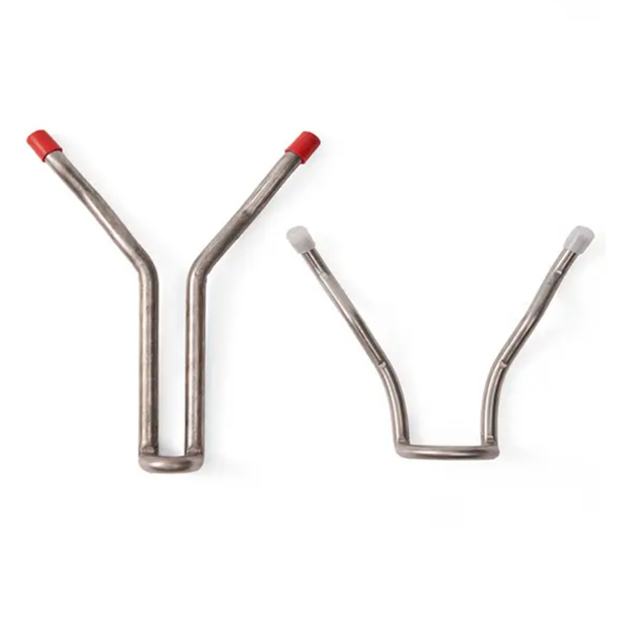
Stud anchors consist of a metal stud welded to a base plate. They secure refractory materials firmly to metal surfaces, handling extreme temperatures and mechanical loads. Available in various sizes, they suit different refractory thicknesses and configurations.
Spiral anchors have a twisted or helical shape, allowing them to expand and contract with the refractory lining. This flexibility helps prevent damage from thermal cycling, especially in kilns, furnaces, or rotary equipment. Their design ensures a strong mechanical interlock, improving lining stability.
Knurled anchors feature a textured or patterned surface that enhances grip within the refractory material. This design is ideal where vibration or mechanical stress could cause slippage. They maintain lining stability in dynamic environments and come in different sizes and materials to fit specific industrial needs.
These anchors have a rounded "U" shape, commonly used in vertical walls, boilers, and chimneys. They distribute load evenly and reduce stress concentration, helping prevent cracks or failures in the refractory lining. Their shape also accommodates thermal expansion effectively.
Note: Selecting the right anchor type depends on lining thickness, operating temperature, mechanical stress, and the specific industrial environment. Proper matching ensures lining longevity and system safety.
Choosing the right material for refractory anchors is crucial. It ensures the anchors withstand harsh conditions like extreme heat, corrosion, and mechanical stress. Let’s explore the common materials used and their benefits.
Stainless steel is a popular choice for many refractory anchors. It offers good resistance to heat and corrosion. Common grades include:
304 Stainless Steel: Suitable for temperatures up to about 900°C. It’s cost-effective and widely used for general applications.
310 Stainless Steel: Handles higher temperatures, up to roughly 1200°C. It’s ideal for more demanding environments.
316 Stainless Steel: Known for its excellent corrosion resistance, especially in acidic or chemical environments.
These stainless steels contain chromium and nickel, which help maintain strength and ductility under heat. They are often used in industries like power plants and petrochemical plants where moderate to high temperatures and corrosion are concerns.
For more extreme conditions, nickel-based alloys like Inconel or Incoloy are preferred. These alloys have higher nickel content, making them highly resistant to oxidation, carburization, and sulfidation at very high temperatures—sometimes exceeding 2000°F (about 1093°C). They maintain strength and resist corrosion even under severe thermal cycling.
Nickel alloys are commonly used in specialized applications such as:
High-temperature furnaces
Rotary kilns
Petrochemical reactors
Though more expensive than stainless steel, their durability often justifies the cost in critical environments.
When temperatures go beyond what metals can handle, ceramic anchors come into play. These anchors are made from heat-resistant ceramic materials. They can withstand temperatures above 2000°F (1093°C) and are often custom-made for specific applications.
Ceramic anchors are typically used for:
Very thick refractory linings (over 9 inches)
Extremely high-temperature zones
Situations where metal anchors would degrade too quickly
They are usually cast in place and secured with metal brackets. While ceramic anchors offer excellent thermal resistance, they can be more brittle and require careful handling during installation.
Note: Properly matching anchor material to operating temperature and environment prevents premature anchor failure and extends refractory lining life.
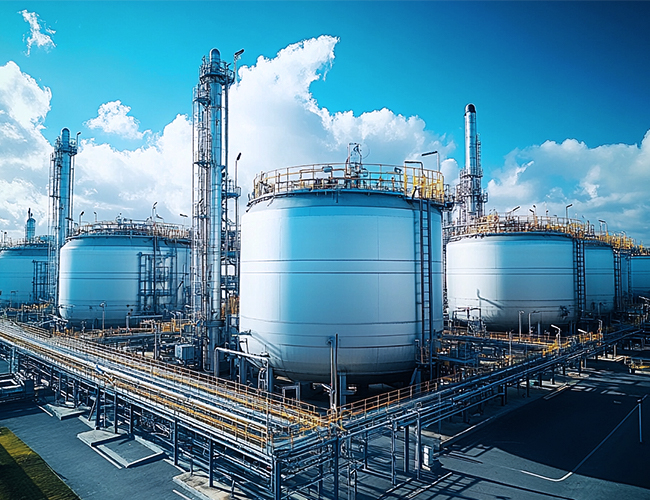
Refractory anchors are essential in many high-temperature industries. They keep refractory linings firmly in place, preventing damage from heat, mechanical stress, or chemical attack. Let’s look at some key industries where these anchors play a critical role.
Foundries melt and shape metals at extremely high temperatures. Refractory anchors secure linings inside furnaces and ladles, which face intense thermal cycling and mechanical wear. Anchors like stud and spiral types provide strong support to prevent lining detachment. This reduces costly downtime and maintains safety.
Glass furnaces demand linings that resist rapid heating and cooling. Refractory anchors hold the lining steady against thermal shock and vibration. V-shaped and Y-shaped anchors are common here, allowing for some expansion while maintaining stability. Proper anchoring helps avoid cracks and ensures consistent glass quality.
Cement production uses rotary kilns and preheaters operating at very high temperatures. The linings must withstand abrasion and chemical corrosion from raw materials. U-shaped and spiral anchors are often used to distribute load evenly and allow thermal expansion. This keeps the lining intact and extends service life.
Boilers, incinerators, and chimneys in power plants require reliable refractory linings to maintain thermal insulation. Anchors such as knurled and V-shaped types secure the lining against vibration and thermal cycling. Stainless steel anchors are popular for their corrosion resistance in these settings.
Reactors, reformers, and flare stacks in petrochemical plants operate under harsh conditions including extreme heat and corrosive gases. Nickel-based alloy anchors and ceramic anchors are preferred for their high temperature and chemical resistance. U-shaped and corrugated anchors help maintain lining integrity under mechanical stress.
Note: Matching anchor type and material to the specific industrial environment ensures longer lining life, reduces maintenance costs, and improves operational safety.
Refractory anchors provide essential support for linings in high-temperature industrial equipment. Their benefits go beyond merely holding materials in place. Let’s explore how they enhance lining stability, prevent failure, and improve thermal performance.
Anchors keep refractory linings firmly attached to the structure, preventing movement caused by thermal expansion, vibration, or mechanical stress. Without anchors, linings can shift or crack, leading to premature failure. For example, spiral anchors allow some flexibility, accommodating expansion while maintaining a strong hold. This stability reduces maintenance needs and downtime, saving costs and improving safety.
Many lining failures trace back to poor anchoring. When anchors are correctly chosen and installed, they distribute mechanical loads evenly and minimize stress concentrations. This lowers the risk of cracks, spalling, or detachment. U-shaped anchors, for instance, spread the load over a wider area, reducing stress points. Proper anchoring also helps the lining resist thermal shock and chemical attack, extending service life.
Refractory anchors contribute indirectly to better thermal insulation. By keeping the lining intact and tightly bonded, they prevent gaps or voids that could allow heat loss. This improves energy efficiency and process control. Additionally, some anchors are designed to accommodate thermal expansion without damaging the lining. Using materials like nickel-based alloys or ceramic anchors further enhances performance in extreme temperatures by resisting oxidation and corrosion.
Tip: Choose refractory anchors that balance strength and flexibility to maintain lining stability and extend service life under thermal cycling.
Selecting the proper refractory anchor is crucial for ensuring the durability and safety of high-temperature linings. Several factors come into play when making this choice, helping match the anchor type and material to the specific industrial needs.
Operating Temperature: The anchor material must tolerate the maximum temperature the lining will face. Stainless steel anchors work well up to about 1200°C, while nickel-based alloys or ceramic anchors suit higher temperatures.
Lining Thickness: Thicker linings often require anchors with longer legs or deeper penetration, such as Y-shaped or stud anchors. Thin linings might only need V-shaped or knurled anchors.
Mechanical Stress: Applications with heavy vibration, thermal cycling, or mechanical loads benefit from anchors that offer flexibility and strong grip, like spiral or knurled anchors.
Corrosive Environment: Chemical exposure demands corrosion-resistant materials. Nickel alloys or specially coated stainless steel are preferred in petrochemical or acidic environments.
Installation Constraints: Some designs require specific anchor shapes for ease of installation or compatibility with lining materials.
Thermal Expansion Compatibility: Anchors should accommodate expansion differences between metal and refractory to prevent cracking.
Foundries and Glass Manufacturing: Often use V-shaped or Y-shaped anchors due to their balance of support and expansion accommodation.
Cement Plants and Rotary Kilns: Spiral and U-shaped anchors help manage intense thermal cycling and abrasion.
Power Plants: Knurled and V-shaped anchors provide stability against vibration and moderate temperatures.
Petrochemical Industries: High-grade nickel-based or ceramic anchors combined with U-shaped or corrugated designs resist extreme heat and corrosion.
Working with refractory experts or anchor manufacturers ensures the right selection. Specialists can analyze process conditions, lining design, and equipment geometry to recommend optimal anchor systems. They may also provide heat loss calculations or thermal modeling to verify anchor tip temperatures remain within safe limits.
Tip: Always involve refractory specialists early to tailor anchor selection based on your exact operating conditions and lining design, preventing costly failures and downtime.
Proper installation of refractory anchors is key to ensuring the longevity and performance of refractory linings. Following best practices helps avoid common failures caused by poor anchor placement, thermal stress, or mechanical damage. Here we cover critical factors such as anchor spacing, temperature considerations, and ongoing inspection.
Anchor spacing depends on lining thickness, anchor type, and mechanical load. Too few anchors can lead to lining sag or detachment, while too many increase cost and complexity. A common rule is to space anchors evenly to distribute load and avoid stress concentrations.
For thin linings (under 4 inches), anchors may be spaced 6 to 8 inches apart.
Thicker linings (6 inches or more) often require closer spacing, around 4 to 6 inches.
In areas subject to vibration or mechanical stress, reduce spacing further.
Adjust layout for geometric features like corners, transitions, or curved surfaces to maintain support.
Using CAD or modeling software helps optimize anchor patterns based on equipment shape and operating conditions. It also ensures anchors do not interfere with each other or lining installation.
Anchor tips face the highest temperatures, often near the hot face of the refractory lining. Selecting the right anchor length and material prevents overheating and premature failure.
Anchor tips should be positioned to avoid exposure to temperatures beyond their alloy limits.
For example, 304 stainless steel works up to about 900°C, while 310 stainless steel tolerates 1100–1200°C.
Nickel-based alloys and ceramic anchors handle even higher temperatures.
Use heat loss calculators or thermal modeling to estimate temperature gradients through the lining.
Employ plastic caps or wax coatings on anchor tips to create expansion gaps. These burn out during heating, allowing anchor expansion without cracking the lining.
Proper thermal design extends anchor life and maintains lining integrity under cyclic heating.
Regular inspection identifies anchor issues before they cause lining failure. Inspection frequency depends on operating conditions and maintenance schedules.
Inspect anchors during planned shutdowns or relining.
Look for signs of corrosion, deformation, or detachment.
Use non-destructive testing methods like ultrasonic or visual inspection.
Replace damaged anchors promptly to avoid cascading failures.
Document anchor condition to track wear trends over time.
Maintenance also includes verifying anchor spacing and installation quality during relining. Proper training for installation crews reduces errors.
Tip: Always plan anchor spacing and material selection based on thermal modeling and mechanical load analysis to maximize refractory lining durability and minimize costly repairs.
Refractory anchors are essential for securing linings in high-temperature industrial equipment. Different types, such as V-shaped, Y-shaped, and stud anchors, cater to various needs. Choosing the right anchor, considering factors like temperature and stress, ensures durability and safety. Proper selection enhances lining stability and prevents failures. Leader Special Steel offers high-quality refractory anchors that provide exceptional performance and reliability, catering to diverse industrial environments. Their products ensure long-lasting lining integrity, reducing maintenance costs and improving operational efficiency.
A: A refractory anchor secures refractory linings in high-temperature industrial equipment, preventing damage from heat, mechanical stress, or chemical attack.
A: Consider factors like operating temperature, lining thickness, mechanical stress, and corrosive environment to select the appropriate refractory anchor type and material.
A: Spiral anchors expand and contract with refractory linings, preventing damage from thermal cycling and ensuring strong mechanical interlock in kilns and furnaces.
A: Yes, ceramic anchors often cost more due to their ability to withstand extreme temperatures, but their durability can justify the expense in critical environments.
A: Stainless steel refractory anchors offer good resistance to heat and corrosion, making them suitable for moderate to high temperatures in various industries.


