loading
| Availability: | |
|---|---|
| Quantity: | |
Product | No. | Grade |
Fe-Cr | 1 | 1Cr12Al3 |
2 | 1Cr13Al4 | |
3 | 1Cr15Al5 | |
4 | 1Cr18Al3 | |
5 | 0Cr20Al3 | |
6 | 0Cr21Al4 | |
7 | 0Cr23Al5 | |
8 | 0Cr20Al6RE | |
9 | 0Cr25Al5 | |
10 | 0Cr21Al6 | |
11 | 0Cr21Al6Nb | |
12 | 0Cr24Al6RE | |
13 | 0Cr27Al7Mo2 | |
Ni-Cr | 14 | Cr20Ni80 |
15 | Cr20Ni80(Zr) | |
16 | Cr30Ni70 | |
17 | Cr15Ni60 | |
18 | Cr20Ni30 | |
19 | Cr20Ni35 |
The 0Cr20Al3 electrothermal alloy represents a pinnacle in resistance heating technology, engineered specifically to thrive in extreme thermal environments. When subjected to elevated temperatures, the surface of this iron-chromium-aluminum (Fe-Cr-Al) alloy naturally develops a meticulously dense and highly adherent aluminum oxide (Al2O3) protective film. This microscopic barrier is critical; it effectively shields the core metallic structure from progressive oxidation and severe sulfur corrosion, ensuring stable, continuous heat generation even in the most demanding atmospheric conditions. Beyond its thermal endurance, this specific grade boasts exceptional physical and electrical characteristics. It delivers a remarkably high electrical resistivity combined with a superior surface load capacity. When energized, the wire exhibits a rapid, highly responsive temperature rise, emitting a consistent, uniform glow that visually indicates perfectly distributed heat. Furthermore, its non-magnetic structural design broadens its applicability, making it an ideal choice for sensitive electronic environments where magnetic interference could disrupt surrounding precision components.
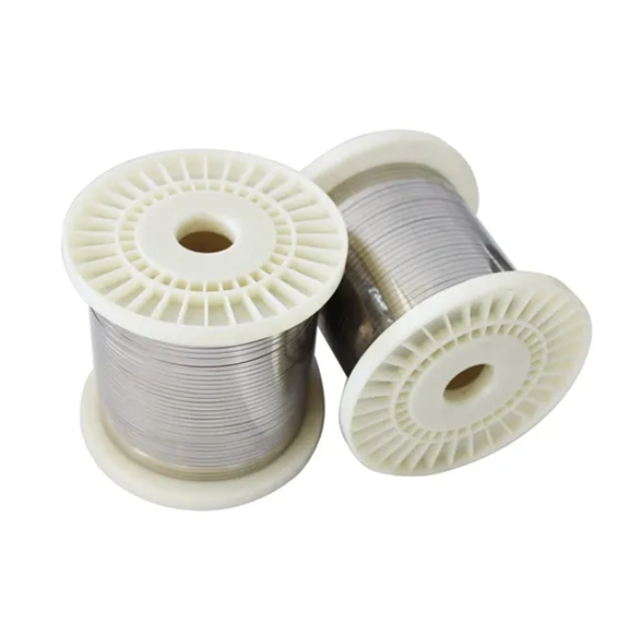
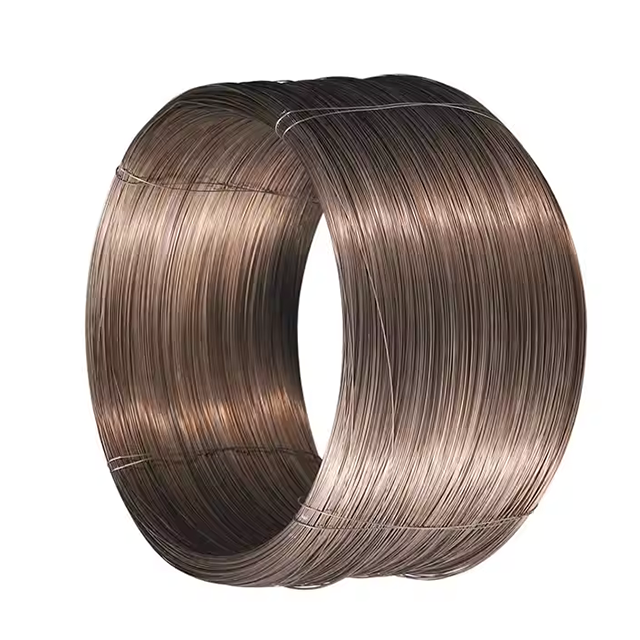
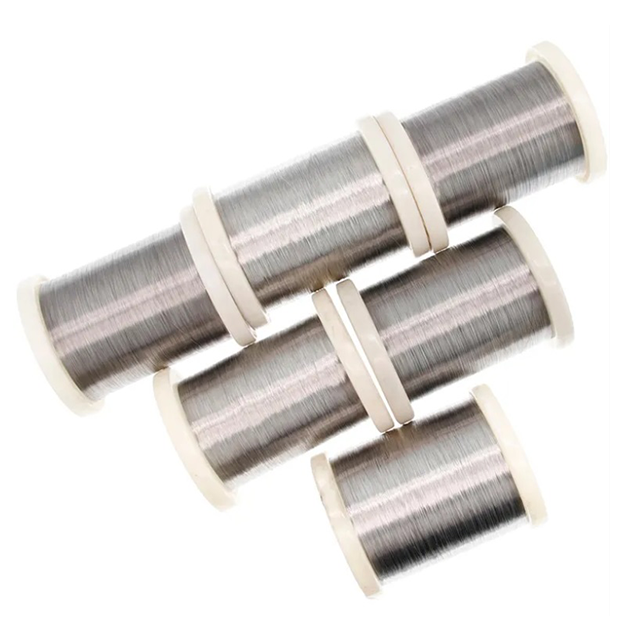
The exceptional performance of these heating elements begins at the metallurgical level. During the critical refining phase, advanced Electro-Slag Remelting (ESR) technology is employed. This sophisticated purification process systematically eliminates non-metallic inclusions and microscopic impurities, resulting in an alloy of unparalleled purity and internal structural homogeneity. Following the refining stage, the material undergoes a precision wire-drawing process. Operators meticulously control the tension and die calibration, yielding a final product with a flawlessly smooth, frictionless surface and a strictly uniform wire diameter from end to end. When handled, the wire presents a clean, silvery-white metallic luster and offers a pliable yet resilient tactile feedback, indicative of its refined grain structure. This rigorous attention to metallurgical integrity ensures that every spool or coil performs predictably, eliminating the risk of localized hot spots that often plague inferior, conventionally cast heating wires.
Material selection in thermal engineering is often a delicate balance between thermal performance and long-term economic viability. The 0Cr20Al3 grade excels in this matrix by offering a significantly lower specific gravity compared to traditional alternatives. Because it relies on an optimized iron-chromium-aluminum matrix rather than scarce, highly volatile nickel resources, it provides a much more stable and advantageous material cost without sacrificing thermal efficacy. This translates directly into more meters of heating element per kilogram of raw material, optimizing procurement budgets for large-scale production runs. More importantly, the operational lifespan of this alloy is remarkably extended. Under identical, rigorous thermal cycling conditions, the dense Al2O3 oxide layer prevents the rapid degradation typically seen in standard nickel-chromium alloys. This longevity reduces the frequency of maintenance interventions, minimizes equipment downtime, and ultimately lowers the total cost of ownership for manufacturing facilities and appliance producers alike.
Recognizing that thermal engineering projects require precise dimensional specifications, this electrothermal alloy is highly adaptable to a multitude of form factors. The inherent flexibility of the refined 0Cr20Al3 material ensures that it can be easily wound, shaped, and integrated into complex spatial constraints without fracturing or losing its structural integrity.
The unique combination of high resistivity, oxidation resistance, and structural flexibility makes the 0Cr20Al3 heating wire an indispensable component across a wide array of demanding sectors. In the heavy industrial landscape, it serves as the primary heat source in massive heat treatment furnaces, ceramic kilns, and glass tempering lines, where maintaining precise, extreme temperatures is critical to product quality. Beyond heavy industry, this alloy is equally vital in the commercial and consumer appliance sectors. It provides the rapid, reliable heat required in everyday devices such as high-performance hair dryers, commercial toasters, and convection ovens, ensuring consistent and safe consumer experiences. Furthermore, its formidable energy-dissipation characteristics make it highly effective in specialized engineering applications, including locomotive braking resistors, where it safely and rapidly converts massive amounts of kinetic energy into dissipatable heat during transit operations.
In today’s global manufacturing ecosystem, adherence to rigorous environmental and quality standards is non-negotiable. The 0Cr20Al3 electrothermal alloy is manufactured under strict quality control protocols that align with the highest international benchmarks. It is fully compliant with RoHS (Restriction of Hazardous Substances) directives, ensuring that it is free from restricted heavy metals and environmentally detrimental compounds. This commitment to clean, responsible metallurgy not only protects the environment but also ensures the safety of end-users interacting with appliances powered by these elements. By meeting these comprehensive global certifications, this resistance heating wire fulfills the stringent procurement criteria of top-tier manufacturers worldwide, providing peace of mind and guaranteeing flawless integration into sustainably focused supply chains.