
Views: 0 Author: Site Editor Publish Time: 2026-02-05 Origin: Site
What keeps high-temperature industries running without failure? The answer often lies in the Refractory Anchor hidden behind the lining. In this article, you will learn why anchoring systems shape efficiency, safety, and long-term business performance.
A Refractory Anchor is a metal component used to fix refractory linings to the steel shell of furnaces, kilns, ovens, and reactors. It works under extreme heat, weight load, and constant thermal movement. If it fails, the lining loses support, even if the refractory material itself is still intact.
In daily operation, the anchor allows the lining to expand and contract in a controlled way. It absorbs vibration, manages stress, and prevents the lining from slipping or cracking. This hidden structure plays a direct role in equipment safety and uptime, which is why manufacturers like Leader Special Steel focus heavily on anchor geometry and load behavior.
Core functional roles in operation:
● Hold refractory linings firmly against gravity and mechanical vibration during operation.
● Allow controlled thermal expansion so stress does not concentrate at one point.
● Transfer lining weight safely back to the steel shell of the equipment.
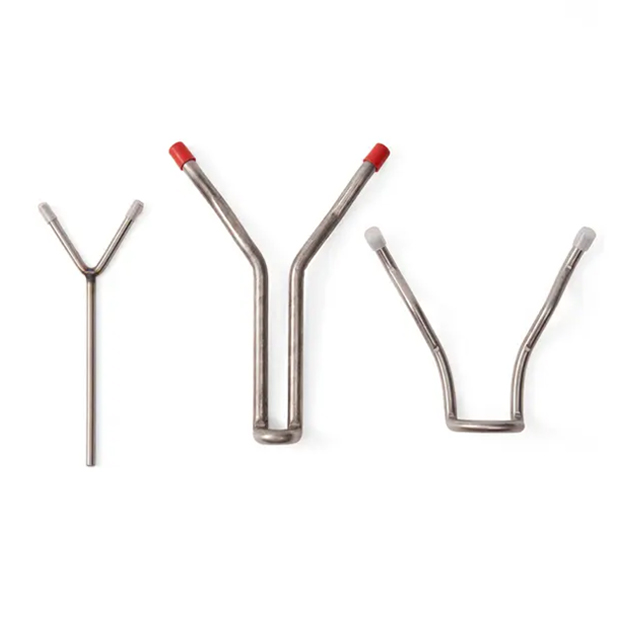
Material selection determines how long a Refractory Anchor can survive in a high-temperature environment. Ordinary metals weaken quickly under heat and oxidation. Stainless steel and high-temperature alloys are used because they maintain strength, resist scaling, and remain stable during long thermal cycles.
In continuous industrial service, anchors face hot gases, chemical exposure, and repeated heating and cooling. The right material ensures the anchor lasts as long as the refractory lining, not less. This directly affects maintenance frequency and operating cost.
Why these materials are chosen:
● They resist oxidation, even when exposed to high-temperature atmospheres.
● They retain mechanical strength under constant heat and load.
● They tolerate thermal cycling without rapid deformation or failure.
A Refractory Anchor keeps refractory linings stable inside furnaces, kilns, and ovens when heat and mechanical load increase. It supports lining weight while allowing controlled expansion during heating and cooling cycles. When anchors are properly selected, cracking, detachment, and collapse become far less common.
This is why manufacturers like Leader Special Steel pay close attention to anchor geometry, material behavior, and stress paths rather than simple fixing strength.
How anchors protect lining integrity in practice:
● They carry the lining’s dead weight so gravity does not cause sagging over long campaigns.
● They guide thermal movement instead of locking the lining rigidly in place.
● They reduce stress concentration at joints, corners, and edges where cracks often start.
Many unplanned shutdowns begin with small lining failures. A loose section creates hot spots, then damage spreads quickly. A reliable Refractory Anchor lowers this risk by keeping the lining intact through repeated thermal cycles.
When anchors last as long as the refractory itself, maintenance becomes planned instead of reactive, and production stays on schedule.
Operational benefits operators notice:
● Fewer emergency shutdowns linked to lining damage.
● More predictable maintenance windows over long operating cycles.
● Lower production loss caused by sudden repairs and cooling delays.
Workplace safety depends on keeping hot refractory materials where they belong. If a Refractory Anchor fails, heavy lining pieces may fall or expose hot steel surfaces. Proper anchor design reduces these risks during operation, inspection, and shutdown. Stable linings support safer working conditions and make it easier for sites to meet internal safety rules and industrial compliance requirements.
A Refractory Anchor faces constant heat and repeated temperature swings. It must hold strength during long hot runs, then recover during cooling. Poor heat behavior leads to fatigue, distortion, or early failure. Buyers often look to suppliers such as Leader Special Steel because temperature performance is built into material selection and forming logic, not added later.
Customers usually check these points first:
● Stable mechanical strength at sustained high temperatures.
● Fatigue resistance during frequent heat-up and cool-down cycles.
● Consistent behavior during start-ups and emergency shutdowns.
● Minimal deformation after long service exposure.
Refractory linings carry serious weight, especially thick castables. A Refractory Anchor supports this load while spreading stress across the lining surface. Geometry shapes how forces move through the system. When stress spreads evenly, cracks form less often. When it concentrates, failures accelerate.
Key expectations tend to include:
● Enough tensile strength to hold dense refractory materials.
● Anchor shapes that avoid sharp stress points.
● Reliable performance under vibration and mechanical movement.
Some buyers also look closely at how anchors interact at joints and corners, since those areas fail first under uneven loading.
Heat alone is not the only threat. Anchors face slag contact, hot gases, and corrosive vapors. If corrosion eats into the metal, strength drops quietly. Material choice decides how long an anchor keeps its section and load capacity. Stainless steels and heat-resistant alloys slow oxidation and chemical attack over time.
Buyers often evaluate:
● Oxidation resistance in aggressive atmospheres.
● Tolerance to chemical exposure during operation.
● Long-term surface stability rather than short-term appearance.
● Reduced risk of hidden material loss during service.
Different linings need different anchor shapes. A Refractory Anchor must match castables, bricks, or fiber systems without forcing the lining to behave unnaturally. Customers usually prefer practical design options rather than overly complex forms.
Design choice stays application-driven, helping anchors support the lining instead of fighting its natural movement.
A stable lining supported by a Refractory Anchor keeps heat where it belongs. When linings stay tight, insulation performs as designed. Heat loss drops, temperature control improves, and processes stay consistent. Operators notice steadier output and fewer hot spots during long runs. This is why suppliers like Leader Special Steel focus on anchors that manage movement instead of resisting it.
What operators usually see:
● Better heat retention across furnace walls.
● More stable internal temperatures during cycling.
● Lower fuel or energy input for the same output.
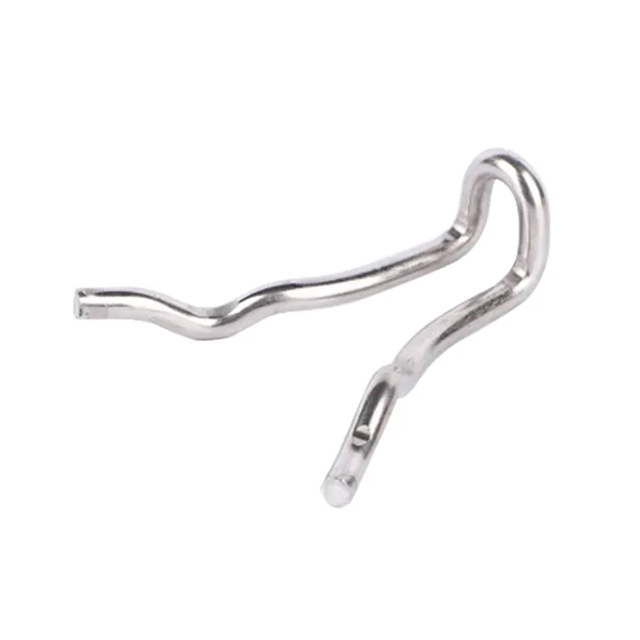
Anchor durability directly affects maintenance planning. When a Refractory Anchor lasts as long as the lining, repairs become scheduled, not urgent. Crews spend less time reacting to failures and more time optimizing uptime. Costs flatten out over time, which helps budgeting and long-term planning.
Buyers often connect durability to value through:
● Fewer emergency shutdowns caused by lining movement.
● Longer intervals between relining or anchor replacement.
● More predictable maintenance labor and spare parts usage.
● Reduced indirect costs tied to downtime and restart delays.
Reliable anchoring supports many high-temperature industries. Each application stresses the lining differently, but all rely on anchors to keep systems safe and efficient. A Refractory Anchor adapts to process demands without becoming the weak point.
Across these sectors, anchoring quality shapes energy use, maintenance rhythm, and operational stability day after day.
Refractory anchors keep linings stable, improve efficiency and safety, reduce downtime, and create long-term value, while Leader Special Steel delivers durable refractory anchor solutions that support reliable operation and predictable costs.
A: A Refractory Anchor is a metal support used to fix refractory linings inside furnaces. It holds linings in place under heat, load, and movement.
A: A Refractory Anchor prevents lining failure during operation. This helps avoid shutdowns that interrupt production and increase costs.
A: A Refractory Anchor keeps linings tight and stable. This reduces heat loss and helps maintain consistent process temperatures.
A: Refractory Anchor failure often comes from poor material choice or corrosion. Wrong design for the lining system also increases risk.
A: A durable Refractory Anchor lowers maintenance frequency over time. It helps make operating costs more predictable and controlled.


