
Views: 0 Author: Site Editor Publish Time: 2026-02-05 Origin: Site
Heat alone does not damage industrial equipment; weak support systems do. A Refractory Anchor often determines whether a lining performs well or fails early. This article explores the types and applications of Refractory Anchors and explains how proper selection improves stability, safety, and efficiency.
A Refractory Anchor is a metallic support welded to the equipment shell. It keeps refractory linings stable when exposed to high heat, vibration, and repeated thermal expansion. In daily operation, it works under extreme stress, yet it must remain structurally reliable for long service cycles.
In practical terms, the anchor transfers the weight and movement of the refractory lining to the steel shell. If it fails, the lining often fails next. This is why manufacturers such as Leader Special Steel focus on heat-resistant stainless steel anchors that maintain strength at elevated temperatures.
Core functions of a refractory anchor include:
● Holding refractory linings firmly against the equipment wall.
● Allowing controlled thermal movement instead of rigid restraint.
● Preventing lining detachment, cracking, or collapse over time.
Function Area | What the Anchor Does | Why It Matters |
Mechanical support | Carries lining weight | Prevents lining sagging |
Thermal control | Manages expansion | Reduces cracking |
Structural safety | Locks lining position | Improves furnace reliability |
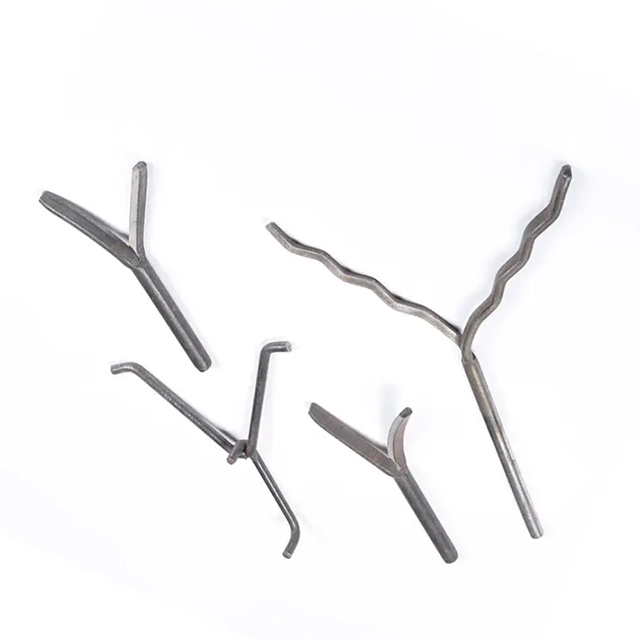
Refractory anchors always work as part of a system. They interact directly with castables, monolithic linings, and ceramic fiber materials. Each lining type places different demands on anchor shape, spacing, and flexibility.
In castable and monolithic linings, anchors act as internal reinforcement points. They distribute stress evenly across the lining surface. In fiber systems, anchors focus more on positioning and light structural support, while still allowing movement during heating and cooling.
Typical support roles across systems:
● They share mechanical loads instead of concentrating stress.
● They help linings keep their designed thickness and shape.
● They reduce damage caused by vibration or thermal cycling.
Refractory System | Anchor Interaction | Resulting Benefit |
Castable lining | Embedded load support | Longer lining life |
Monolithic lining | Surface stabilization | Lower maintenance |
Fiber lining | Flexible positioning | Better insulation stability |
When anchors are correctly selected and installed, the entire refractory system performs more predictably. This system-level approach is a key design focus for Leader Special Steel when supplying refractory anchors for industrial applications.
A Refractory Anchor must survive heat, stress, and long operating hours. For this reason, stainless steel remains the most widely used material. Grades such as 304 and 310S stainless steel are common choices in industrial furnaces and kilns. They offer a balance between strength, heat resistance, and cost, which suits many refractory systems.
At Leader Special Steel, refractory anchors are produced using carefully selected stainless steel grades. These materials are chosen not just for temperature rating, but also for how they behave after years of exposure. The goal is simple. The anchor should last as long as the refractory lining itself.
Key reasons stainless steel is preferred:
● It keeps mechanical strength under continuous heat exposure.
● It resists scale formation better than carbon steel.
● It performs consistently across repeated heating and cooling cycles.
Stainless Steel Grade | Typical Use in Refractory Anchors | Key Advantage |
304 | Medium-temperature furnaces | Good corrosion resistance |
310S | High-temperature zones | Excellent heat resistance |
Inside furnaces, kilns, and reactors, anchor materials face more than heat alone. Oxygen, sulfur, and other aggressive gases attack metal surfaces every day. If the anchor oxidizes or corrodes too fast, it loses strength and the refractory lining becomes unstable.
Heat-resistant stainless steel anchors form protective oxide layers on the surface. These layers slow down further oxidation and help the anchor keep its shape. Over time, this resistance reduces anchor thinning, distortion, and breakage.
Material performance matters because:
● Oxidation weakens anchors at high temperatures.
● Corrosion accelerates failure in chemical or fuel-rich atmospheres.
● Thermal fatigue causes cracking after repeated heat cycles.
Performance Factor | Why It Matters | Impact on Refractory Anchor |
Oxidation resistance | Limits surface degradation | Longer service life |
Corrosion resistance | Handles aggressive gases | Stable structural support |
Thermal fatigue resistance | Survives cycling | Reduced anchor failure |
Choosing the right refractory anchor material always starts with operating temperature. Lower-grade stainless steel works well in moderate heat zones. Higher temperatures demand alloys like 310S, especially near burners or flame contact areas.
Atmosphere also matters. An oxidizing environment behaves differently from a reducing or sulfur-rich one. Refractory type plays a role too. Dense castables place higher mechanical loads on anchors than lightweight fiber linings.
When selecting materials, engineers usually consider:
● Maximum service temperature and safety margin.
● Furnace atmosphere and chemical exposure.
● Refractory weight and lining thickness.
This is where Leader Special Steel supports customers. By matching anchor material to real operating conditions, they help reduce premature anchor failure and extend refractory system life.
In furnaces, kilns, and boilers, a Refractory Anchor keeps the lining stable while temperatures rise and fall. These units operate for long hours. Steel shells expand. Vibration appears. Anchors absorb movement and help the lining stay in position, so heat remains inside the system.
In daily operation, anchors are used to:
● Hold refractory linings on walls, roofs, and curved surfaces.
● Prevent lining gaps caused by thermal expansion.
● Support insulation performance and heat efficiency over time.
This stable support reduces lining damage and helps equipment run more consistently.
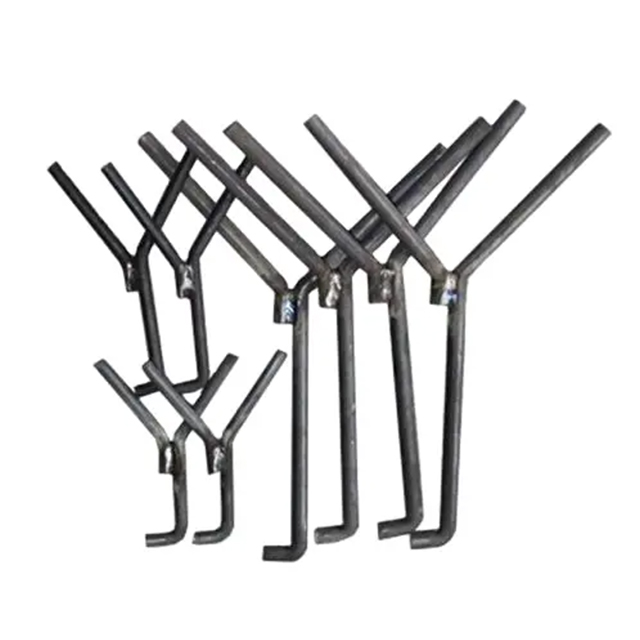
Cement, power, and petrochemical plants create harsh environments. Heat combines with dust, fuel residues, and aggressive gases. Anchors here must resist both temperature and chemical attack.
In these industries, refractory anchors help operators:
● Maintain lining integrity in cement kilns exposed to abrasion.
● Protect burner zones and flue areas in power plants.
● Support continuous operation in petrochemical furnaces.
Strong anchor materials and correct spacing reduce unplanned shutdowns and lining repairs.
Castable and monolithic linings depend heavily on anchor layout. Anchors act like internal reinforcement. They distribute stress across the lining surface and reduce cracking during thermal cycling.
In these systems, anchors:
● Control lining thickness and shape.
● Share mechanical loads evenly.
● Lower spalling risk during vibration or pressure changes.
Correct anchor placement improves lining life and system reliability.
Some equipment includes unusual shapes, tight curves, or constant vibration. Standard anchors may not perform well in these cases. Custom Refractory Anchor solutions become necessary.
Leader Special Steel supports these needs by adjusting anchor geometry, material grade, and spacing. This approach allows anchors to match real operating conditions and improves long-term performance.
This article explained how refractory anchors support linings under heat and stress.It covered anchor types, materials, and real industrial applications.Correct selection improves safety, efficiency, and lining lifespan.Leader Special Steel provides reliable refractory anchor solutions and technical support.
A: A refractory anchor is a metal component that secures refractory linings to equipment shells under high temperatures.
A: A refractory anchor holds the lining in place and manages thermal expansion during furnace operation.
A: Refractory anchor materials must resist heat, oxidation, and corrosion to avoid early failure.
A: Yes, a refractory anchor reinforces castable linings and reduces cracking and spalling risks.
A: Refractory anchor designs can be customized for complex equipment and extreme conditions.


