
Views: 0 Author: Site Editor Publish Time: 2025-12-11 Origin: Site
In high-temperature industrial settings, choosing the right refractory anchor is crucial for stability and performance. Refractory anchors play a key role in securing linings under extreme conditions. Stainless steel and ceramic anchors are popular choices, each with distinct advantages and drawbacks.
In this article, you will learn how to compare stainless steel refractory anchors to ceramic anchors and choose the right one for your needs.
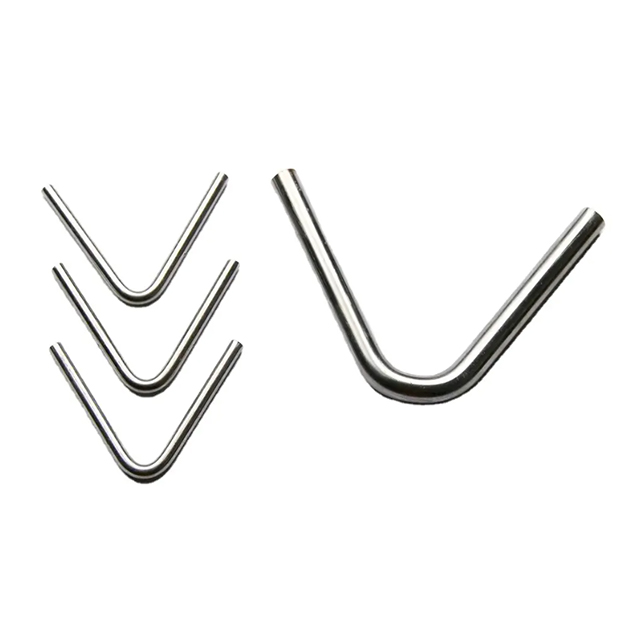
Refractory anchors are specialized components designed to hold refractory linings in place within high-temperature industrial systems, such as furnaces, kilns, boilers, and reactors. These linings are typically made of materials that can withstand extreme heat, but they require robust support to maintain their integrity under challenging conditions. The primary function of refractory anchors is to secure these linings, ensuring they stay intact and maintain their thermal insulation properties over time.
Without refractory anchors, the refractory lining could degrade, crack, or shift, leading to heat loss, system inefficiency, or even catastrophic failure. The role of these anchors extends beyond providing stability; they also play a significant role in distributing the thermal stresses that refractory materials are subjected to during operations.
Refractory anchors are used across a broad range of industries where high temperatures are part of the process. Some of the most common applications include:
● Steel Manufacturing: Refractory linings in furnaces are vital for producing steel. The refractory anchors secure these linings, which must withstand temperatures above 2,500°F.
● Petrochemical Industry: In reactors and boilers, refractory anchors maintain the integrity of heat-resistant linings, preventing damage in environments with both high temperatures and corrosive chemicals.
● Glass Production: Glass furnaces operate at extreme temperatures. The refractory linings inside these furnaces are held in place by anchors to ensure consistent thermal performance.
● Waste Incineration: Gasifiers and incinerators use refractory anchors to ensure their linings can handle the high heat involved in waste disposal processes.
When selecting refractory anchors, several factors must be considered to ensure their effectiveness:
● Strength: The anchor material must be strong enough to support the refractory lining under both mechanical and thermal stresses.
● Heat Resistance: Refractory anchors must withstand the extreme temperatures present in the environment without losing structural integrity.
● Corrosion Resistance: In environments that involve chemicals, moisture, or gases, the anchor must resist corrosion to ensure the long-term functionality of the system.
Stainless steel is one of the most commonly used materials for refractory anchors due to its excellent strength, heat resistance, and corrosion resistance. It is typically made by combining iron with chromium, which gives it its durable and resistant properties. The composition of stainless steel ensures that it performs well under harsh conditions, making it ideal for securing refractory linings in many high-temperature applications.
Stainless steel refractory anchors offer several benefits, making them a preferred choice in many industries:
● Heat Resistance: Stainless steel can handle high temperatures (up to 2,500°F), making it suitable for a variety of industrial applications. It maintains its structural integrity in environments where temperatures fluctuate frequently.
● Corrosion Resistance: Stainless steel is highly resistant to corrosion, which is essential in industries exposed to chemicals or moisture. This property extends the life of the anchor and prevents premature degradation.
● Mechanical Strength: Stainless steel is known for its high strength, which makes it capable of supporting heavy refractory linings. This strength is critical in systems that experience mechanical stress, such as in rotary kilns or furnaces.
Stainless steel refractory anchors are commonly used in industries where both heat resistance and strength are required. These anchors are typically used in:
● Steel Production Furnaces: Stainless steel anchors are essential for holding refractory linings in place within steel production furnaces, where temperatures reach extremely high levels.
● Boilers and Reactors in the Petrochemical Industry: In reactors and boilers, where both heat and chemical exposure are factors, stainless steel’s corrosion resistance makes it an excellent choice.
● Cement Kilns: Refractory anchors are needed in cement kilns to secure refractory linings that endure extreme heat and pressure.
● Glass Production: Furnaces used in glass manufacturing require anchors to secure refractory linings and protect the walls from intense heat.
While stainless steel is ideal for many high-temperature applications, it has some limitations:
● Cost: Stainless steel tends to be more expensive than some alternative materials. However, its durability and long lifespan can offset the higher initial cost.
● Heat Limitations: For extremely high temperatures (above 3,000°F), stainless steel may not perform as effectively as ceramic anchors, which offer superior heat resistance.
Ceramic refractory anchors are made from high-performance ceramic materials, such as alumina, zirconia, or silica. These materials are specifically designed to handle higher temperatures than metals, making them ideal for extreme heat environments. Ceramic anchors are used primarily in applications where temperatures exceed the limits of stainless steel.
Ceramic anchors offer distinct advantages in extreme environments:
● Superior Heat Resistance: Ceramic anchors can withstand temperatures of up to 3,200°F, making them ideal for the most heat-intensive applications.
● Thermal Cycling Capabilities: Ceramic materials are excellent at handling thermal cycling (rapid temperature fluctuations) without degrading. This property is essential for industries that operate at varying temperatures.
● Low Expansion Rates: Ceramic materials have low thermal expansion rates, which ensures that the refractory lining stays intact during heating and cooling cycles.
Ceramic anchors are used primarily in high-heat applications, such as:
● Glass Production Furnaces: These furnaces reach temperatures exceeding 3,000°F, making ceramic anchors a better fit than stainless steel.
● Incinerators and Gasifiers: Refractory linings in waste incineration and gasification systems require anchors that can withstand both extreme heat and thermal cycling.
● High-Temperature Reactors: Reactors that operate at ultra-high temperatures benefit from ceramic anchors due to their ability to maintain stability under intense heat.
Despite their excellent heat resistance, ceramic anchors have some disadvantages:
● Brittleness: Ceramic materials are more fragile than stainless steel. They can break or crack under mechanical stress, which can limit their application in systems exposed to vibrations or physical forces.
● Higher Cost: Ceramic anchors are often more expensive due to the materials and manufacturing processes required. This cost may be a consideration for projects on a tight budget.
● Handling Challenges: Ceramic anchors need to be handled with care during installation. Their brittleness makes them more difficult to install, and they require more careful maintenance.
Feature | Stainless Steel Anchors | Ceramic Anchors |
Heat Resistance | Can withstand up to 2,500°F | Can withstand up to 3,200°F |
Durability | Excellent mechanical strength, long-lasting in stable environments | Can be brittle, especially under mechanical stress |
Cost | More affordable, but higher long-term maintenance costs | Higher initial cost but lower maintenance |
Corrosion Resistance | Excellent in chemical environments and moist conditions | Less prone to corrosion but fragile under stress |
Thermal Cycling | Performs well but can degrade with repeated heating and cooling cycles | Excellent performance in environments with rapid temperature fluctuations |
Ideal Use | Suitable for steel production, petrochemical, and cement industries | Best for glass production, high-temperature reactors, and incinerators |
Ceramic anchors are superior when it comes to heat resistance. Ceramic materials can withstand temperatures up to 3,200°F, while stainless steel typically performs well up to 2,500°F. Therefore, for extreme heat environments, ceramic anchors are the better option.
Stainless steel anchors generally have better durability and longevity, especially in environments where mechanical stress and physical forces are prevalent. Ceramic anchors, while heat-resistant, can be prone to cracking under mechanical stress, reducing their lifespan in such applications.
Stainless steel anchors are typically more cost-effective, especially for moderate-temperature environments. Ceramic anchors, however, come at a higher cost due to the materials and specialized manufacturing processes. Despite this, ceramic anchors often offer superior value in high-temperature, low-mechanical-stress applications.
Stainless steel anchors are easier to install due to their durability and resistance to mechanical stress. Ceramic anchors require careful handling and are more fragile, making installation more challenging and time-consuming.
Stainless steel anchors have superior corrosion resistance, especially in environments exposed to harsh chemicals and moisture. Ceramic anchors are less prone to corrosion, but their brittleness makes them less suited for environments with frequent mechanical stress.
Ceramic anchors excel in environments with frequent temperature fluctuations. Their ability to handle rapid heating and cooling cycles without degrading is unmatched, making them ideal for high-temperature reactors and incinerators.
Choosing between stainless steel and ceramic refractory anchors depends on several factors:
● Operating Temperature: If your system operates at extremely high temperatures (above 2,500°F), ceramic anchors are the better choice.
● Mechanical Stress: For applications involving vibrations or physical force, stainless steel is the better option due to its strength and resilience.
● Corrosive Environment: In chemically aggressive environments, stainless steel’s corrosion resistance makes it the ideal material.
Industries that deal with high mechanical stress, such as steel manufacturing, chemical processing, and cement production, benefit most from stainless steel anchors. These sectors require anchors that can withstand both high temperatures and physical forces.
Industries that operate in extremely high-temperature environments with minimal mechanical stress benefit the most from ceramic anchors. These include glass production, incinerators, and high-temperature reactors, where heat resistance is the primary concern.
To maximize the lifespan of stainless steel refractory anchors:
● Inspect regularly for signs of wear, corrosion, or fatigue.
● Ensure that anchors are not exposed to unnecessary mechanical stress.
● Perform periodic cleaning to prevent buildup that can reduce performance.
For ceramic refractory anchors, careful maintenance is essential:
● Handle them gently to avoid cracking during inspections and repairs.
● Ensure the system is not subject to sudden temperature fluctuations.
● Regularly inspect for any signs of cracking or degradation.
Both types of anchors should be replaced when:
● They show visible signs of corrosion, cracking, or wear.
● The refractory lining begins to shift or deteriorate.
● The anchor no longer securely holds the refractory material in place.
Choosing between stainless steel and ceramic refractory anchors depends on the specific needs of your industrial application. Stainless steel offers durability, strength, and cost-effectiveness, making it ideal for many high-temperature environments. Ceramic anchors, on the other hand, excel in extreme heat conditions and thermal cycling, making them suitable for applications requiring superior heat resistance. By understanding the strengths and limitations of both materials, you can make a well-informed decision to ensure the long-term stability and performance of your refractory system.
At Leader, we focus on providing reliable and durable solutions for various sectors, including the steel, construction, and energy industries. Our main products include high-quality refractory anchors designed to withstand the toughest conditions. Whether you require stainless steel or ceramic anchors, we offer tailored solutions to meet your industrial needs and ensure the long-term success of your operations.
A: The main difference lies in their heat resistance. Ceramic refractory anchors excel in extremely high-temperature environments, while stainless steel anchors offer strong mechanical strength and corrosion resistance in moderate to high-temperature applications.
A: Stainless steel refractory anchors are generally more affordable than ceramic anchors. However, the higher initial cost of ceramic anchors may be justified in extreme heat applications due to their superior heat resistance and longevity.
A: Stainless steel refractory anchors perform well in environments with moderate thermal cycling. However, ceramic anchors are better suited for extreme thermal cycling and rapid temperature fluctuations due to their superior thermal shock resistance.
A: Industries such as steel manufacturing, cement production, and petrochemical processing benefit from stainless steel refractory anchors due to their strength, durability, and resistance to corrosion in high-temperature environments.


