
Views: 0 Author: Site Editor Publish Time: 2025-12-11 Origin: Site
Refractory anchors play a crucial role in maintaining the efficiency of Heat Recovery Steam Generators (HRSGs). Without them, refractory materials can fail, leading to costly system damage.In this article, we will explore seven common problems with refractory anchors and their impact on HRSG performance. You will learn about the causes and solutions to keep these anchors functioning effectively, ensuring long-term system reliability.
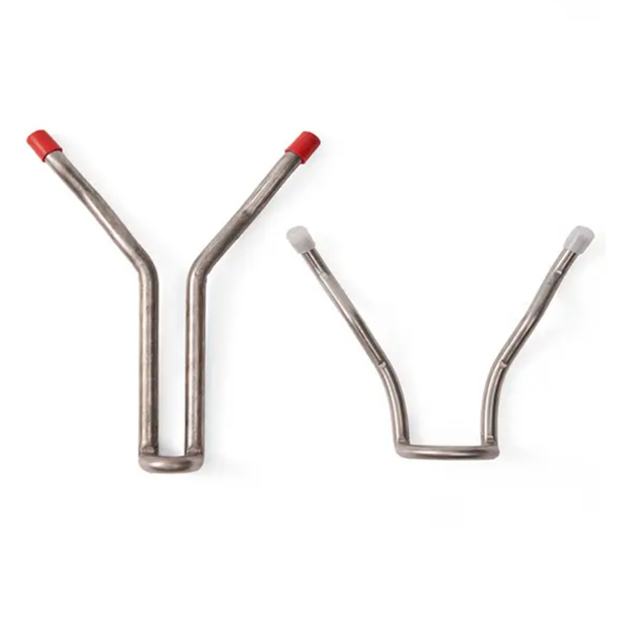
Corrosion is one of the leading issues faced by refractory anchors in high-temperature environments. When exposed to extreme heat, moisture, or corrosive chemicals, anchors made from low-quality materials can degrade. Corrosion weakens the anchors, causing them to fail in holding the refractory materials in place, which can lead to the disintegration of the refractory lining.
Corrosion also accelerates wear and tear, leading to frequent maintenance and eventually complete failure of the refractory lining. If left unaddressed, corrosion can reduce the insulation properties, causing the HRSG system to lose efficiency and require costly repairs.
To prevent corrosion, it’s essential to use corrosion-resistant materials such as stainless steel or Inconel. These alloys are specifically engineered to withstand harsh chemical and high-temperature conditions. Additionally, regular inspections and maintenance can help detect early signs of corrosion before it causes significant damage.
Another solution is the application of protective coatings to anchors, which can further enhance their resistance to corrosion. Ensuring proper sealing of refractory linings also reduces the exposure to corrosive substances, extending the lifespan of the anchors.
Material | Benefits | Ideal Applications |
Stainless Steel | Corrosion-resistant, high strength | General HRSG applications |
Inconel | Excellent resistance to oxidation and high temperatures | Extreme heat and chemical environments |
Alloy Steel | Durable and cost-effective | Moderate temperature systems |
Thermal cycling is a common occurrence in systems like HRSGs, where temperatures fluctuate rapidly. This fluctuation causes both refractory materials and anchors to expand and contract. Over time, these thermal cycles create stress on the anchors, which can cause deformation or failure.
As the materials expand and contract, the anchors must accommodate these changes. Without adequate flexibility or proper design, repeated thermal cycling can lead to anchor failure, which in turn may damage the refractory linings.
To reduce the impact of thermal expansion, it’s essential to use anchors that are designed to accommodate such changes. Flexible materials or anchors with proper spacing can help alleviate the stress caused by temperature fluctuations. Moreover, selecting anchors specifically engineered for high-temperature environments can further minimize this issue.
Design Element | Function | Benefit |
Flexible Anchors | Allow for movement during thermal cycles | Minimize stress and reduce damage |
Proper Spacing | Distribute thermal expansion evenly | Reduce the impact of temperature fluctuations |
High-Temperature Materials | Designed to withstand extreme heat | Ensure durability in HRSGs |
Anchor displacement is a common problem that arises when refractory anchors are either improperly installed or subjected to excessive mechanical stress. Displacement leads to cracks in the refractory lining, which reduces the insulating effect and can lead to heat loss or further damage.
Once the anchor is displaced, the refractory lining may no longer stay in place, leading to a breakdown of the thermal insulation. This can affect the overall efficiency of the system, potentially causing overheating or further damage to the components.
Proper installation is key to preventing anchor displacement. Ensuring that the anchors are installed correctly, with sufficient space and alignment, helps to keep them secure. Additionally, using high-quality anchors that are designed for specific operational conditions can reduce the risk of displacement. Regular inspections can help identify and correct misaligned or loose anchors before they lead to more significant issues.
Mechanical fatigue is another problem that occurs due to repeated exposure to thermal cycling, vibrations, and other mechanical stresses. Over time, these repeated forces weaken the refractory anchors, which may eventually lead to their failure or detachment from the refractory lining.
Fatigue can result in the weakening of the anchor material, causing cracks or fractures that impact the anchor's ability to hold the refractory in place. If left unchecked, this could result in the failure of the entire insulation system.
To combat mechanical fatigue, it’s critical to use high-strength materials like Inconel, which are more resistant to fatigue under extreme conditions. Additionally, choosing anchors with designs that reduce stress concentration can prolong their lifespan. Regular inspections and replacing fatigued anchors before they fail can help maintain system integrity.
In certain industrial applications, refractory anchors can be exposed to chemicals, gases, or other corrosive substances that can lead to accelerated degradation. This exposure weakens the anchors and compromises their ability to hold the refractory material in place, which can affect system performance.
Chemical degradation can occur when anchors come into contact with acids, alkalis, or other reactive substances. Over time, this causes the material to lose strength and integrity, which can lead to anchor failure.
Using anchors made from chemical-resistant alloys or applying protective coatings can help protect them from chemical degradation. It’s also important to choose the right materials that are designed to withstand the specific chemical environment in which the HRSG operates. Conducting regular checks for signs of chemical damage can help prevent long-term damage.
The selection of inappropriate anchor materials is one of the most significant causes of refractory anchor failure. Materials that are not designed to withstand the specific temperature, pressure, or chemical conditions of HRSGs will degrade more quickly, leading to premature wear and failure.
Incorrect material choices can result in anchors that corrode more rapidly or cannot endure the mechanical stresses placed on them. This leads to increased maintenance costs and system downtime.
Selecting the right materials for refractory anchors based on operational conditions is critical. Stainless steel and Inconel, known for their high strength and resistance to high temperatures, are excellent choices. When selecting materials, factors such as the temperature, pressure, and chemical exposure of the system should be considered to ensure maximum durability.
Improper installation of refractory anchors is a common issue that can affect the stability and durability of the refractory lining. Misaligned anchors or anchors that are not securely fastened may fail to provide adequate support, leading to reduced insulation and system performance.
Installation errors can cause long-term issues that affect the entire system. Even a slight misalignment can lead to anchor failure or displacement, which could result in thermal losses or equipment damage.
Proper training for installation and adherence to installation guidelines is essential to avoid errors. Automated systems or experienced professionals should be used for installation to ensure anchors are positioned correctly. Double-checking the installation process can prevent long-term issues that may arise from improper setup.
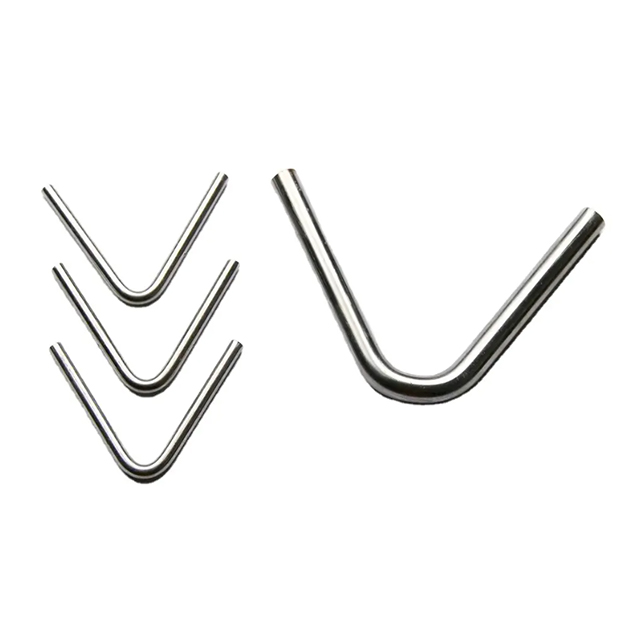
Regular inspections are essential for identifying potential problems early and ensuring that refractory anchors remain secure and functional. These inspections should be comprehensive, focusing on checking for signs of corrosion, displacement, misalignment, or any physical damage to the anchors. Corrosion, in particular, can go unnoticed until significant damage has occurred, so regular visual and non-destructive testing techniques, such as ultrasonic or magnetic particle inspection, are important for early detection.
Timely interventions during inspections can prevent minor issues from escalating into major problems, which could result in system inefficiencies, costly repairs, or even system failure. Inspections also provide valuable data that can help in predicting the remaining life cycle of anchors, allowing industries to plan proactive maintenance rather than react to unexpected failures.
Routine cleaning of refractory anchors and the surrounding refractory materials is a fundamental maintenance practice. Over time, dust, debris, and corrosive substances can accumulate on the anchors, potentially accelerating wear and tear. Cleaning helps to remove these contaminants, ensuring that the anchors remain in optimal condition and continue to provide secure support to the refractory linings.
In addition to cleaning, regularly checking for corrosion and ensuring that the anchors are securely positioned are crucial steps in prolonging the life of the refractory system. Corrosion buildup, especially in harsh chemical or high-temperature environments, can weaken the anchors and affect their holding capacity. Inspecting for any corrosion signs and addressing them early with appropriate coatings or replacement can prevent severe damage.
Another important practice is replacing worn or damaged anchors promptly. Over time, the mechanical stress and thermal cycling that refractory anchors undergo can cause them to degrade or lose their strength. If left unchecked, worn-out anchors can fail, causing shifts or displacements in the refractory lining, which could lead to thermal loss, increased maintenance costs, or even total system failure. Ensuring anchors are replaced as needed keeps the entire system functioning smoothly and efficiently.
Additionally, a record of all maintenance activities should be kept for future reference. This includes tracking inspections, cleaning, anchor replacements, and any issues that arose during the process. By maintaining detailed records, businesses can spot recurring problems, optimize maintenance schedules, and ensure that every part of the refractory anchor system is accounted for and properly cared for over time.
Upgrading to newer, more advanced materials can greatly improve the performance and longevity of refractory anchors. Materials that offer enhanced resistance to corrosion, thermal cycling, and mechanical stress help mitigate common issues such as anchor degradation and premature wear. Advanced alloys, such as those made with nickel and chromium, are known for their exceptional durability in extreme high-temperature environments. These materials not only resist oxidation but also maintain their strength and integrity under severe thermal conditions, ensuring that refractory anchors remain secure and functional for longer periods.
Another emerging material trend is the use of composite materials that combine the benefits of both metallic and ceramic properties. These composites can provide superior heat resistance and corrosion resistance, making them an excellent choice for high-stress applications in HRSGs and other industrial systems. By using these advanced materials, industries can reduce the frequency of repairs and replacements, ensuring better system reliability and lower overall maintenance costs.
Ongoing research and development into new materials for refractory anchors promise even more significant improvements in performance and durability. Scientists and engineers are continuously exploring novel materials and technologies that can withstand harsher operational conditions, including higher temperatures, more aggressive chemicals, and greater mechanical stresses.
One promising area of innovation is the development of self-healing materials. These materials are designed to automatically repair minor damages, such as cracks or wear, thereby reducing the need for immediate replacements and extending the lifespan of refractory anchors. Additionally, smart materials that monitor the condition of anchors in real time are also under development. These materials could provide valuable insights into the system’s health, enabling proactive maintenance and reducing the risk of sudden anchor failures.
With these innovations, industries can expect more robust, longer-lasting solutions for refractory anchors, improving system efficiency and reducing the overall costs associated with maintenance and repair. As these technologies continue to evolve, they hold the potential to revolutionize the way refractory anchors are used in high-temperature systems, offering even more sustainable and cost-effective solutions for the future.
Refractory anchors are crucial for the safe and efficient operation of HRSGs and other high-temperature systems. Addressing common problems like corrosion, thermal expansion, and mechanical fatigue is essential for maintaining optimal performance. By selecting the right materials, ensuring proper installation, and performing regular maintenance, industries can enhance the longevity and reliability of their refractory anchor systems.At Leader, we specialize in providing reliable, high-quality products such as refractory anchors, tube shields, heating wires, and heating elements, all designed to meet the rigorous demands of modern industrial applications. We are committed to delivering solutions that ensure optimal performance and long-term reliability. For more information or inquiries, feel free to contact us for the best industrial solutions to meet your needs.
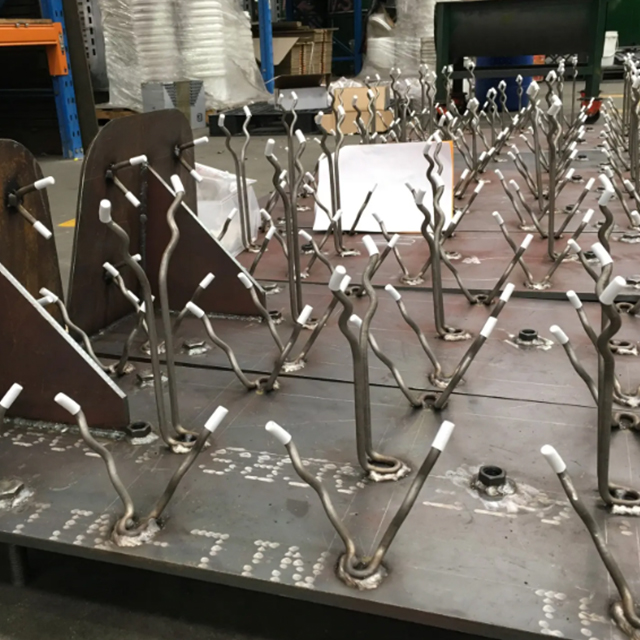
A: A refractory anchor is a metal component used to secure refractory materials in high-temperature environments like Heat Recovery Steam Generators (HRSGs). It ensures the refractory linings stay intact and perform their insulating function effectively.
A: Refractory anchors are crucial for holding the refractory linings in place within high-temperature systems. They prevent displacement, maintain thermal insulation, and protect critical components from heat damage, ensuring the system's efficient operation.
A: Common problems with refractory anchors include corrosion, thermal expansion and stress, mechanical fatigue, displacement, degradation due to chemicals, poor material selection, and installation errors. These issues can lead to system inefficiencies or failures.
A: Corrosion can weaken refractory anchors by degrading the material over time, causing them to fail at securing the refractory lining. This can lead to cracks, loss of insulation, and ultimately system damage if not addressed.


