
Views: 0 Author: Site Editor Publish Time: 2025-12-11 Origin: Site
Refractory anchors play a crucial role in the performance of Heat Recovery Steam Generators (HRSGs). These anchors secure refractory materials, ensuring they stay in place under extreme conditions. Without them, HRSGs could suffer from inefficiencies or even system failure.In this article, you will learn about the significance of refractory anchors in HRSGs and how they contribute to safe, efficient operations.
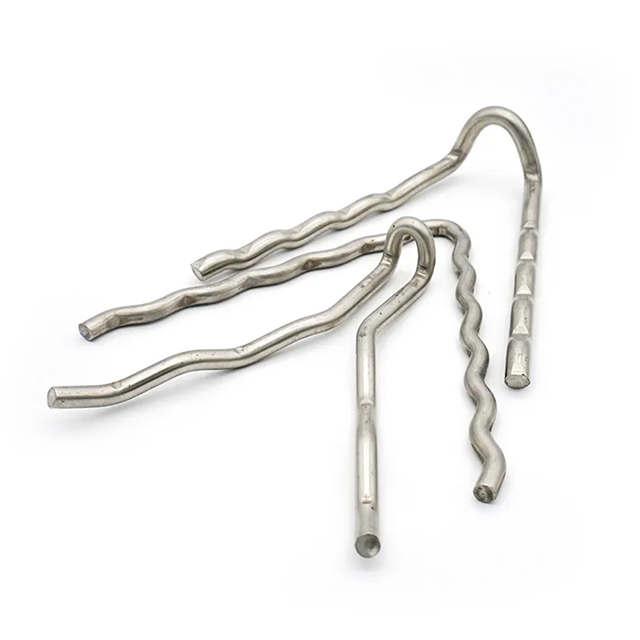
Refractory anchors are essential components in the construction and maintenance of high-temperature industrial systems like HRSGs. These anchors are typically made from high-performance metals, such as stainless steel or Inconel, chosen for their ability to withstand high heat and mechanical stress. Refractory anchors function by securely fastening refractory materials to internal surfaces, preventing them from shifting or deteriorating under the extreme thermal and mechanical conditions found in HRSGs.
Refractory materials are typically used to line the internal surfaces of HRSGs to insulate sensitive components from high temperatures. These materials must be securely fastened to avoid displacement, which could cause thermal damage, inefficiency, or equipment failure. Refractory anchors are, therefore, integral to ensuring the refractory linings stay intact and continue to provide effective protection and insulation.
Refractory anchors serve several vital functions in HRSGs, including:
● Structural Support: One of the primary roles of refractory anchors is to provide structural support to refractory linings. The anchors ensure that the refractory materials stay securely attached to the HRSG walls, preventing displacement due to high thermal cycling and mechanical stress. Without proper support, the refractory lining could shift, crack, or even detach, leading to catastrophic failure.
● Thermal Insulation: Refractory anchors help to maintain the insulating properties of the refractory linings. HRSGs operate at very high temperatures, and these linings need to keep heat contained within the system. The anchors secure the refractories in place, allowing them to perform their thermal insulating function effectively, reducing heat loss and increasing overall energy efficiency.
● Enhanced Durability: Properly anchored refractory linings are more resistant to wear and tear over time. The mechanical support provided by refractory anchors reduces the risk of damage caused by thermal stress, ensuring that the refractory materials last longer. This contributes to the overall durability of the HRSG, reducing the need for frequent repairs and replacements.
Key Functions of Refractory Anchors
Function | Description |
Structural Support | Prevents displacement of the refractory lining, ensuring it stays in place despite high temperatures and pressure changes. |
Thermal Insulation | Maintains heat resistance, ensuring that heat remains contained within the system and reducing energy loss. |
Enhanced Durability | Minimizes wear and tear by reducing the impact of thermal stress, thereby extending the overall lifespan of the HRSG. |
There are several types of refractory anchors, each designed to meet the specific needs of different HRSG applications. The choice of anchor type depends on factors such as the temperature, pressure conditions, and the mechanical stress expected in a given area.
● Pin-type Anchors: Pin-type anchors are one of the most commonly used types, especially in areas where high mechanical stress is expected. These anchors are durable and provide a secure grip on the refractory materials, ensuring they stay in place even under extreme pressure. Their design typically features a long, pin-like shape that can be embedded into the refractory material for strong adhesion.
● Ring-type Anchors: These anchors are used in applications that require larger, more secure refractory linings. Ring-type anchors provide a more even distribution of the load and can be used in areas that experience thermal stress or heavy mechanical loading. They are ideal for larger, more expansive HRSGs or for securing larger refractory panels.
● Spot Weld Anchors: Spot weld anchors are ideal for smaller HRSG designs or applications with lower thermal cycling. These anchors are welded directly to the refractory material, creating a strong bond that prevents shifting or detachment. They are less expensive and easier to install compared to pin or ring-type anchors, making them suitable for specific applications where less thermal fluctuation is expected.
Types of Refractory Anchors and Their Applications
Anchor Type | Application | Advantages |
Pin-type Anchors | Areas with high mechanical stress | High resistance to displacement and thermal cycling. |
Ring-type Anchors | Large refractory linings | Provides more secure attachment for larger linings. |
Spot Weld Anchors | Smaller HRSG designs | Cost-effective and ideal for areas with less fluctuation in temperature. |
HRSGs operate under extreme conditions, including very high temperatures and pressures. The exhaust gases fed into the system often exceed 1,000°F, and the pressure within the system can be quite substantial. These conditions can cause significant stress on both the refractory materials and the anchors. The constant thermal cycling—when the temperature fluctuates due to the operation of the HRSG—can cause materials to expand and contract. This expansion and contraction put mechanical stress on the refractory anchors, which need to remain stable despite these frequent changes.
Refractory anchors must be engineered to withstand these high-temperature and high-pressure environments. Without anchors that can handle such conditions, the integrity of the refractory lining could be compromised, leading to reduced energy efficiency and potential system failure. Therefore, choosing the right materials and anchor designs for the job is critical for HRSG performance.
Thermal Stress Effects on Refractory Anchors
Condition | Effect on Refractory Anchors |
High-Temperature Cycling | Leads to thermal expansion and contraction, causing stress on anchors. |
High Pressure | Increased mechanical load, leading to potential fatigue or deformation of anchors. |
Over time, the constant exposure to high temperatures and fluctuating pressures leads to thermal stress and material degradation. Both the refractory materials and the refractory anchors face this degradation, which can result in cracks, corrosion, or complete failure if not properly managed. Refractory anchors, in particular, are exposed to mechanical wear, thermal fatigue, and corrosion due to the harsh conditions inside HRSGs.
Proper material selection is crucial in combating these issues. Materials like Inconel, stainless steel, and other high-performance alloys are often chosen for their ability to withstand extreme temperatures and resist corrosion. These materials help prevent premature failure and ensure that the HRSG can operate at peak efficiency for an extended period.
Thermal Stress Impact on Materials
Material | Effect of Thermal Stress |
Refractory Materials | Cracking, spalling, or displacement caused by thermal cycling and stress. |
Refractory Anchors | Deformation, corrosion, and loss of grip over time due to thermal expansion and mechanical stress. |
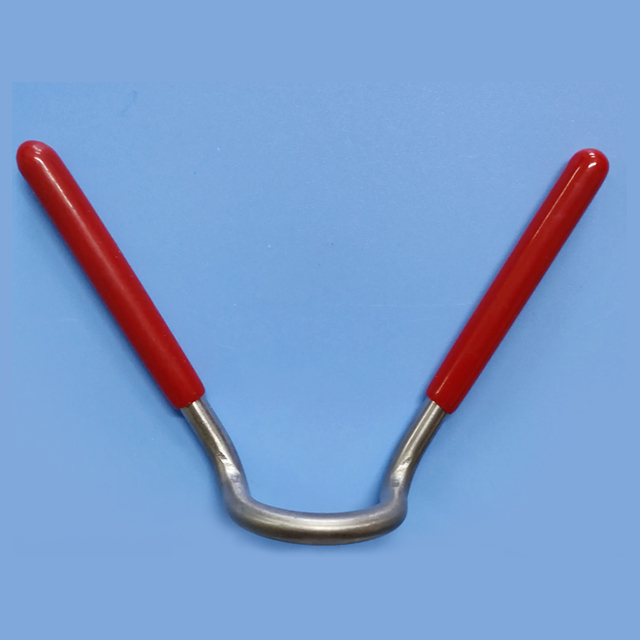
The material chosen for refractory anchors is crucial in ensuring their performance under extreme conditions. Stainless steel, Inconel, and other high-performance alloys are commonly used for this purpose. Stainless steel is resistant to corrosion and has excellent mechanical properties, making it ideal for moderate-temperature environments. Inconel, an alloy composed primarily of nickel, is highly resistant to oxidation and high temperatures, making it suitable for more extreme thermal environments like those found in HRSGs.
Selecting the right material ensures that the refractory anchors remain intact over the long term, even under the most demanding conditions. These materials are carefully chosen to provide both durability and resistance to the corrosive and high-temperature environments found within HRSG systems.
Common Materials for Refractory Anchors
Material | Benefits | Applications |
Stainless Steel | Corrosion-resistant, high strength | General HRSG applications |
Inconel | Excellent resistance to high temperatures | Extreme heat applications in HRSGs |
Alloy Steel | Good mechanical properties and durability | Moderate temperature environments |
Thermal cycling is a major challenge for refractory anchors in HRSGs. The constant expansion and contraction of materials due to changes in temperature can cause stresses that affect the anchor’s integrity. To optimize anchor performance, the design of the anchor must accommodate these temperature fluctuations. Proper spacing, shape, and placement of anchors are essential to ensure that the refractory lining remains intact during thermal cycling.
The design of refractory anchors plays a critical role in reducing the risk of cracks and other forms of degradation in the refractory lining. Anchor designs that accommodate the natural expansion and contraction of materials ensure better long-term stability and durability.
Key Design Elements for Thermal Cycling
Design Element | Purpose | Impact |
Anchor Spacing | Evenly distributes thermal stress | Reduces risk of cracks or material fatigue |
Anchor Shape | Facilitates easier expansion and contraction | Minimizes stress concentration |
Placement of Anchors | Strategic positioning for optimal support | Enhances overall system stability |
Regular inspections are vital to maintaining the effectiveness of refractory anchors. These inspections help identify potential issues, such as corrosion, displacement, or degradation, before they can lead to more severe problems. Catching these issues early can prevent costly repairs and downtime. Inspections should focus on checking the condition of the anchors, the integrity of the refractory lining, and any signs of wear or damage.
Inspection Checklist for Refractory Anchors
Inspection Focus | Recommended Frequency | Action if Issues Found |
Anchor Corrosion | Quarterly | Clean or replace anchors as needed |
Anchor Displacement | Bi-annual | Realign or replace anchors |
Refractory Integrity | Annually | Check for cracks or wear |
Refractory anchors require regular maintenance to ensure their continued performance. Cleaning the anchors periodically helps prevent corrosion caused by the accumulation of contaminants, while replacing worn or damaged anchors ensures the system’s integrity. Additionally, monitoring the overall condition of the refractory system is essential to detect any issues that may impact performance.
Refractory Anchor Maintenance Best Practices
Maintenance Task | Frequency | Benefits |
Cleaning of Anchors | Semi-annual | Prevents corrosion and buildup |
Replacing Worn Anchors | As needed | Ensures optimal anchor performance |
System Monitoring | Annually | Detects early issues, prevents failures |
High-quality refractory anchors help minimize downtime by reducing the need for frequent repairs and replacements. Proper installation and maintenance of these anchors ensure that the HRSG operates efficiently, lowering the likelihood of expensive breakdowns. Though high-performance anchors may have a higher initial cost, they offer significant savings in the long run through reduced maintenance and downtime.
While high-performance refractory anchors may be more expensive initially, their long-term benefits often outweigh the costs. These anchors have a longer lifespan, require fewer replacements, and reduce maintenance costs, making them a more cost-effective choice over time. When selecting anchor systems, it is essential to weigh the upfront cost against the potential long-term savings in maintenance and repair.
Cost Comparison of Refractory Anchor Systems
Anchor Type | Initial Cost | Maintenance Costs | Lifespan |
Standard Pin Anchors | Low | High | 5-7 years |
High-Performance Anchors | High | Low | 10+ years |
Spot Weld Anchors | Moderate | Moderate | 7-9 years |
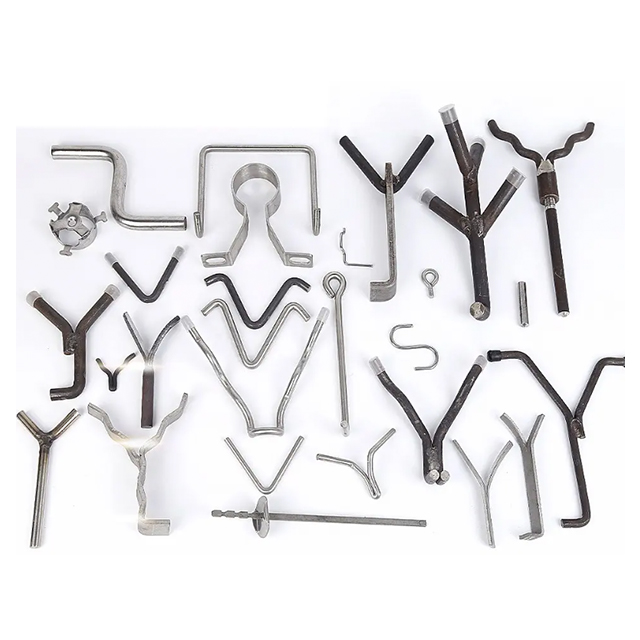
Refractory anchors are essential for the safe, efficient, and long-term operation of Heat Recovery Steam Generators (HRSGs). By selecting the right materials, optimizing anchor design, and performing regular maintenance, industries can ensure that HRSGs operate at peak efficiency. While high-performance anchors may come with a higher initial cost, their long-term benefits, such as reduced maintenance and improved system reliability, make them a wise investment.
At Leader , we specialize in providing high-quality industrial solutions, including refractory anchors, tube shields, heating wires, and heating elements. Based in Jiangsu, China, we are committed to delivering durable products that meet the stringent demands of industries such as steel, construction, and energy. Our solutions ensure long-term reliability and optimal performance for every project. Contact us today to learn more about how we can support your industrial needs.
A: A refractory anchor is used to securely hold refractory materials in place within Heat Recovery Steam Generators (HRSGs). It ensures that the refractory linings remain intact and perform their insulation function effectively under high temperatures and mechanical stress.
A: Refractory anchors are crucial because they prevent the displacement or cracking of refractory materials in HRSGs. They ensure thermal insulation and protect vital components, maintaining the efficiency and longevity of the HRSG system.
A: Choosing the right refractory anchor involves considering the operating conditions, such as temperature and pressure. High-performance materials like stainless steel and Inconel are often used for their durability and heat resistance in HRSG applications.
A: High-performance refractory anchors offer enhanced durability, reduced maintenance, and improved reliability. They can withstand extreme conditions, ensuring the HRSG operates efficiently and minimizing costly repairs over time.


