
Views: 0 Author: Site Editor Publish Time: 2026-02-05 Origin: Site
Ever wonder why furnace linings fail early? It often starts with the Refractory Anchor. In this guide, we explain what a Refractory Anchor does, how designs differ, and why material choice matters. You’ll learn the basics of anchor types, thermal performance, and real-world applications.
A Refractory Anchor is a mechanical support fixed to the steel shell of furnaces, kilns, or boilers. It holds refractory linings in position during heating and cooling cycles, helping prevent cracking, shifting, or lining collapse.
In simple terms, it acts like internal reinforcement. The anchor connects castables or fiber linings to the metal structure behind them, allowing controlled expansion while keeping everything stable. Manufacturers such as Leader Special Steel supply stainless steel refractory anchors designed specifically for furnace lining systems.
Core points customers usually care about:
● It locks refractory materials to the shell.
● It absorbs thermal movement and reduces stress damage.
● It strengthens linings in walls, roofs, and curved sections.
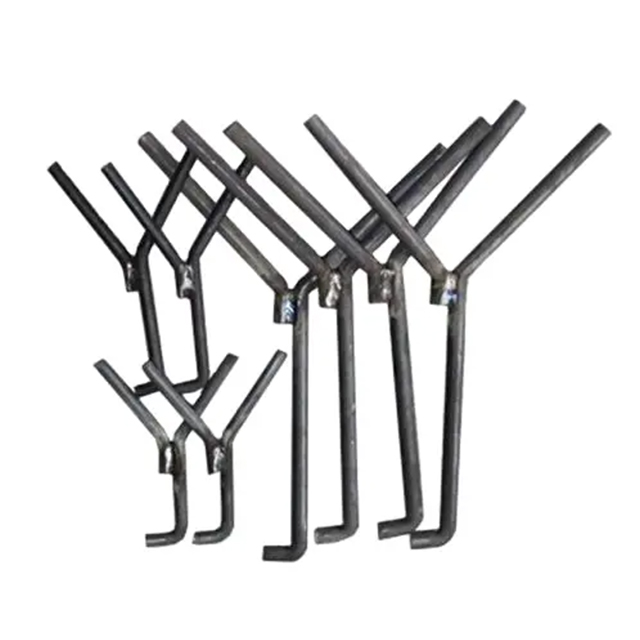
Inside high-temperature equipment, a Refractory Anchor quietly supports daily operation. It keeps linings in place, reinforces furnace walls, and helps systems stay stable under extreme heat.
In practice, anchors mainly:
● Hold refractory materials securely during thermal cycling.
● Reinforce vessel walls from the inside.
● Stabilize structures against high temperatures.
● Support the added weight of thick refractory layers.
In cement kilns and industrial furnaces, they also help limit heat loss and protect shells from abrasion. When anchors are properly selected and installed, they reduce failure risk and help extend refractory service life without adding complexity to the system.
Different Refractory Anchor shapes exist because furnaces fail in different ways—heat pushes, weight pulls, vibration shakes. Anchor geometry helps manage all three. In real projects, shape choice directly affects load transfer and lining stability.
Common patterns and how they’re typically used:
Anchor Shape | Primary Purpose | Typical Application |
V-Type | Directional load resistance | Dense castables on vertical walls |
Y-Type | Multi-point stability | High-vibration or rotating zones |
U / W Waved | Even load distribution | General furnace linings |
In practice, installers often follow simple rules:
● Heavy castables usually pair well with V or Y types.
● General wall linings often use U or W waved anchors for smoother stress sharing.
● Areas exposed to vibration favor Y-type designs.
Manufacturers such as Leader Special Steel supply these shapes in stainless steel for kiln and furnace environments, allowing buyers to match anchor geometry to real operating conditions.
Anchor structure matters just as much as anchor shape. Most projects use either monolithic or modular designs, depending on access and installation conditions.
● Monolithic anchors use a single-piece construction. They offer higher rigidity and are common in new linings where space is open and layouts are simple. They stay firm once welded, which helps support heavy refractory loads.
● Modular anchors come in multiple parts. They are easier to handle during retrofits and repairs, especially inside confined vessels. Installers can assemble them on-site, saving time in tight areas.
From a practical view:
● Monolithic designs favor strength and simplicity.
● Modular systems favor flexibility and easier access.
● Both rely on correct spacing and height to avoid lining stress.
Anchor selection also depends on refractory depth and surface geometry. Thin insulation behaves differently from thick castables, so anchors must match the structure they support.
Engineers usually consider:
● Thin linings vs thick castables
● Flat walls vs curved shells
● Roof sections vs vertical surfaces
Typical lining depths range from light insulation to heavy structural castables. Anchor height is set to reach deep into the refractory while staying away from the hot face. Roof areas need closer spacing. Vertical walls allow wider layouts. Curved shells often require shorter anchors but higher density.
Not every Refractory Anchor works in every furnace. Temperature level, atmosphere, and thermal cycling all influence material choice. That’s why industrial suppliers like Leader Special Steel focus on specific stainless grades for refractory systems.
In real projects, buyers most often compare these three options:
● 304 stainless steel works well in moderate heat zones. It offers solid corrosion resistance and is commonly used where temperatures stay relatively stable.
● 310S stainless steel handles higher operating temperatures. It resists oxidation better, making it suitable for hot-face areas and cement kiln linings.
● 253MA stainless steel performs best in cyclic heat environments. It provides stronger creep resistance when equipment heats up and cools down repeatedly.
Here’s a simple comparison for quick reference:
Stainless Grade | Heat Capability | Typical Use Area |
304 | Moderate | General furnace walls |
310S | High | Hot zones, kilns |
253MA | High + cycling | Thermal shock areas |
Most projects don’t need all three. The goal is to match alloy performance to actual operating conditions, not overdesign.
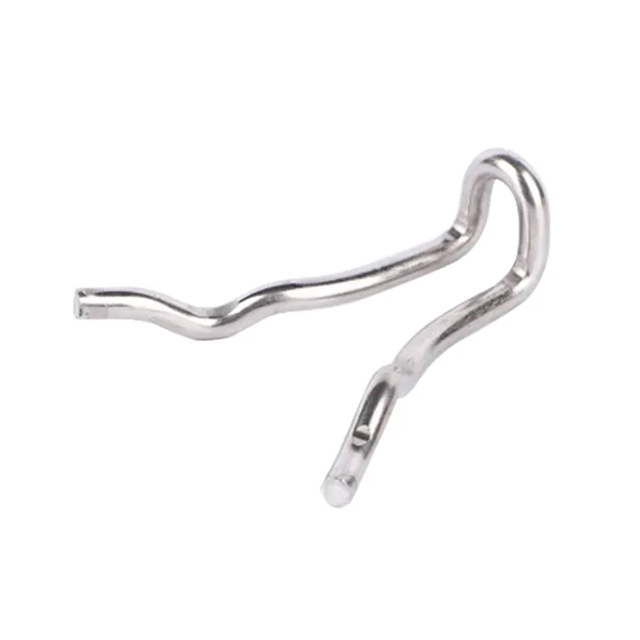
Material choice directly affects how long a Refractory Anchor survives inside equipment. Anchor tips sit closest to the hot face, so they see the highest temperatures first. If the alloy can’t handle that heat, oxidation starts. Burnout follows. Lining damage often comes next.
From a practical standpoint, alloy selection controls:
● How well anchors resist oxidation at peak temperature
● How they tolerate repeated expansion and contraction
● How long the refractory lining stays supported
Common problems caused by poor material matching include:
● Early anchor thinning from oxidation
● Loss of mechanical strength at the tip
● Premature lining cracking or detachment
A Refractory Anchor does more than hold lining in place. Its design controls how heat, weight, and movement travel through the refractory system. In many industrial projects, lining damage starts at the anchor—not the castable. When spacing is uneven or height is wrong, stress concentrates fast.
Common failure triggers buyers should know:
● Anchors fail to manage thermal expansion, so cracks appear near hot zones.
● Wall buckling happens when anchors cannot balance refractory weight.
● Poor sizing causes lining separation, especially on vertical surfaces.
From field experience, problems usually come from design or installation, not material alone. That’s why manufacturers like Leader Special Steel focus on anchor geometry, alloy selection, and layout guidance—not just supplying hardware.
Typical risk areas include:
Design Issue | What Happens | Result |
Anchor too short | Weak load transfer | Early lining sag |
Spacing too wide | Local stress buildup | Cracking |
Wrong alloy | Tip oxidation | Burnout |
Anchor design follows a few practical rules. They are simple, but they matter.
First, anchor height usually reaches 75–85% of lining thickness. This keeps the tip away from the hot face while still supporting the refractory mass. Second, anchor tips must allow movement. Installers often use wax, sleeves, or tape so steel can expand without tearing the lining.
Spacing changes by zone. Roof sections need tighter layouts. Flat walls allow wider patterns. Curved shells require higher anchor density.
Key points engineers usually consider:
● Anchor height follows refractory depth, not shell thickness.
● Tip expansion space prevents stress cracking.
● Spacing adapts to geometry and temperature zones.
When these basics are ignored, even high-grade anchors cannot prevent lining damage.
In cement kilns and heavy industrial furnaces, Refractory Anchors work under constant heat and vibration. They quietly support daily production.
In real applications, they help:
● Stabilize heavy manufacturing equipment during operation.
● Reduce heat loss by keeping linings tight against kiln shells.
● Protect steel surfaces from clinker abrasion and impact.
They also improve thermal efficiency by limiting lining gaps, which helps plants maintain consistent process temperatures. In high-load zones, anchors carry increasing refractory weight as linings age and densify.
Refractory Anchor systems support linings, manage heat movement, and protect industrial equipment. Proper shape, material, and spacing reduce cracking and extend service life. Leader Special Steel supplies stainless steel Refractory Anchor solutions designed for furnaces, kilns, and heavy-duty environments.
A: A Refractory Anchor secures refractory linings to steel shells. It controls movement during heating, supports lining weight, and helps prevent cracking or collapse in furnaces and kilns.
A: A Refractory Anchor keeps linings tight, reduces heat loss, stabilizes walls, and protects shells from abrasion, helping equipment run longer and more efficiently.
A: Refractory Anchor shape depends on lining thickness and geometry. V-types suit heavy castables, Y-types handle vibration, and U/W designs spread load on general walls.
A: Anchor tips face the highest heat. Using the correct stainless grade reduces oxidation, avoids burnout, and extends refractory lining durability.
A: Common signs include lining cracks, sagging walls, rising heat loss, or early anchor failure, often caused by poor spacing, wrong height, or incorrect alloy choice.


