
Views: 0 Author: Site Editor Publish Time: 2025-12-11 Origin: Site
Industrial boilers and furnaces are vital to many industries, powering essential processes. Understanding the furnace components is crucial for engineers aiming to improve efficiency and safety. In this article, you will learn about the key furnace components, their roles, and how they contribute to the performance of these systems.
The pressure vessel is the core part of any boiler or furnace. It contains water or steam under high pressure, generating the heat needed for industrial processes. It is built to withstand high temperatures and pressure, ensuring the safe generation of heat and maintaining system reliability.
● Role: The pressure vessel holds water or steam under pressure to generate heat.
● Importance: Ensures safe operation by maintaining temperature and pressure levels, preventing failure or accidents in high-pressure systems.
The furnace burner ignites fuel to create the heat necessary for heating or processing materials. The efficiency of the burner has a direct impact on the energy consumption and the quality of heat produced in the furnace.
● Role: Ignites fuel to produce heat within the furnace.
● Importance: The efficiency of the burner influences fuel consumption, combustion efficiency, and overall system performance.
The heat exchanger transfers heat from the combustion gases to the water or steam in the boiler. It is designed to maximize heat recovery, thereby improving the energy efficiency of the furnace and boiler system.
● Role: Transfers heat from the exhaust gases to the feedwater.
● Importance: Maximizes energy recovery and minimizes waste, improving furnace efficiency and reducing operating costs.
The economizer uses exhaust gases to preheat the incoming feedwater, reducing the amount of energy required to heat the water. This component is essential for improving boiler and furnace efficiency.
● Role: Recovers waste heat from exhaust gases to preheat feedwater.
● Importance: Reduces fuel consumption and increases overall system efficiency by utilizing waste heat.
The combustion chamber is where fuel is burned to produce heat. It is designed to handle extreme temperatures and direct the heat towards the heat exchanger for efficient energy transfer.
● Role: Burns fuel to generate heat for the furnace or boiler.
● Importance: The design of the combustion chamber affects the heat transfer efficiency and combustion process, ensuring that heat is effectively captured and utilized.
The furnace lining is an essential component that protects the walls of the furnace from the intense heat generated by combustion. It acts as a barrier between the furnace and the external structure, preventing heat loss and protecting the furnace's integrity.
● Role: Protects the furnace walls from extreme temperatures and thermal stress.
● Importance: High-quality furnace linings prevent heat loss, maintain operational efficiency, and extend the lifespan of the furnace.
The furnace fan is responsible for maintaining airflow within the furnace. Proper airflow ensures efficient combustion by supplying the required oxygen for the combustion process.
● Role: Provides airflow for efficient combustion.
● Importance: Proper air distribution improves combustion efficiency, reduces fuel consumption, and minimizes harmful emissions.
The flue gas system directs the exhaust gases produced during combustion out of the furnace. This system plays a crucial role in ensuring proper ventilation and reducing the environmental impact of the furnace’s operation.
● Role: Directs exhaust gases safely out of the furnace.
● Importance: Proper ventilation prevents harmful gases from accumulating inside the furnace and helps reduce environmental pollution.
The furnace control system monitors and regulates furnace temperature, pressure, and other key parameters. It ensures that the furnace operates within safe and optimal conditions, improving performance and safety.
● Role: Monitors and controls furnace parameters such as temperature and pressure.
● Importance: Maintains furnace safety, prevents overheating, and ensures the furnace runs efficiently.
Refractory anchors are used to secure the refractory linings inside the furnace or boiler. These anchors help prevent the refractory material from cracking or shifting under extreme heat and pressure, which could compromise the performance of the furnace.
● Role: Secure the refractory lining inside the furnace or boiler.
● Importance: Prevents the refractory from shifting or cracking under high heat and pressure, ensuring the furnace or boiler remains stable and efficient.
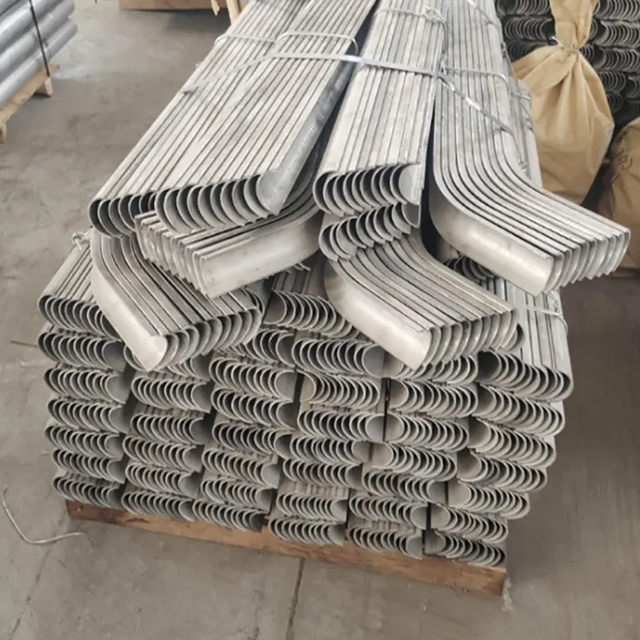
Boiler tube shields protect the boiler tubes from excessive heat and corrosive gases within the system. By shielding the tubes, these components help maintain tube integrity and ensure efficient heat transfer.
● Role: Protects boiler tubes from heat and corrosion.
● Importance: Ensures the longevity of boiler tubes and optimizes heat transfer for improved efficiency.
Our boiler tube shields are built for durability and can help enhance the operational reliability of your boiler system.
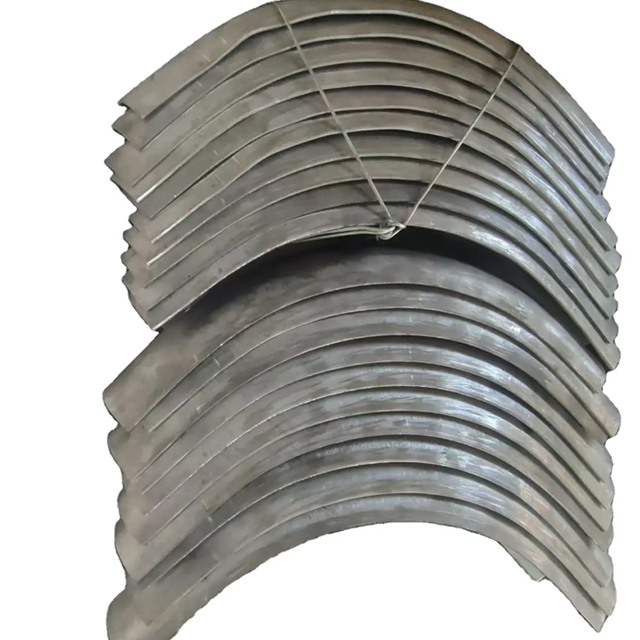
Boiler tube hangers secure and suspend the boiler tubes, ensuring proper alignment and preventing distortion under heat and pressure. Proper alignment is crucial for maintaining system efficiency and safety.
● Role: Securely suspends boiler tubes.
● Importance: Prevents tube misalignment or distortion, ensuring safe and efficient operation of the system.
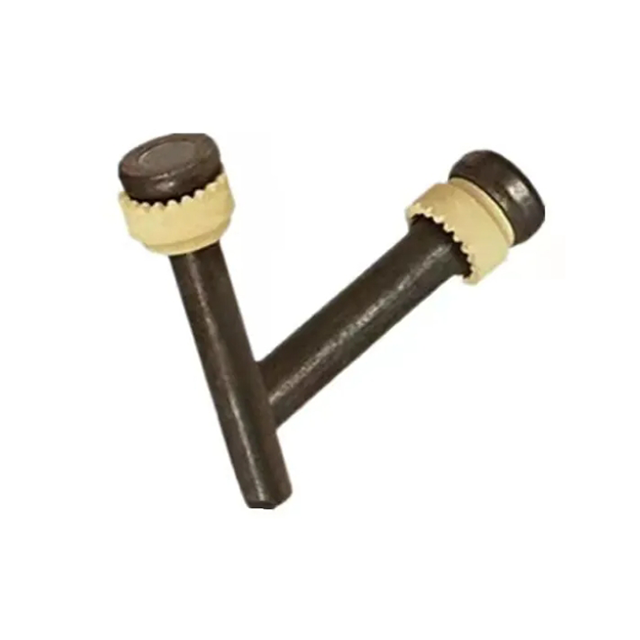
Welding studs are used to attach various components, such as refractory linings and insulation, to the furnace or boiler structure. These studs provide secure attachment points, ensuring the stability of the system during high-temperature operations.
● Role: Provides secure attachment points for components.
● Importance: Ensures that components are securely attached to prevent failures during high-temperature operations.
Proper maintenance of your boiler and furnace components is crucial for ensuring their long-term efficiency, safety, and optimal performance. Boilers and furnaces are complex systems that rely on many interconnected parts to function effectively. Regular maintenance can prevent costly repairs, extend the lifespan of equipment, and avoid unexpected breakdowns. Below, we’ll look at the key elements of maintenance and the reasons why they’re so important.
Regular inspections of furnace components and boiler parts are critical for identifying potential issues early, before they result in system failures. These inspections should be carried out by qualified technicians who can assess the overall condition of key components, such as the heat exchanger, burners, and safety controls. Inspections may include checking for leaks, worn seals, corrosion, and any signs of unusual wear or damage.
● Role: Regular inspections help detect issues early on, preventing more serious problems from developing that could lead to system failure or a costly breakdown.
● Importance: Identifying and addressing potential issues proactively ensures that the system operates safely and efficiently. This helps avoid the expense of emergency repairs and reduces the risk of extended downtime, particularly during peak heating or cooling seasons.
● Enhances safety by identifying potential hazards, such as gas leaks or electrical malfunctions.
● Improves system reliability by addressing minor issues before they become major problems.
● Helps maintain compliance with local regulations and safety standards.
Routine cleaning is essential for maintaining the performance of key components such as heat exchangers, burners, fans, and filters. Over time, dust, soot, debris, and combustion byproducts can build up on these components, reducing their efficiency and performance. For example, a dirty heat exchanger may hinder heat transfer, forcing the system to work harder and consume more energy to maintain the desired temperature.
● Role: Cleaning ensures that furnace and boiler components remain free from debris and buildup, allowing the system to function efficiently and effectively.
● Importance: Clean components enhance heat transfer, optimize energy consumption, and improve overall system performance. Regular cleaning also reduces the wear and tear on components, which helps extend the lifespan of the system and prevent unnecessary breakdowns.
● Reduces energy costs by ensuring that the system operates at peak efficiency.
● Increases comfort by maintaining consistent heating or cooling output.
● Prevents corrosion and other damage caused by the buildup of residues and contaminants.
While regular maintenance and cleaning can keep your system in good working order, certain furnace components and boiler parts will eventually wear out and need replacing. Parts like burners, valves, pumps, seals, and thermostats have a finite lifespan, and once they reach the end of their useful life, they can no longer perform effectively. Neglecting to replace worn-out components can lead to system inefficiency, poor performance, and even dangerous malfunctions.
● Role: Timely replacement of worn or damaged parts ensures that the furnace or boiler continues to function at optimal levels without compromising performance or safety.
● Importance: By replacing components before they fail, you can prevent further damage to the system, avoid unplanned breakdowns, and maintain the operational safety and efficiency of the heating system. This helps prevent expensive repairs and increases the overall lifespan of the equipment.
● Reduces the risk of breakdowns and emergency repairs, which can be costly and disruptive.
● Improves system performance and efficiency by replacing outdated or damaged parts with newer, more effective components.
● Helps maintain a safe operating environment by preventing potential safety hazards, such as leaks or malfunctions.
In addition to regular cleaning, inspection, and component replacement, it's essential to periodically calibrate and adjust the furnace or boiler system to ensure it operates within optimal parameters. Over time, settings can become misaligned, leading to inefficiencies, increased wear, and even safety risks. Proper calibration involves adjusting the fuel-air mixture, burner settings, pressure levels, and other key parameters to ensure that the system is running as efficiently and safely as possible.
● Role: Calibration ensures that the system is operating at the correct settings to maximize efficiency and prevent damage.
● Importance: Well-calibrated systems use less fuel and operate more efficiently, reducing energy consumption and preventing unnecessary wear on components.
● Increases the reliability of the system, as properly adjusted settings can extend the life of components.
● Enhances fuel efficiency, reducing energy costs and minimizing environmental impact.
● Ensures that the system is operating safely, preventing issues such as overheating, pressure build-up, or improper combustion.
A well-maintained furnace or boiler system operates at peak efficiency, meaning that it uses less energy to provide the same level of comfort. Energy-efficient systems consume less fuel, which results in lower energy bills. Over time, the savings from reduced energy consumption can offset the cost of regular maintenance and repairs.
● Role: Regular maintenance improves the overall energy efficiency of the system, ensuring that it uses fuel more effectively and produces optimal heat output.
● Importance: Maintaining energy efficiency reduces the operational costs of running the system and helps lower greenhouse gas emissions, contributing to a more sustainable and eco-friendly operation.
● Reduces your carbon footprint by using less fuel to heat or cool the space.
● Helps meet environmental regulations by ensuring the system operates within approved efficiency standards.
● Increases the resale value of the system, as energy-efficient units are often more desirable in the marketplace.
Understanding the critical furnace components and boiler parts is essential for engineers who are responsible for ensuring the efficiency, safety, and longevity of these systems. From the pressure vessel to the furnace burner, each component plays a vital role in optimizing performance. Regular maintenance, inspections, and timely component replacement are key to avoiding costly breakdowns and improving system lifespan. At Leader, we offer high-quality components like refractory anchors, boiler tube shields, and welding studs to support the efficient and reliable operation of your furnace and boiler systems.
A: The key furnace components in industrial boilers include the burner, heat exchanger, pressure vessel, combustion chamber, and economizer. Each part plays a critical role in generating heat, transferring energy, and maintaining safe and efficient boiler operation.
A: The pressure vessel is essential as it holds water or steam under high pressure, enabling efficient heat generation. It ensures safe operation by maintaining high temperature and pressure conditions without compromising the system’s integrity.
A: The furnace burner ignites fuel, generating heat necessary for processing materials. Its efficiency directly impacts fuel consumption, heat quality, and energy efficiency, making it a vital component in the overall furnace system.


