
Views: 0 Author: Site Editor Publish Time: 2026-02-05 Origin: Site
Ever wondered how castable anchors help prevent refractory failure? These crucial components secure linings in extreme heat conditions. In this article, you’ll learn how they work, their benefits, and why the right selection and installation are essential.
Castable anchors are metallic or ceramic elements embedded within refractory linings in industrial furnaces, kilns, and reactors. Their primary role is to secure the refractory material, ensuring it remains intact despite the extreme conditions of high heat, thermal expansion, and mechanical stress. These anchors play a vital role in preventing the refractory from shifting, cracking, or collapsing under the intense heat generated during operations.
Castable anchors provide critical support to refractory linings by managing thermal expansion and preventing cracking. As the temperature fluctuates within furnaces, the refractory materials undergo expansion and contraction. Without proper support, these materials can crack or break, leading to costly repairs and downtime. Castable anchors absorb these stresses, allowing the refractory to expand and contract naturally while maintaining its integrity.
In addition to offering thermal stress management, these anchors also contribute to the longevity of refractory linings. By securing the material and preventing premature wear, they extend the service life of the lining and reduce the need for frequent maintenance. For example, castable anchors manufactured by Leader Special Steel are known for their exceptional durability and resistance to high-temperature fluctuations, ensuring optimal performance over extended periods.
Key Benefits:
● Thermal Expansion Management: Prevents cracks and failures from temperature changes.
● Increased Durability: Extends the lifespan of refractory linings.
● Reduced Maintenance Costs: Minimizes downtime and repair needs.
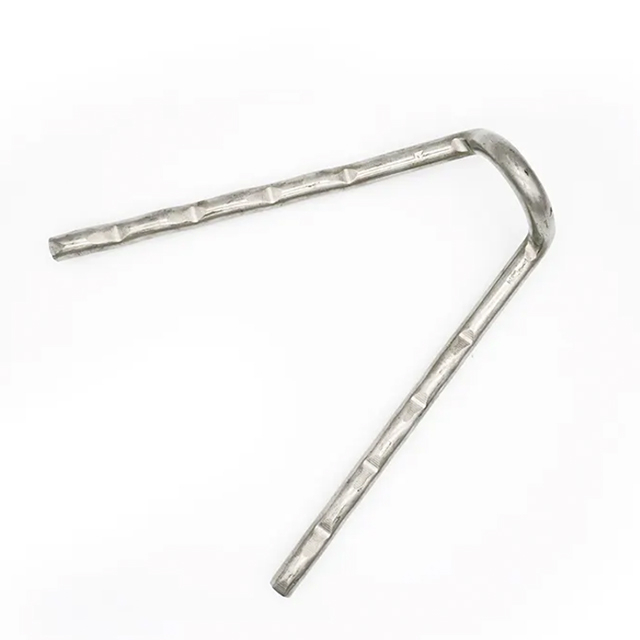
Y-Type castable anchors are designed for high-temperature applications such as furnaces and kilns. They are ideal for environments where extreme heat and thermal stress are constant factors. These anchors provide excellent retention for castable refractories, ensuring that the lining stays securely in place even under the harshest conditions.
Benefits of Y-Type Anchors:
● High-Temperature Performance: Suitable for furnace linings exposed to temperatures over 2000°F.
● Strong Retention: Provides stable support for castables, preventing movement that could lead to failure.
V-Type anchors are commonly used for lower-density refractory linings. They are a cost-effective option for moderate thermal cycling applications, making them ideal for environments that don’t experience the extreme temperatures seen in more demanding applications like furnaces.
Key Features of V-Type Anchors:
● Cost-Effective: Ideal for industries with budget considerations while maintaining reliability.
● Suitable for Moderate Thermal Cycling: Perfect for applications where temperature fluctuations aren’t extreme.
U-Type castable anchors offer flexibility in supporting complex refractory designs. These anchors are perfect for large-scale projects with unique, intricate refractory setups, such as those found in cement plants or large furnaces. Their ability to bend and support different configurations makes them indispensable for industries with specialized needs.
Why Choose U-Type Anchors:
● Flexibility: Ideal for complex and large-scale refractory designs.
● Versatility: Supports a range of configurations, making them perfect for customized applications.
Ceramic anchors are used in environments where metal anchors may degrade due to oxidation or chemical attacks. These anchors are crafted from high-performance ceramics that provide non-metallic reinforcement, making them a perfect solution for applications where the refractory may be exposed to aggressive chemical environments or extreme oxidation.
Advantages of Ceramic Anchors:
● Resistant to Oxidation and Chemical Attacks: Perfect for harsh environments where metals may fail.
● Non-Metallic: Ideal when metal anchors cannot withstand the operating conditions.
Leader Special Steel also provides ceramic anchors that meet the highest standards of corrosion and heat resistance, ensuring superior performance in aggressive environments.
Anchor Type | Ideal Use | Key Benefits |
Y-Type | High-temperature applications | Strong retention, excellent thermal resistance |
V-Type | Moderate thermal cycling | Cost-effective, reliable support |
U-Type | Complex refractory designs | Flexibility and versatility |
Ceramic | Chemical and oxidation-resistant environments | Resistant to corrosion, non-metallic support |
When selecting castable anchors, the material choice is crucial to ensure optimal performance in high-temperature environments. Common material options include stainless steel grades such as 304, 310, and 316, as well as heat-resistant alloys like Inconel. These materials are specifically chosen for their strength, durability, and ability to withstand high heat and thermal cycling.
● Stainless Steel: Offers corrosion resistance and strength in moderately high-temperature applications.
● Heat-Resistant Alloys: Required for extreme temperatures and environments where stainless steel may degrade.
● Material Suitability: The selected anchor material must align with the temperature and chemical conditions the anchor will face in the operating environment.
Leader Special Steel uses premium stainless steel alloys and other high-performance materials for castable anchors, ensuring they can handle the most demanding conditions without compromising strength or reliability.
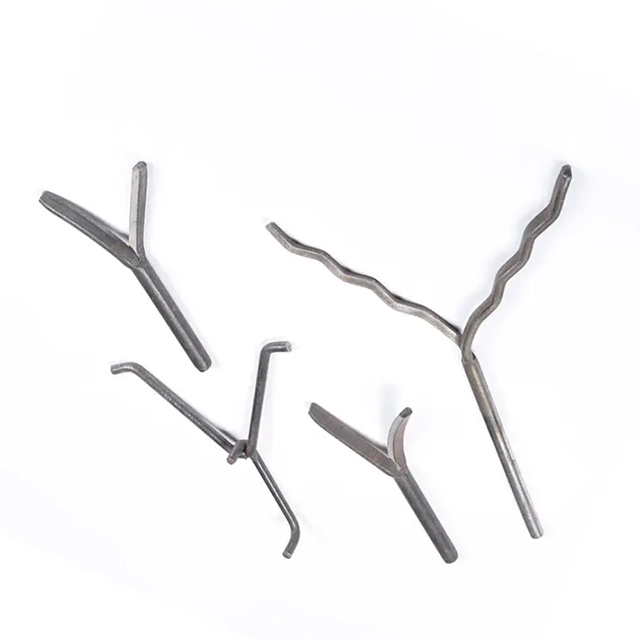
To ensure the longevity and efficiency of the refractory lining, the anchor must be compatible with the refractory material used. The design of the anchor should account for the composition and thickness of the refractory lining. Properly designed anchors prevent the refractory from cracking, shifting, or buckling under thermal and mechanical stress.
● Material Compatibility: Choose anchors that complement the refractory material’s expansion and contraction properties.
● Anchor Design: The design should maximize the surface contact area, ensuring the anchor firmly supports the refractory.
● Thickness Considerations: The anchor must penetrate sufficiently deep into the refractory to provide strong, long-lasting support.
Ensuring this compatibility will improve the refractory’s ability to withstand thermal fluctuations, enhancing overall system performance.
The placement and density of the anchors are vital for ensuring the proper distribution of thermal stress across the refractory lining. Too few anchors can lead to weak points that may result in failure, while excessive density may cause unnecessary stress on the material. Achieving the right balance of anchor spacing will increase the refractory’s lifespan and performance.
Key Considerations:
● Spacing: Proper spacing ensures uniform load distribution, preventing localized stress.
● Density: Optimal density is required for even support without compromising material integrity.
● Load Distribution: Well-spaced anchors enhance stability and reduce the risk of cracks or failure.
Anchor spacing varies depending on the application, and it’s essential to assess the specific requirements of each environment to achieve the ideal setup.
Each castable anchor must be selected based on the operational conditions, including temperature range and exposure to chemicals. Different industrial environments expose anchors to varying levels of heat, mechanical stress, and chemical attack. These factors all influence the anchor material and design choices.
● Temperature Range: High-temperature environments demand anchors made from materials with excellent heat resistance, such as those offered by Leader Special Steel.
● Chemical Exposure: In environments with high chemical exposure, anchors must be resistant to corrosion and degradation.
● Environmental Stress: Temperature fluctuations, vibration, and exposure to chemicals all affect the anchor’s performance, making it essential to select the right type.
Leader Special Steel expertly accounts for these operational conditions during the design and manufacturing process, offering castable anchors that withstand extreme temperatures and challenging environments.
Key Factor | Consideration | Material Options |
Temperature Range | Extreme heat demands heat-resistant alloys | Stainless Steel, Inconel |
Chemical Exposure | Resistance to chemical degradation | Ceramic, Heat-Resistant Alloys |
Anchor Density | Uniform distribution of thermal stress | Customized for application needs |
Refractory Compatibility | Ensure anchor complements refractory properties | Stainless Steel, Ceramic |
When installing castable anchors, selecting the right size and determining the ideal placement is crucial to ensuring the refractory lining performs optimally. Understanding the temperature gradient within the furnace or kiln helps determine the right anchor size. Anchors that are too small may not provide adequate support, while anchors that are too large can create stress points and cause failure.
● Temperature Gradient Consideration: The closer the anchor is to the hot face, the more heat and stress it will endure. Ensure proper anchor size and depth based on this heat distribution.
● Anchor Placement: The spacing and positioning of anchors must be done in a staggered manner to allow even load distribution across the refractory lining.
Leader Special Steel manufactures anchors specifically designed to handle extreme thermal conditions, ensuring the right size and placement for industrial applications.
The installation of castable anchors requires secure welding techniques to ensure they remain attached during high-temperature operations. Improper welding can lead to anchor detachment, compromising the structural integrity of the refractory lining.
Best Welding Practices:
● High-Quality Welds: Use durable, heat-resistant welding techniques to ensure that anchors stay in place under thermal cycling conditions.
● Pre-Welding Inspection: Before welding, ensure that the anchor and the refractory lining are clean and free of contaminants that could weaken the weld.
● Welding Equipment: Use the right welding tools and techniques to prevent weakening from high temperatures or mechanical stress.
By following proper welding practices, anchors will stay securely fixed, preventing any detachment during intense heating and cooling cycles.
One of the most critical considerations during installation is allowing for thermal expansion. Refractory materials, like all materials, expand when heated and contract when cooled. Without proper space for this movement, stress will build up, leading to cracks and premature failure of both the anchor and the refractory material.
● Expansion Gaps: Ensure there is enough room between anchors to accommodate thermal expansion without creating excessive stress.
● Anchor Flexibility: Choose anchors that are flexible enough to allow for the natural expansion and contraction of the refractory material.
● Thermal Stress Management: Proper installation practices reduce thermal stress buildup, preventing cracks and preserving the longevity of the refractory lining.
Leader Special Steel ensures that their castable anchors are designed with sufficient expansion allowance, making them reliable for high-temperature applications with fluctuating heat conditions.
Installation Consideration | Best Practice | Why It's Important |
Anchor Size | Match size to temperature gradient | Ensures sufficient support and prevents failure |
Anchor Placement | Staggered pattern for even load distribution | Prevents stress points and improves lining stability |
Welding Quality | Use high-quality welding techniques | Ensures anchors stay in place under high temperatures |
Thermal Expansion | Allow space for expansion | Prevents cracking and preserves lining integrity |
The article explains the importance of castable anchors in high-temperature industrial environments. These anchors secure refractory linings in furnaces, kilns, and reactors, preventing damage caused by thermal stress and mechanical wear.
Leader Special Steel manufactures durable castable anchors that provide reliable support, ensuring enhanced efficiency, reduced maintenance costs, and extended refractory life in extreme heat conditions.
A: Castable anchors are metallic or ceramic elements used to secure refractory linings in high-temperature environments, ensuring stability and preventing damage.
A: Castable anchors absorb thermal expansion and distribute mechanical stress, preventing cracks and ensuring the refractory lining remains intact.
A: Correct placement ensures even distribution of thermal stress, preventing weak points and improving the refractory lining's longevity.
A: Common materials include stainless steel (304, 310, 316) and heat-resistant alloys, selected for their strength and heat resistance.
A: Leader Special Steel manufactures high-quality anchors that withstand extreme temperatures, offering durability and ensuring long-term refractory performance.


