
Views: 0 Author: Site Editor Publish Time: 2025-12-11 Origin: Site
Did you know that small components like refractory anchors can have a huge impact on steel plant efficiency? These often-overlooked parts are critical for securing refractory linings in high-temperature systems. Without them, steel plants face significant energy loss and inefficiency. In this article, we will explore the crucial role of refractory anchors in steel plants, the challenges they face, and the high-quality solutions that ensure optimal performance and longevity.
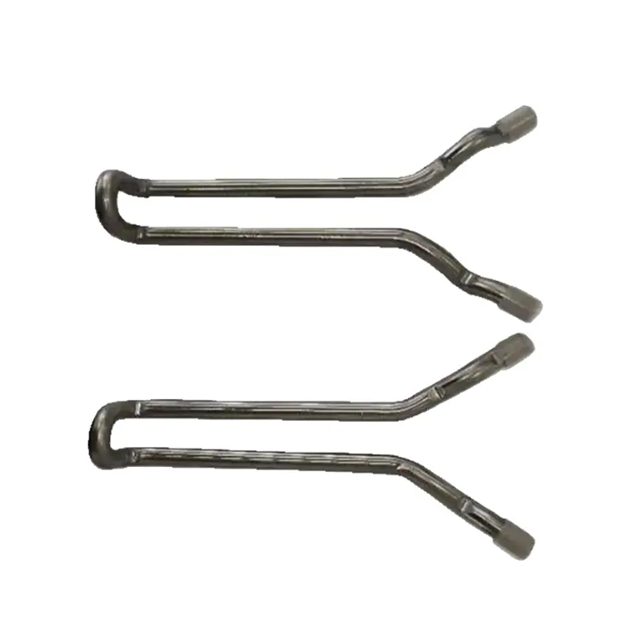
Refractory anchors are metal fasteners designed to hold refractory linings in place within high-temperature systems, such as blast furnaces and electric arc furnaces. These anchors are critical because they prevent the refractory material from shifting or becoming misaligned due to constant exposure to extreme heat, thermal cycling, and mechanical stress.
The primary function of refractory anchors is to keep the refractory linings securely fixed, ensuring that they maintain their insulating properties and protect the steel production equipment. Without effective anchoring systems, the refractory linings could dislodge, leading to increased heat loss, damage to the furnace structure, and a reduction in overall efficiency.
Refractory anchors are made from durable materials like stainless steel, Inconel, or other alloys that can withstand extremely high temperatures and aggressive chemical environments. The strength and resilience of these anchors are vital for ensuring the consistent performance of steel plants.
Refractory anchors play a vital role in ensuring optimal heat retention, which is one of the primary factors in the efficiency of steel manufacturing. Steel production requires the furnace to operate at extremely high temperatures, and refractory linings are essential for insulating these systems. The anchors ensure that these linings stay securely in place, preventing them from shifting under the pressure of thermal cycling.
When refractory materials are properly anchored, they can maintain their insulation properties for longer periods, reducing the amount of heat lost from the system. This, in turn, reduces the amount of energy needed to maintain the required temperature levels. Furthermore, well-maintained refractory anchors help avoid premature wear and damage to the furnace's structure, thus reducing the frequency of repairs and maintenance costs.
Corrosion is one of the most significant threats to refractory anchors in steel plants. The harsh environment within furnaces, where molten metal, slag, and chemicals are present, accelerates the degradation of the anchors. Corroded anchors weaken and lose their ability to hold the refractory linings in place. As a result, refractory materials can become displaced, leading to increased thermal inefficiency, energy loss, and even the risk of catastrophic failure.
The solution to corrosion is to select high-performance materials like Inconel and stainless steel, which offer superior resistance to heat, corrosion, and chemicals. Applying protective coatings to anchors can further enhance their resistance to corrosion. Regular inspections and maintenance are essential to identify any early signs of corrosion, allowing operators to take corrective actions before they cause significant damage.
Material | Benefits | Ideal Applications |
Inconel | High resistance to heat, corrosion, and oxidation | High-temperature, corrosive environments |
Stainless Steel | Corrosion-resistant and cost-effective | Standard high-temperature environments |
Nickel-Chromium Alloys | Superior durability in extreme conditions | Areas with high heat and chemical exposure |
Steel production involves extreme temperature fluctuations, especially in blast furnaces and electric arc furnaces. As temperatures fluctuate, both the refractory linings and the anchors experience thermal expansion and contraction. Over time, this thermal stress can result in anchor deformation, misalignment, or failure. When anchors fail, the refractory linings may shift, leading to reduced heat retention, energy loss, and the potential for equipment damage.
To minimize the effects of thermal expansion, it's essential to use flexible anchors made from high-temperature-resistant materials. These anchors can accommodate thermal cycling without losing their structural integrity. Additionally, proper anchor spacing and alignment help evenly distribute thermal stress, reducing the risk of anchor failure and ensuring the refractory linings remain intact.
When selecting refractory anchors, the material chosen plays a pivotal role in their effectiveness. Steel plants operate in environments with high temperatures, corrosive chemicals, and mechanical stresses. Therefore, it is essential to choose materials that are specifically designed to withstand such harsh conditions.
Inconel, stainless steel, and nickel-chromium alloys are some of the best materials for refractory anchors. These alloys offer excellent resistance to both high temperatures and corrosion, ensuring that the anchors remain durable and functional throughout the steel production process.
Material | Properties | Use in Steel Plants |
Inconel | Exceptional resistance to heat and corrosion | Best for extreme temperatures and corrosive environments |
Stainless Steel | Corrosion-resistant, durable, and cost-effective | Widely used in moderate temperature conditions |
Nickel-Chromium Alloys | High strength and resistance to heat and oxidation | Used for applications with high temperature cycles |
● Increased lifespan of anchors under extreme conditions
● Enhanced resistance to corrosion and high temperatures
● Reduced maintenance costs and operational downtime
No two steel plants are alike. Each plant has unique requirements based on the type of furnace, operational conditions, and the specific needs of the production process. Therefore, it's crucial to customize refractory anchor designs to meet the plant's unique specifications.
Custom designs take into account factors such as temperature, pressure, mechanical stresses, and chemical exposure. By tailoring the design of the refractory anchors, plant operators can ensure that the anchors perform optimally and contribute to the overall efficiency and longevity of the furnace.
● Maximized performance for each plant's unique needs
● Reduced risk of failure due to customized designs
● Improved system reliability by ensuring the correct anchor fit
To further enhance the performance of refractory anchors, applying advanced coatings and surface treatments is essential. Ceramic coatings, thermal barrier coatings, and other protective treatments can shield anchors from extreme heat, molten metals, and chemical exposure. These coatings act as a protective barrier, reducing the wear and tear on the anchors over time.
● Increased resistance to corrosion, high temperatures, and chemical exposure
● Longer lifespan of refractory anchors due to protective coatings
● Improved performance of refractory linings by reducing anchor degradation
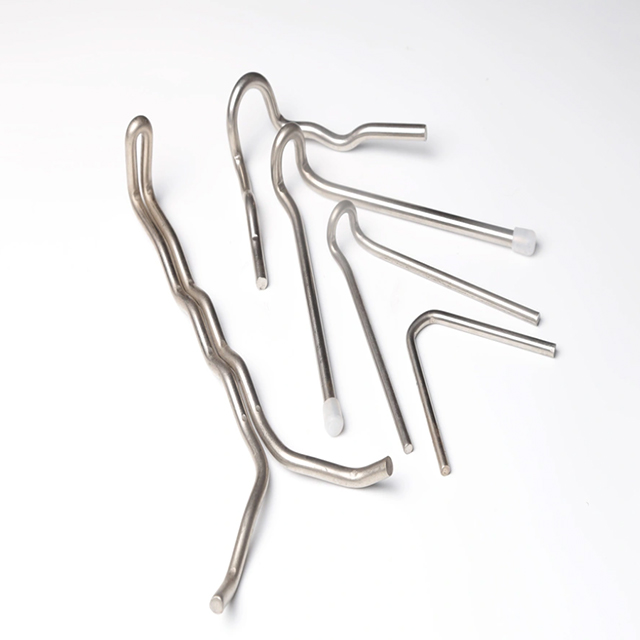
Regular inspections are essential for ensuring the long-term effectiveness of refractory anchors. Since these anchors are exposed to harsh conditions, including extreme heat, chemical exposure, and mechanical stress, continuous monitoring helps detect potential problems before they escalate. Early detection of issues such as corrosion, misalignment, wear, or mechanical fatigue allows steel plant operators to take corrective action before these problems lead to costly repairs, operational inefficiencies, or system failures.
Effective monitoring involves both scheduled visual inspections and advanced diagnostic techniques. Scheduled checks allow for hands-on evaluation, while modern technologies, like real-time monitoring systems, enable constant tracking of anchor performance and alert operators to any deviations from normal operation.
● Schedule routine maintenance checks to monitor anchor health and performance. Inspections should focus on detecting wear, corrosion, misalignment, and fatigue.
● Implement real-time monitoring systems that continuously track anchor condition, providing early warnings for issues such as temperature anomalies or stress buildup.
● Use advanced diagnostic tools, such as ultrasonic testing and infrared thermography, to detect hidden problems, like wear beneath the surface or subtle shifts in alignment that may not be visible. These non-invasive techniques help prevent failures and extend anchor life by detecting issues early.
Preventive maintenance is crucial for avoiding costly downtime and repairs. By proactively addressing minor issues before they become major problems, operators can ensure the longevity of refractory anchors and the overall system. Regular maintenance tasks, such as cleaning, tightening, and replacing damaged anchors, help maintain the effectiveness of the refractory linings and prevent anchor failure.
Additionally, preventive maintenance allows operators to monitor the performance of refractory anchors in real-time, adjusting or replacing anchors before they wear down completely. By keeping refractory materials and anchors clean, operators reduce the risk of premature degradation, which can lead to inefficiency and costly shutdowns. Maintenance schedules should be consistent and aligned with the plant’s operational needs, considering factors like temperature cycles, operational hours, and exposure to harsh chemicals.
● Follow a consistent preventive maintenance schedule to address potential anchor issues early. Set specific intervals for routine checks based on the plant's operational cycle and the furnace's exposure to high temperatures.
● Utilize non-invasive techniques like ultrasonic testing or vibration analysis to monitor anchor integrity. These tools help ensure the anchors are functioning properly and provide insight into their condition without needing to disassemble the system.
● Keep the anchors and surrounding materials clean and free from corrosive substances such as slag, molten metal, or chemical residues that can accelerate wear and corrosion. Cleaning the area around the anchors ensures that they remain firmly in place and function optimally over time.
● Tighten loose anchors as part of the regular maintenance routine. Over time, anchors may loosen due to thermal expansion, vibration, or external stresses. Tightening them helps maintain their function and prevents misalignment or displacement of the refractory linings.
Beyond regular maintenance, selecting the right materials for refractory anchors is essential for enhancing their performance and extending their lifespan. The materials used in refractory anchors should be able to withstand the specific stresses of the steel plant environment, including high temperatures, corrosive conditions, and mechanical wear. Customizing the design of anchors to suit specific operational conditions, such as the type of furnace or kiln, will ensure optimal anchor performance and minimize wear and tear.
● Choose high-performance materials such as Inconel, stainless steel, or nickel-chromium alloys for their superior resistance to high temperatures and corrosion. These materials can handle the thermal stresses and chemical exposure present in steel plants.
● Customize anchor designs based on plant specifications. Refractory anchors should be designed to fit the unique operational needs of each plant, such as furnace type, operating temperature, and exposure to molten metals or chemicals.
● Coat anchors with protective layers, such as ceramic coatings or thermal barrier coatings, to enhance their resistance to heat and chemicals. These coatings act as an additional layer of protection, increasing the anchor’s longevity and performance in extreme conditions.
Proper training of maintenance staff and engineers is essential for ensuring that refractory anchors are properly maintained. Regular training ensures that staff members are well-versed in inspection techniques, maintenance procedures, and the use of advanced diagnostic tools. Engaged and trained employees are better equipped to identify early warning signs, perform effective maintenance, and ensure that anchors are operating at their peak efficiency.
● Provide continuous training on the latest maintenance practices, diagnostic tools, and industry advancements. This ensures that maintenance staff stays up-to-date on best practices and new technologies for refractory anchor maintenance.
● Involve employees in the maintenance process by fostering a culture of proactive care. When employees understand the importance of refractory anchors and the role they play in maintaining system efficiency, they are more likely to identify and report potential issues promptly.
Refractory anchors are vital for the efficiency and longevity of steel production systems. While often overlooked, they secure refractory linings, optimize heat retention, and prevent system failures. By addressing challenges such as corrosion, thermal expansion, and mechanical fatigue, steel plant operators can improve anchor performance. Selecting high-quality materials, customizing designs, and following best maintenance practices enhance the lifespan of refractory anchors, leading to more efficient, cost-effective, and reliable steel production. At Leader , we specialize in high-quality industrial products, including refractory anchors, tube shields, heating wires, and heating elements, designed to meet the demanding needs of industries like steel, construction, and energy. We are committed to providing durable, reliable solutions that ensure optimal performance and long-term reliability.

A: A refractory anchor is a metal fastener used to secure refractory linings in high-temperature environments such as blast furnaces and electric arc furnaces. These anchors are crucial for maintaining heat retention and ensuring the stability of the refractory material, preventing system failures.
A: Refractory anchors are exposed to extreme temperatures, corrosion, and mechanical stress in the steel industry. Over time, these conditions can cause corrosion, thermal expansion issues, and mechanical fatigue, leading to anchor failure and reduced efficiency.
A: High-quality refractory anchors made from materials like Inconel and stainless steel offer superior resistance to corrosion, high temperatures, and mechanical stress, leading to improved longevity, reduced maintenance costs, and enhanced system reliability in steel plants.
A: Regular inspections, proper material selection, and preventive maintenance practices such as cleaning, tightening, and replacing damaged anchors can significantly extend the lifespan of refractory anchors and ensure the efficiency of your steel plant.


