
Views: 0 Author: Site Editor Publish Time: 2026-02-05 Origin: Site
Ever wonder why some furnaces last longer than others? It often comes down to one small part: the Refractory Anchor. In this article, you’ll learn how Refractory Anchor systems reinforce equipment walls, stabilize extreme heat, and protect critical surfaces, plus what these benefits mean for uptime, maintenance costs, and long-term performance.
A Refractory Anchor is a mechanical support part used to secure refractory linings inside furnaces, kilns, boilers, and reactors. It works like an internal skeleton, holding castables or modules in place while equipment runs under extreme heat. You rarely see it after installation, but it directly affects lining stability, heat retention, and equipment safety.
In simple terms, it helps your system:
● keep refractory materials from shifting or falling
● absorb thermal movement during heating and cooling
● carry extra lining weight over long operating cycles
If your process involves sustained high temperature, you are already relying on Refractory Anchors—whether you notice them or not. They are commonly installed in:
● Rotary and cement kilns, where they protect shells from clinker abrasion
● Industrial furnaces and boilers, where they prevent wall deformation and heat loss
● High-temperature vessels and reactors, where lining position must stay precise
● Thermal processing systems exposed to vibration and airflow
A Refractory Anchor works like hidden reinforcement inside your equipment walls. Once embedded into castables or ceramic fiber modules, it spreads load across the lining instead of letting stress collect in one spot. We often compare it to steel rebar in concrete—it doesn’t replace the lining, but it gives the lining strength to survive heat, vibration, and daily operation.
In real installations, anchors help in several practical ways:
● They lock refractory materials to the steel shell, so linings stay where they belong.
● They distribute weight evenly, reducing cracking caused by uneven pressure.
● They keep modules and castables aligned during curing and early heat-up cycles.
Manufacturers like Leader Special Steel design anchor shapes and materials specifically for this role, so the lining behaves as a single reinforced structure instead of many weak sections.
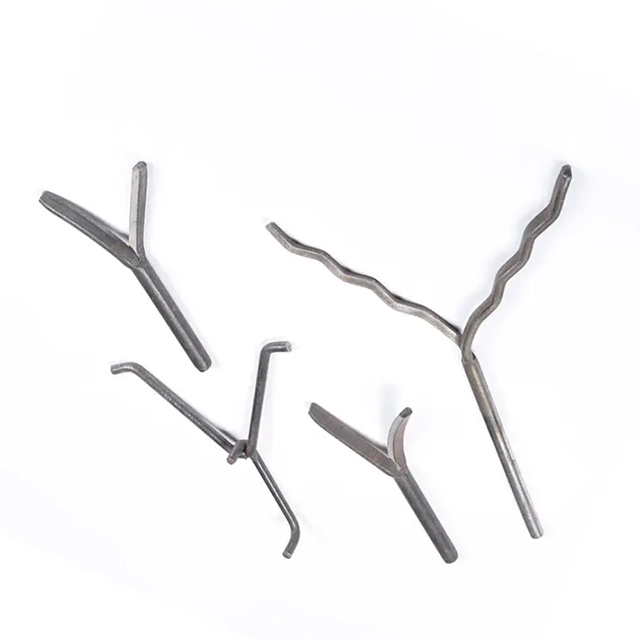
High operating temperatures create internal thermal stress. Over time, this stress tries to push walls outward or pull linings away from the shell. A properly selected Refractory Anchor resists that movement by tying the refractory directly back to the equipment body.
This reinforcement helps operators avoid common failure modes:
● wall bulging caused by trapped thermal expansion
● lining separation during rapid temperature changes
● localized collapse in high-load zones
Instead of letting heat slowly deform the structure, anchors hold everything in place. They allow controlled movement, not destructive shifting, which keeps furnace walls straight and stable across long production runs.
Refractory linings are not light, especially in thick applications or overhead areas. As repairs accumulate, lining weight often increases. A Refractory Anchor is designed to carry this “dead load” safely, protecting both the lining and the steel shell underneath.
Here’s a simple view of how anchors handle different wall stresses:
Wall Stress Type | How the Refractory Anchor Helps |
Lining weight | Transfers load back to the shell |
Thermal pressure | Limits wall movement and buckling |
Vibration | Keeps refractory bonded and aligned |
Aging buildup | Supports added refractory mass |
Extreme heat makes everything move. Steel expands faster than refractory, and without control, that difference creates cracks. A properly designed Refractory Anchor solves this by allowing small, planned movements while keeping the lining locked in place. Anchor shapes like Y, V, U, and round patterns guide expansion instead of fighting it.
In daily operation, this controlled movement helps:
● absorb thermal shock during rapid heat-up or cooldown
● reduce stress at anchor tips and lining joints
● prevent micro-cracks from growing into full lining failures
Heat is money. When refractory shifts or gaps open, valuable energy escapes through the shell. A Refractory Anchor keeps castables and modules tightly bonded to the wall, so heat stays inside the kiln or furnace where it belongs. That tight contact improves insulation performance and helps maintain steady internal temperatures.
From an operator’s view, good anchoring delivers clear benefits:
● less heat leakage at wall interfaces
● more consistent process temperatures
● reduced fuel consumption over long production runs
This matters even more in cement and thermal processing lines, where stable heat directly affects product quality and throughput.
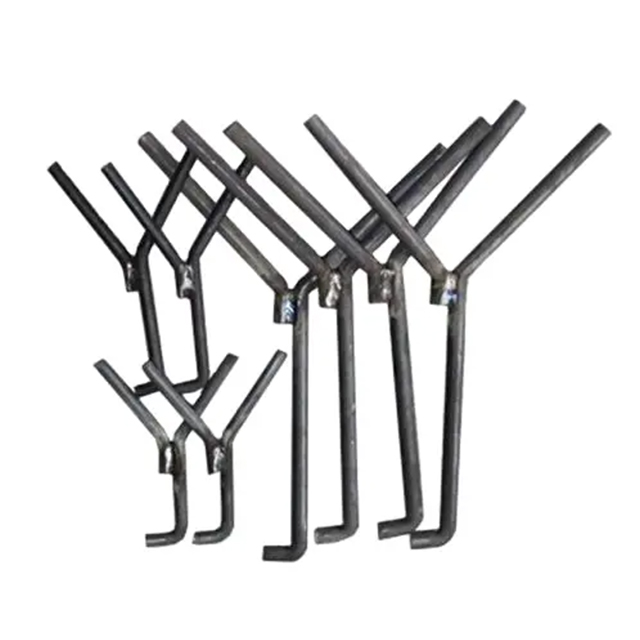
Not all anchors survive the same heat. Stainless steel grades are chosen based on operating temperature, oxidation resistance, and expected service life. Using the wrong alloy often leads to anchor burnout, which weakens the entire lining system.
Here’s a simplified look at common material choices:
Anchor Material | Typical Use Range | Key Benefit |
304 SS | Moderate temperatures | Cost-effective, general service |
309 SS | Higher heat zones | Improved oxidation resistance |
310 SS | Extreme heat areas | Strong high-temperature stability |
Inside kilns and furnaces, abrasive clinker and process debris constantly scrape against refractory linings. A Refractory Anchor helps keep those linings firmly bonded to the shell, so the refractory becomes a protective barrier instead of a loose layer. When anchors hold everything in place, the metal shell stays shielded from direct contact and surface erosion.
In daily operation, anchors protect equipment by:
● keeping refractory layers tight, even under vibration
● preventing liner shifting that exposes bare steel
● reducing scratching caused by moving process materials
This buffering effect matters most in cement kilns, where rough clinker can quickly damage unprotected walls.
When refractory stays secure, equipment lasts longer. A Refractory Anchor supports the lining structure, so cracks grow slower and repairs happen less often. For operators, this translates into fewer shutdowns and more predictable maintenance schedules. They don’t need emergency fixes as often, and they can plan service windows instead of reacting to failures.
You usually see improvements in:
● longer refractory campaign cycles
● fewer hot spots on equipment shells
● reduced labor spent on patch repairs
● steadier production output
In cement kilns and industrial furnaces, anchors do more than hold refractory—they protect the entire asset. By preserving lining shape, they block abrasive contact and help maintain consistent internal profiles. That consistency supports smoother material flow and reduces uneven wear across the shell.
Here’s a simple look at how Refractory Anchors safeguard surfaces:
Equipment Area | Protection Role of Refractory Anchor |
Kiln walls | Shields shell from clinker abrasion |
Furnace chambers | Prevents lining collapse and metal exposure |
Roof sections | Supports refractory weight, avoids sagging |
High-wear zones | Keeps protective layers aligned |
When anchors perform well, refractory stays where it belongs, shells remain protected, and operators spend less time fighting surface damage during production.
Refractory Anchor systems reinforce walls, stabilize heat stress, and protect equipment surfaces in demanding industrial environments.
With durable materials and application-matched designs, Leader Special Steel delivers Refractory Anchor solutions that extend service life, reduce downtime, and support consistent production through reliable engineering and responsive customer support.
A: A Refractory Anchor secures refractory linings, supports weight, and protects equipment walls from heat and abrasion.
A: The Refractory Anchor reinforces linings, manages thermal movement, and reduces cracking from expansion stress.
A: The right Refractory Anchor alloy resists oxidation, avoids burnout, and maintains lining stability at high temperatures.
A: Yes. A Refractory Anchor keeps linings intact, lowering repair frequency and helping equipment run longer between shutdowns.
A: Costs vary by material and design, but a quality Refractory Anchor often saves money through longer service life.


