
Views: 0 Author: Site Editor Publish Time: 2025-12-11 Origin: Site
Boilers are vital components in many industrial systems, providing heat and power for various processes. Understanding boiler parts and their functions is key to ensuring their safe and efficient operation.In this article, we will explore the 15 main boiler parts and how they work together to maintain system performance. You’ll also learn how each part contributes to the boiler’s efficiency, safety, and long-term operation.Additionally, we provide high-quality solutions like refractory anchors, boiler tube shields, and boiler tube hangers to support and improve the performance of your boiler systems.
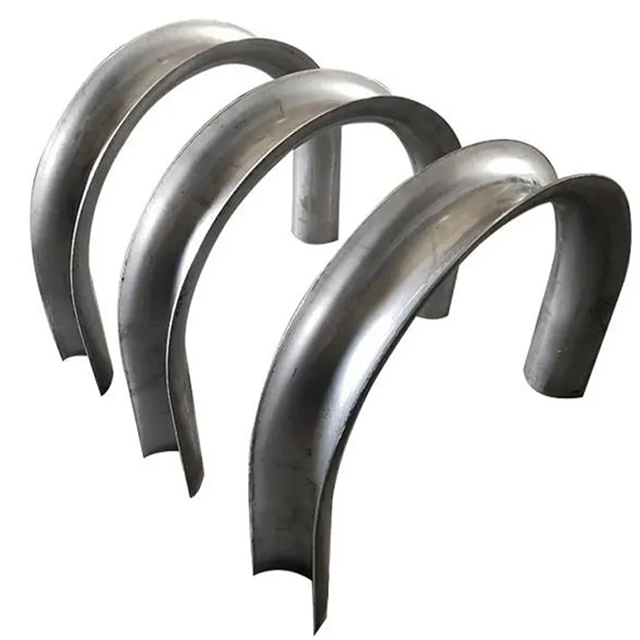
The pressure vessel is the heart of the boiler. It holds the water or steam under high pressure, enabling the system to generate heat efficiently. This component must be robust enough to handle high pressures and temperatures while ensuring the boiler operates safely.
● Role: Contains water or steam under pressure.
● Importance: Prevents system failure by maintaining safe operating conditions.
The pressure vessel’s material must withstand extreme conditions, and any failure in this part can lead to catastrophic results. Boilers are designed with multiple safety mechanisms to prevent overpressure situations, such as pressure relief valves.
The burner is responsible for igniting the fuel, which then heats the water or steam in the boiler. This component plays a crucial role in ensuring that the combustion process is efficient, reducing waste and maximizing the boiler’s energy output.
● Role: Initiates the combustion process to generate heat.
● Importance: Essential for efficient heat production and overall energy efficiency.
The burner must be carefully adjusted to ensure optimal combustion. This means managing factors like fuel type, oxygen supply, and burner performance to achieve clean combustion and reduce emissions.
The heat exchanger is where the combustion gases transfer their heat to the water inside the boiler. Its design maximizes heat transfer and ensures that water is heated efficiently. The more heat transferred from the gases to the water, the more energy-efficient the boiler is.
● Role: Transfers heat from combustion gases to water.
● Importance: Maximizes energy efficiency by transferring heat effectively.
High-quality heat exchangers are designed to withstand high temperatures and corrosion while providing efficient heat transfer. They are crucial for improving the overall energy performance of the system.
The combustion chamber is where the fuel burns to produce heat. It is constructed to handle extreme temperatures and direct the resulting heat toward the heat exchanger. Combustion chambers must be durable and resistant to high-pressure and high-temperature conditions.
● Role: Burns fuel to generate heat.
● Importance: Directs heat to the heat exchanger for maximum efficiency.
A well-designed combustion chamber ensures that combustion is complete and efficient, preventing the release of harmful gases and ensuring minimal fuel consumption.
The economizer is a heat recovery system that captures exhaust gases and uses them to preheat the feedwater before it enters the boiler. This helps reduce fuel consumption by making use of the energy that would otherwise be lost.
● Role: Preheats feedwater using waste heat from exhaust gases.
● Importance: Increases boiler efficiency by reducing fuel needs.
Economizers help increase the overall thermal efficiency of the boiler, lowering fuel consumption and costs, and reducing emissions by reusing heat energy.
The feedwater pump delivers water to the boiler under the required pressure. This component is essential for ensuring that the boiler receives a constant supply of water for heating.
● Role: Delivers water to the boiler at the correct pressure.
● Importance: Ensures continuous operation by supplying necessary water to the system.
The feedwater pump’s capacity and reliability are critical for the system’s operation, as a failure to supply adequate water can result in damage to the boiler.
The steam drum holds both steam and water, allowing the system to separate steam from water. The drum ensures that steam is separated and directed toward the steam turbine or other systems that use steam for power.
● Role: Holds and separates steam and water.
● Importance: Ensures that only steam is sent to the turbine for efficient energy conversion.
The steam drum helps control water levels and maintain the right steam pressure for optimal system performance.
The superheater raises the temperature of the steam produced in the boiler. Superheated steam has more energy, which makes it more efficient for driving turbines or heating systems.
● Role: Raises the temperature of steam to improve energy efficiency.
● Importance: Increases thermal efficiency and steam quality.
Superheaters improve the energy output of the system, making them essential for applications requiring high-efficiency steam.
The separator separates steam from water inside the boiler, ensuring that the steam produced is pure and free from water droplets. This is crucial for maintaining steam quality.
● Role: Separates steam from water in the boiler.
● Importance: Ensures that steam quality is maintained.
A well-functioning separator ensures the quality of steam, which is essential for the efficient operation of steam-driven turbines or heating systems.
The safety valve is a crucial safety mechanism in a boiler. It automatically opens to release pressure when it exceeds safe limits, preventing the boiler from becoming over-pressurized, which could lead to an explosion.
● Role: Relieves excess pressure to prevent system failure.
● Importance: Protects the boiler from overpressure dangers.
Safety valves are among the most critical components of any boiler, ensuring the system operates within safe pressure limits.
The sight glass provides a visual representation of the water level inside the boiler, ensuring that operators can monitor water levels for safe operation.
● Role: Visual indicator of water level in the boiler.
● Importance: Helps prevent dry firing and ensures safe operation.
Regularly monitoring the water level through the sight glass helps avoid damage to the boiler from low water levels.
The manhole provides access to the boiler for inspections, repairs, and maintenance. It is critical for ensuring that the boiler remains in good working condition.
● Role: Provides access for maintenance and inspection.
● Importance: Ensures the safe and efficient operation of the system.
Access to the interior of the boiler allows for routine inspections, cleaning, and repairs, helping to extend the life of the system.
The blowoff valve removes impurities, sediments, and sludge from the boiler. These deposits can hinder the efficiency of the boiler and cause damage over time.
● Role: Removes impurities and sediments from the system.
● Importance: Prevents buildup and maintains efficiency.
Regular blowoff operations help prevent scale formation, ensuring that the boiler operates efficiently for a longer period.
The flue gas stack directs exhaust gases from the combustion process out of the boiler system. It ensures that harmful gases are properly vented, maintaining the safety and environmental standards of the facility.
● Role: Expels combustion gases from the boiler.
● Importance: Ensures safe ventilation and environmental compliance.
Properly functioning flue gas stacks help minimize the release of pollutants into the atmosphere, contributing to environmental protection.
The ash pit collects ash generated during the combustion process. It is essential for keeping the boiler clean and operating at optimal efficiency.
● Role: Collects and stores combustion byproducts like ash.
● Importance: Keeps the boiler system clean and efficient.
By removing ash, the ash pit prevents clogging and ensures that the boiler can run smoothly without interruption.
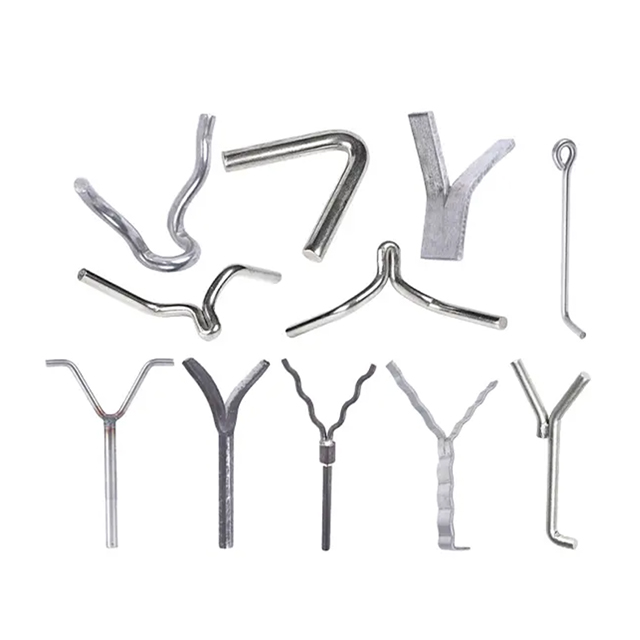
Refractory anchors are essential components used to secure refractory linings inside the boiler. These linings are exposed to extreme heat and pressure during operation, and the anchors ensure they stay in place, preventing any movement or damage to the lining.
● Role: The primary role of refractory anchors is to secure the refractory material inside the boiler, ensuring that the lining remains stable even in extreme conditions.
● Importance: By preventing the refractory material from shifting or cracking under high heat and pressure, these anchors contribute to the long-term performance and safety of the boiler system. A stable lining ensures that the system runs efficiently, and it prevents heat loss or material failure, which could lead to boiler downtime or expensive repairs.
At Leader, we manufacture high-quality refractory anchors designed to withstand the harshest conditions in high-temperature environments. Our anchors are engineered for reliability, durability, and optimal performance, ensuring that the boiler maintains its efficiency and safety over time.
Boiler tube shields are designed to protect the boiler tubes from the intense heat and corrosive elements within the boiler system. These shields act as a barrier between the heat source and the tubes, preventing them from overheating or corroding, which could reduce their lifespan and compromise boiler efficiency.
● Role: The boiler tube shields shield the boiler tubes from excessive heat, direct contact with corrosive elements, and mechanical damage. They maintain the structural integrity of the tubes, which is crucial for ensuring continuous operation.
● Importance: These shields are vital for extending the lifespan of boiler tubes. By keeping the tubes within their optimal temperature range, boiler tube shields prevent overheating, which can cause premature tube failure. They also improve system efficiency by ensuring that the tubes perform at their best, thus preventing energy losses and downtime.
Leader’s boiler tube shields are built to last, offering exceptional heat resistance and durability. These shields enhance the operational reliability of your boiler system, ensuring that the tubes stay protected, minimizing maintenance costs, and extending the service life of the entire system.
Boiler tube hangers are critical components used to suspend the tubes within the boiler system. These hangers ensure that the tubes are aligned properly and remain securely suspended in place, preventing any misalignment or distortion under high heat and pressure. Proper alignment of the tubes is crucial for maintaining the system’s stability and efficiency.
● Role: Boiler tube hangers suspend the boiler tubes securely, ensuring they remain properly aligned. This prevents distortion, which could otherwise occur under heat and pressure, potentially leading to system failure.
● Importance: The importance of boiler tube hangers lies in their ability to maintain tube alignment and prevent distortion. Distorted tubes can lead to inefficient operation, potential damage to other components, and costly repairs. By ensuring the tubes remain in the correct position, tube hangers help the boiler operate at maximum efficiency and maintain its structural integrity.
At Leader, we supply boiler tube hangers that are specifically designed to offer secure tube suspension, preventing any tube distortion. Our hangers are crafted for durability and precision, contributing to the smooth operation and longevity of your boiler system.
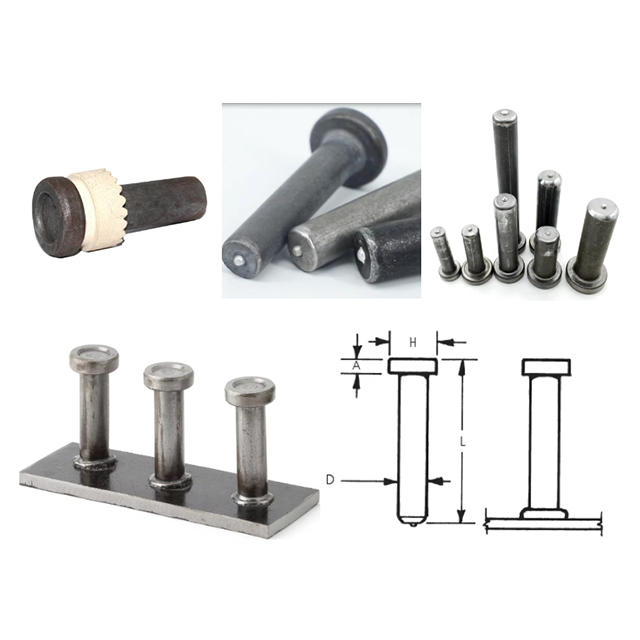
Welding studs are used to attach various components to the boiler structure, such as the refractory linings and other critical parts. These studs provide a secure attachment point, ensuring that components remain stable and properly secured during operation. Welding studs play a crucial role in maintaining the overall safety and functionality of the boiler.
● Role: The welding studs provide secure attachment points for components like refractory linings and other boiler parts. By allowing components to be securely welded in place, they help maintain the stability of the system during high-temperature operation.
● Importance: Welding studs are vital for ensuring safe, stable operation of the boiler system. Without proper attachment, parts could shift, leading to potential failure or inefficiency. The stability provided by welding studs ensures that the system operates safely, reducing the risk of damage to other parts and minimizing costly downtime.
Each boiler part plays a unique role in ensuring the boiler operates efficiently and safely. From the pressure vessel to the flue gas stack, every component must work together to maintain the integrity of the system. At Leader, we provide specialized products like refractory anchors, boiler tube shields, boiler tube hangers, and welding studs, all designed to enhance the durability and reliability of your boiler system. Regular maintenance and inspections are essential to ensuring these components continue to perform at their best, helping you avoid costly repairs and downtime.
A: The main boiler parts include the pressure vessel, burner, heat exchanger, combustion chamber, and economizer. Each part plays a key role in maintaining heat, pressure, and water flow for efficient operation.
A: The boiler burner ignites the fuel to generate heat. It ensures efficient combustion, which is essential for heating the water inside the boiler.
A: Boiler tube shields protect the tubes from heat damage and corrosion. They ensure that the tubes operate within optimal temperature ranges, extending their lifespan and improving system efficiency.
A: The boiler safety valve releases excess pressure automatically, preventing dangerous overpressure situations. It helps to keep the boiler system safe from potential hazards or explosions.


