
Views: 0 Author: Site Editor Publish Time: 2025-09-19 Origin: Site
Have you ever wondered how electrical systems work in high-temperature environments? From car engines to industrial plants, heat plays a big role in every part of our lives. In such conditions, wires need to withstand extreme heat without failing.
This is where heat resistant wire comes in. Designed to function in high-temperature settings, it keeps systems running safely and efficiently. In this article, you will learn about the key features, applications, and benefits of heat resistant wire.
Heat-resistant wire is specifically engineered to withstand high temperatures without degrading or losing its functionality. Unlike conventional wires that are prone to melting, cracking, or short-circuiting in extreme conditions, heat-resistant wires are designed to handle elevated temperatures for extended periods, making them ideal for demanding environments.
These wires are often made from a combination of highly durable metals such as copper, nickel, and alloys, along with specialized insulation materials that help prevent damage. Common insulation types include Teflon, silicone, and fiberglass, each offering unique benefits depending on the intended use of the wire.
The primary function of heat-resistant wire is to maintain electrical conductivity while ensuring that temperature fluctuations do not compromise the wire’s integrity. For example, insulated heat-resistant wire is essential in situations where electrical circuits are exposed to high temperatures, such as in the automotive industry or industrial machinery. Depending on the type, heat-resistant wires can withstand temperatures ranging from 150°C to 1,000°C, making them versatile for various applications.
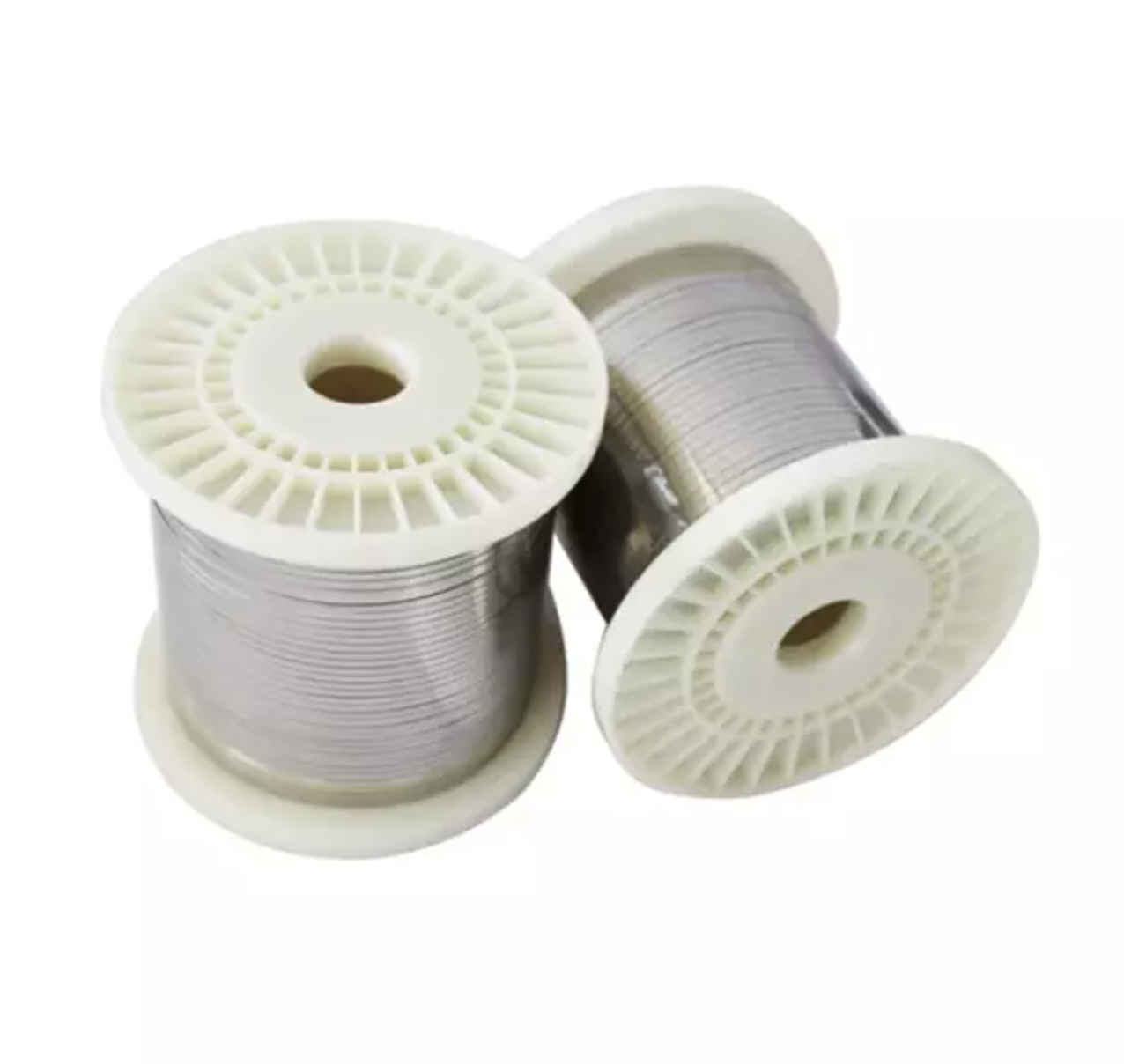
Choosing the right wire for high-temperature applications is crucial to ensuring the safety, durability, and performance of electrical systems. Using fire-resistant cables or heat-resistant wire offers several key advantages that contribute to overall safety, performance, and longevity of electrical systems. Here are the main reasons why these wires are chosen over standard wires:
Heat-resistant wire is designed to prevent overheating and failure, a critical aspect in environments like industrial plants, vehicles, and electronics. For instance, fire-resistant cables are equipped with insulation that won’t degrade under intense heat, significantly reducing the risk of short circuits, fires, or other electrical hazards. This is especially vital in industries like aerospace, automotive, and manufacturing, where equipment failure due to overheating can lead to serious safety issues.
In environments where temperatures fluctuate or reach extreme highs, regular wires tend to wear out faster, often requiring frequent replacements. Heat-resistant wires, however, are designed to endure harsh conditions for extended periods without compromising performance. This durability leads to lower maintenance costs and less frequent replacements, making heat-proof wire a cost-effective long-term solution.
Heat-resistant wire helps ensure that electrical systems work efficiently, even under extreme heat conditions. High temperatures can affect the conductivity of regular wires, resulting in energy loss and lower efficiency. By using high-temperature wiring solutions, industries can maintain optimal performance and avoid costly downtime caused by overheating or electrical malfunctions.
Understanding the features that make heat-resistant wire a crucial component in various industries can help you determine the right wire for your specific needs. The key features of heat-resistant wire include its ability to withstand high temperatures, its insulation materials, and its durability under harsh conditions. These features ensure that the wire can perform safely and efficiently in environments where regular wires would fail.
One of the most important features of heat-resistant wire is its ability to withstand high temperatures without breaking down. Unlike standard wires, which can melt or become brittle under heat stress, heat-resistant wires are designed with advanced materials that can endure temperatures well above the limits of conventional wiring.
Heat-resistant wires are built using materials that can handle intense heat without deteriorating. Depending on the type of wire, it can endure temperatures ranging from 150°C to over 1,000°C, making it suitable for a wide variety of applications across different industries. For instance, Teflon-coated wires are widely used in high-heat environments, such as in aircraft engines, power plants, and manufacturing facilities, where temperatures regularly exceed 500°C. These wires maintain their integrity and electrical conductivity, ensuring that they perform reliably even in the most demanding situations.
In high-temperature settings, such as industrial equipment or automotive engines, heat-resistant wire provides long-term protection, preventing potential damage and minimizing the need for frequent replacements. This ability to endure high temperatures is what sets heat-resistant wire apart from regular wires, making it indispensable in industries that deal with extreme conditions.
The insulation used in heat-resistant wire is another crucial factor that enhances its performance and reliability. The primary function of insulation is to protect the wire from the damaging effects of heat and to prevent short circuits or electrical failure. Different insulation materials offer specific advantages depending on the operating environment.
Common insulation materials used in heat-resistant wire include silicone, Teflon, and fiberglass. Each of these materials is specially designed to handle extreme temperatures and environmental stress.
● Silicone insulation is highly valued for its flexibility and excellent temperature resistance. It remains functional in high-heat conditions, often withstanding temperatures up to 250°C or more. This makes it an ideal choice for applications in the automotive and industrial sectors, where the wire needs to endure continuous exposure to heat without becoming brittle. Silicone’s flexibility allows for easy installation in tight spaces, making it versatile for various electrical wiring projects.
● Teflon insulation offers exceptional resistance to heat, chemicals, and abrasion. It is commonly used in critical applications like aerospace, medical equipment, and high-performance electronics. Teflon-coated wires can typically withstand temperatures over 300°C and provide outstanding protection against corrosive environments. These wires are often used in situations where both high temperatures and harsh chemical exposure are present.
● Fiberglass insulation is another material often used in heat-resistant wire. Fiberglass has high resistance to both heat and mechanical wear, making it perfect for environments where the wire is exposed to both intense heat and physical stress. It is often used in power plants, manufacturing plants, and other heavy-duty industrial settings where the wire might face vibrations or abrasions in addition to high temperatures.
Some heat-resistant wires may have multiple layers of insulation to provide added protection and durability. For instance, a fire-resistant cable might feature an inner layer of Teflon to handle high temperatures, followed by an outer layer of silicone or fiberglass to protect against mechanical damage, moisture, and other external factors. This layered approach enhances the wire's ability to withstand not just heat but also physical and environmental stress, making it a safer and more reliable option in many industrial applications.
These insulation materials and the option for multi-layered protection ensure that heat-resistant wire performs optimally and safely, even under the harshest conditions. By selecting the right insulation material, industries can tailor the wire's characteristics to meet the specific demands of their environments.
Overall, the high thermal resistance and the insulation materials used in heat-resistant wires make them essential components for maintaining safety, efficiency, and longevity in high-temperature settings.
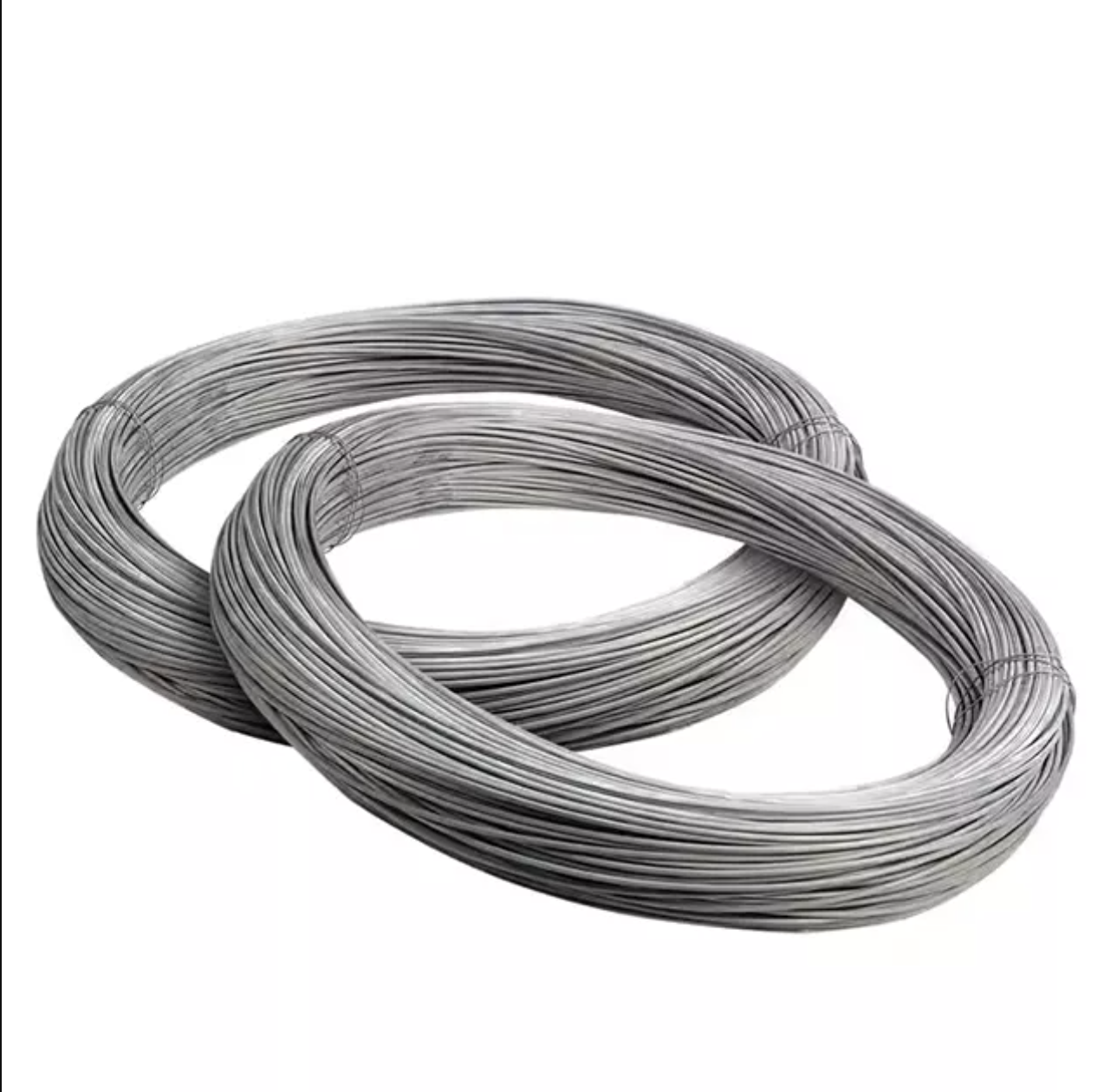
Heat-resistant wire is used in a wide array of industries, each with its specific demands. From automotive and aerospace to industrial manufacturing and electronics, these wires are designed to function in extreme conditions where regular wires would fail. Here are some of the most common applications of heat-resistant wire:
The automotive industry relies heavily on heat-resistant wire to ensure the safe and efficient operation of vehicles. Heat-resistant wire is used in various parts of a vehicle, such as the engine, exhaust system, and wiring harness. For example, fire-resistant cables are critical in preventing short circuits or fires in the engine bay, where temperatures can rise significantly. These wires are also used in advanced electric vehicles (EVs), where the batteries generate substantial heat. Using heat-resistant wires in EVs ensures that the wiring systems maintain their integrity, even under extreme thermal stress.
In aerospace and military applications, heat-resistant wire is crucial for ensuring the reliability of electrical systems in high-performance environments. Whether in aircraft engines or military-grade communication equipment, these wires must withstand extreme heat while maintaining functionality. Insulated heat-resistant wire is often used in aerospace applications, where temperatures can exceed 1,000°C, especially in engine compartments. Similarly, military systems exposed to heat from weaponry, machinery, or high-intensity operations rely on these wires for safety and efficiency.
Heat-resistant wires are commonly found in electronics and home appliances, where they help prevent overheating. In household appliances like ovens, toasters, and air conditioners, heat-proof wire ensures that the wiring remains intact, even when the appliance is operating at high temperatures. In electronics, heat-resistant wire is used in circuit boards, batteries, and power supplies to prevent damage caused by thermal fluctuations. These wires are especially important in devices that generate significant heat, such as computers and gaming systems, where performance and reliability are key.
In industrial manufacturing, heat-resistant wire is essential for machinery that operates in high-temperature environments, such as in chemical processing plants, power stations, and steel mills. These wires are used in critical equipment like furnaces, boilers, and reactors, where temperatures can fluctuate dramatically. High-temperature wiring solutions ensure that these systems can operate safely and efficiently without the risk of wire degradation or failure due to heat.
Selecting the right heat-resistant wire is crucial for ensuring that your electrical systems operate safely and efficiently under high-temperature conditions. Here are some factors to consider when choosing heat-resistant wire for your application:
Factor | Consideration |
Temperature Range | Ensure the wire can handle the maximum expected temperature in your environment. |
Material Compatibility | Choose wire made from materials like copper, nickel, or alloys that can withstand high temperatures. |
Durability and Flexibility | Consider how the wire will be exposed to mechanical stress, including vibrations or bending. |
Cost vs. Performance | Weigh the cost of high-quality wire against potential long-term savings on maintenance and repairs. |
The first factor to consider is the maximum temperature that the wire will be exposed to. Heat-resistant wires come with different temperature ratings, so it’s important to choose one that can handle the highest expected temperature in your environment. For instance, silicone-coated wires are ideal for moderate heat conditions, while Teflon-coated wires are better suited for extreme temperatures found in industrial or aerospace settings.
Another consideration when choosing heat-resistant wire is the material of the wire itself. Materials like copper and nickel alloys are commonly used for heat-resistant wires due to their excellent conductivity and heat resistance. Copper is a popular choice for low to moderate heat applications, while nickel alloys and other metals are better suited for high-temperature environments.
Durability is an important factor, especially in environments where the wire may be subjected to mechanical stress, such as in automotive or industrial applications. Additionally, flexibility can be crucial for certain applications, particularly in systems with moving parts. Look for wires that offer both heat resistance and flexibility, ensuring they can withstand both high temperatures and mechanical stress.
While heat-resistant wires may cost more than standard wires, they are often a worthwhile investment due to their durability and safety benefits. Consider the long-term benefits of using high-quality heat-resistant wire versus the potential costs of wire failures, maintenance, and downtime.
In this article, we explored the significance of heat resistant wire in high-temperature environments. These wires ensure safety and reliability in industries like automotive, aerospace, and manufacturing. They are made from materials that can endure extreme conditions without losing functionality.
Jiangsu Leader Special Steel Products Co., Ltd. offers high-quality heat-resistant wire solutions. Their products are designed to deliver excellent performance, durability, and safety, ensuring long-term value for industries in need of reliable wiring solutions.
A: Heat resistant wire is specially designed to withstand high temperatures without degrading. It is used in environments where standard wires would fail due to heat exposure.
A: In the automotive industry, heat resistant wire is essential for wiring in engines, exhaust systems, and other high-temperature areas. It ensures safety and performance even in extreme conditions.
A: Heat resistant wire, such as insulated heat resistant wire, is used in electronics to prevent overheating. It ensures that electrical components continue to operate safely under high temperatures.
A: Using high temperature wiring solutions in manufacturing ensures the safe operation of machines and equipment exposed to high heat. It reduces the risk of failures and enhances operational efficiency.
A: Heat resistant wire is built to withstand high temperatures, while fire-resistant cables are designed to prevent fire hazards, offering added protection in fire-prone environments.
A: The cost of heat proof wire varies depending on the materials used, the wire’s temperature rating, and the specific application. Generally, it’s a higher upfront investment but reduces long-term maintenance costs.


