
Views: 0 Author: Site Editor Publish Time: 2026-02-05 Origin: Site
Are your refractory linings failing prematurely? Castable Anchors play a critical role in preventing this by securing linings under high-temperature stress. In this article, we’ll dive into the design and engineering of Castable Anchors, their importance in thermal systems, and how to choose the right ones for your needs.
Castable anchors are key components that secure refractory linings in high-temperature environments like furnaces and kilns. Their main job is to keep the refractory lining intact during extreme temperature changes. These anchors are embedded into the refractory material and attached to the equipment’s steel shell, offering structural stability.
By absorbing and distributing thermal stress, castable anchors prevent cracking, detachment, or collapse of the lining. They ensure the lining remains in place during temperature fluctuations, which is critical for the overall efficiency and safety of the system.
● Thermal Stress Management They prevent cracks by distributing thermal forces evenly, ensuring the lining's integrity.
● Prevention of Cracking Castable anchors reduce the risk of detachment or bulging by absorbing thermal expansion.
● Mechanical Stability By securing the lining, they maintain structural integrity, even under high stress.
Table: Types of Castable Anchors and Applications
Anchor Type | Best Use | Feature |
V-Type | Kilns, Ducts | Strong stability in moderate-strength applications |
UV-Type | Heavy-duty Furnaces | Handles greater thermal expansion |
L-Type | Complex Refractory Designs | Optimizes heat transfer for varied orientations |
U-Type | General Support | Offers flexibility for complex designs |
V-Type anchors are well-known for their strength and mechanical stability. Their design is particularly effective in moderate-strength applications like kilns and ducts. These anchors are essential for managing both thermal and mechanical stress.
● Key Features:
○ Strong mechanical stability
○ Ideal for moderate-strength applications
○ Provides secure attachment of the refractory lining
Applications:
● Kilns: Prevents refractory material from shifting due to thermal and mechanical stress.
● Ducts: Keeps the lining in place, even under fluctuating temperatures.
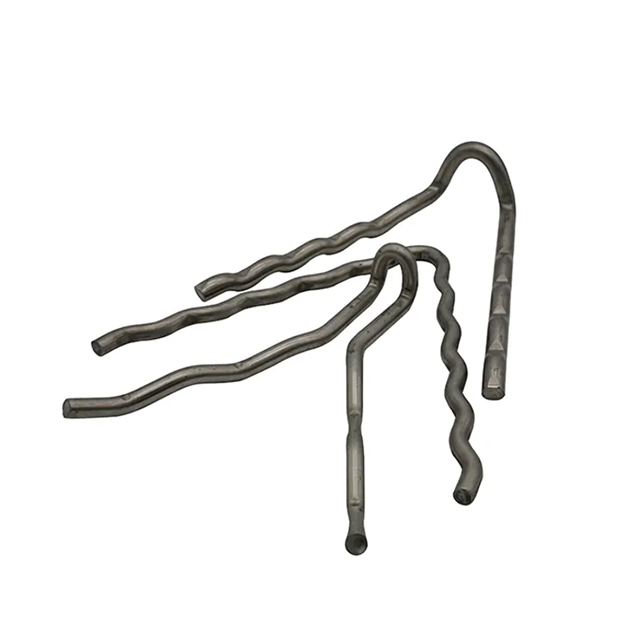
UV-Type anchors combine the benefits of both U and V shapes, offering superior support, especially in heavy-duty applications. These anchors are engineered for environments that experience rapid thermal cycling, making them ideal for high-temperature industrial systems.
● Key Features:
○ Hybrid design combining U and V shapes
○ Handles greater thermal expansion
○ Provides robust support for heavy-duty applications
Applications:
● Industrial Furnaces: Designed to withstand rapid temperature fluctuations.
● Heavy-Duty Kilns: Essential in systems with high thermal cycling and heavy loads.
L-Type anchors are versatile and can be used in a variety of structural orientations. They are especially useful in environments where heat transfer optimization is necessary. These anchors ensure that refractory linings remain continuous, minimizing heat loss and enhancing overall efficiency.
● Key Features:
○ Versatile design suitable for various orientations
○ Optimizes heat transfer
○ Helps maintain continuous refractory linings
Applications:
● Complex Refractory Designs: Ideal for ensuring minimal heat loss and maintaining efficient heat transfer.
● High-Temperature Resistance: Provides mechanical stability under significant thermal stress.
Table: Comparison of Castable Anchor Types
Anchor Type | Best Used For | Key Benefit |
V-Type | Kilns, Ducts | Strong mechanical stability in moderate strength applications |
UV-Type | Heavy-duty Furnaces | Superior support for rapid thermal cycling |
L-Type | Complex Refractory Designs | Optimizes heat transfer and prevents heat loss |
When selecting materials for castable anchors, it’s essential to consider factors such as heat resistance, oxidation, and mechanical strength. Different materials perform differently under high-heat conditions, so choosing the right one ensures long-lasting, durable performance.
● Stainless Steel (304, 310, 316): These materials are commonly used due to their excellent resistance to oxidation and corrosion.
○ 304 Stainless Steel: Best for lower temperature zones.
○ 310 Stainless Steel: Ideal for high-temperature applications up to 1200°C.
○ 316 Stainless Steel: Enhanced corrosion resistance, especially in harsh environments.
● High-Temperature Alloys (Inconel, Incoloy): These alloys are used for extreme temperatures over 1200°C.
○ Inconel 601: Known for its high-temperature stability and resistance to thermal cycling.
○ Incoloy 800: Used in applications exposed to both high heat and corrosive environments.
Table: Material Comparison for Castable Anchors
Material | Max Temperature | Key Advantage |
304 Stainless Steel | Up to 900°C | Corrosion resistance, cost-effective |
310 Stainless Steel | Up to 1200°C | Excellent for high-temperature zones |
Inconel 601 | Above 1200°C | High-temperature stability, oxidation resistance |
Incoloy 800 | Above 1200°C | Resistant to thermal cycling and corrosion |
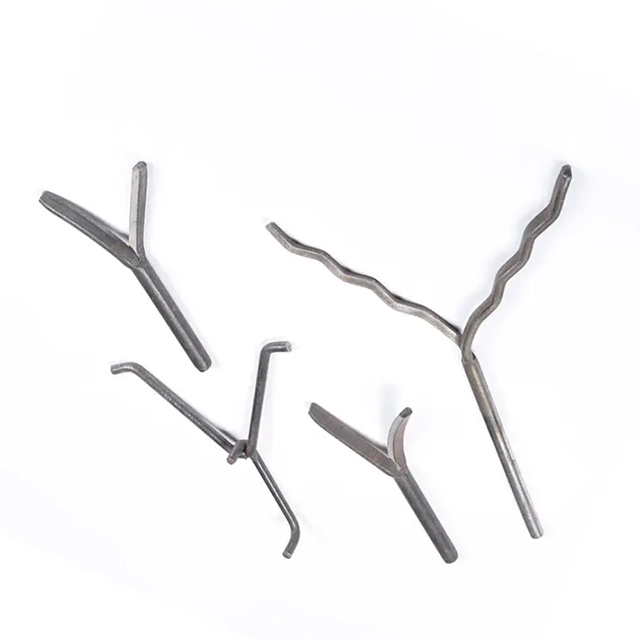
The right material depends heavily on the operating conditions, particularly the temperature and exposure to corrosive elements. For example:
● High-Temperature Environments: Materials like SS 310 and Inconel are suitable for systems that experience extreme heat, such as furnaces and kilns.
● Corrosive Conditions: For environments with high chemical exposure, SS 316 and Incoloy alloys provide additional resistance to corrosion and pitting.
Key Considerations for Material Selection:
● Operating Temperature: Ensure the material can withstand the maximum temperature of your system.
● Exposure to Chemicals: For highly acidic or corrosive environments, choose alloys with enhanced chemical resistance.
● Thermal Cycling: Materials like Inconel are designed to handle rapid temperature fluctuations.
Customization plays a significant role in selecting castable anchors. Working with experienced suppliers, such as Jiangsu Leader Special Steel, allows you to tailor anchor designs and materials to meet the specific needs of your operation. Customization enhances system performance by ensuring that anchors are optimized for factors like temperature resistance, mechanical stress, and material compatibility.
Why Customization Matters:
● Tailored Solutions: Custom castable anchors are designed to fit the unique demands of each industrial application.
● Enhanced Performance: Customized anchors ensure that thermal expansion, mechanical stress, and chemical resistance are managed efficiently.
● Minimized Downtime: By matching the right materials to your operational conditions, you reduce the risk of anchor failure, extending the overall service life of the refractory system.
Benefits of Custom Castable Anchors:
● Increased stability and durability
● Better performance under extreme conditions
● Reduced maintenance and operational disruptions
When installing castable anchors, proper placement and spacing are crucial to ensuring the longevity and performance of the refractory system. Following best practices during installation minimizes stress concentrations and ensures that the anchors effectively distribute thermal forces.
● Anchor Placement: Proper placement of anchors is vital for preventing premature failures. Ensure that anchors are evenly spaced to avoid concentrated stress points that could lead to cracking or detachment.
● Staggered Pattern: A staggered anchor pattern helps evenly distribute the thermal forces and minimizes the risk of localized stress, which could result in refractory damage. This installation method improves the overall stability and performance of the lining.
Key Considerations:
● Ensure anchors are placed at the correct depth (usually 75% to 85% of the lining thickness).
● Maintain consistent spacing between anchors for even stress distribution.
Welding and fixing techniques are critical to ensuring that castable anchors remain securely in place under high-temperature conditions. Incorrect welding can lead to anchor failure during thermal cycling, causing the lining to detach or deform.
● Welding Techniques: Use high-quality welding methods to ensure strong, durable connections between the anchors and the refractory material. Proper welding prevents anchor failure during repeated temperature changes.
● Fixing Methods: Secure the anchors firmly to the steel shell, ensuring that there’s no movement once they are in place. This stability is essential for maintaining the integrity of the refractory lining during operational thermal cycles.
Welding Tips:
● Use heat-resistant welding materials to withstand high-temperature environments.
● Ensure consistent welding quality across all anchors to prevent weak points.
One of the main challenges when installing castable anchors is allowing for the thermal expansion of refractory materials. As these materials heat up and cool down, they expand and contract, which can put strain on the system if not properly accounted for.
● Thermal Expansion Space: Leave sufficient space between anchors and the refractory lining to allow for thermal expansion without creating stress that could lead to cracking or deformation.
● Movement Allowance: Refractory materials need the freedom to expand and contract. During installation, ensure that the anchors don’t restrict the natural movement of the refractory lining. This flexibility is key to preventing internal stress and maintaining the structural integrity of the system.
Thermal Expansion Tips:
● Use expansion joints where necessary to allow for more movement within the refractory system.
● Regularly inspect anchor installations to ensure they allow for proper movement over time.
Table: Key Installation Considerations for Castable Anchors
Installation Factor | Best Practice | Purpose |
Anchor Placement | Evenly spaced, correct depth (75%-85% of lining thickness) | Prevents concentrated stress and cracking |
Staggered Pattern | Use staggered arrangement for uniform stress distribution | Minimizes risk of localized stress and failure |
Welding Techniques | Use heat-resistant welding materials | Ensures strong, durable connections |
Thermal Expansion Space | Leave space for thermal expansion and movement | Prevents stress buildup and cracks |
Refractory and castable anchors are critical components used to secure refractory linings in high-temperature environments. These anchors help prevent cracking and detachment by managing thermal stress. Leader Special Steel offers customized castable anchors that meet specific operational needs, providing reliable and efficient solutions for high-heat systems.
A: Castable anchors are used to secure refractory linings in high-temperature environments, ensuring stability and preventing cracking.
A: Castable anchors manage thermal stress, prevent cracking, and maintain mechanical stability in extreme conditions.
A: Castable anchors are typically made from stainless steel or high-temperature alloys, offering resistance to oxidation and thermal stress.
A: The choice depends on temperature, exposure to chemicals, and the need for thermal expansion flexibility in your system.


