
Views: 0 Author: Site Editor Publish Time: 2025-12-11 Origin: Site
Stainless steel refractory anchors are crucial in high-temperature environments. They ensure the stability and longevity of refractory linings, especially in furnaces, kilns, and reactors. Choosing the right refractory anchor material can significantly impact your system's performance.In this article, we will explore the various types of stainless steel refractory anchors and their uses. You will learn how to select the right anchor to enhance your refractory system’s durability and efficiency.
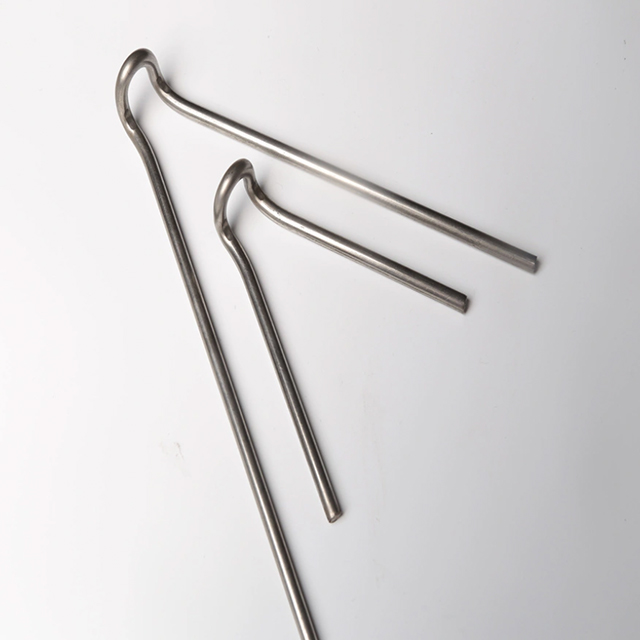
Refractory anchors are specially designed fasteners that secure refractory linings inside industrial equipment such as kilns, furnaces, and reactors. These anchors ensure that the refractory material stays in place, preventing it from cracking or shifting under high heat and mechanical stress. Without anchors, refractory linings would be unstable, leading to premature failure, heat loss, and damage to industrial equipment.
Refractory anchors come in various designs and materials, but stainless steel is the most commonly used due to its resistance to both high temperatures and corrosion. It ensures that the refractory lining remains secure, maintaining its insulation properties even under extreme conditions.
Stainless steel is widely chosen for refractory anchors for several reasons:
● Heat Resistance: Stainless steel can withstand temperatures ranging from 1,000°F to over 3,000°F, making it suitable for high-temperature environments such as those found in metal production, cement manufacturing, and glass industries.
● Corrosion Resistance: Stainless steel resists oxidation and corrosion, even when exposed to chemicals, moisture, and high-pressure gases. This property is crucial for applications in aggressive environments like petrochemical plants.
● Strength and Durability: Stainless steel offers excellent mechanical strength and durability, ensuring that the refractory lining remains intact even under stress.
Choosing stainless steel for refractory anchors ensures reliability and long-lasting performance in industries where both temperature and mechanical stress are prevalent.
Stainless steel refractory anchors are widely used in various high-temperature industrial processes, including:
● Kilns and Furnaces for Metal Processing: These processes require refractory linings that can withstand extreme temperatures, with refractory anchors securing the linings inside kilns and furnaces.
● Boilers and Reactors in the Chemical Industry: Refractory anchors are used to secure heat-resistant materials that line boilers and reactors, which operate at high temperatures and may also be exposed to corrosive chemicals.
● Gasifiers and Incinerators for Waste Treatment: In gasifiers and incinerators, refractory linings are essential for containing high heat and preventing heat loss during waste combustion or chemical processes.
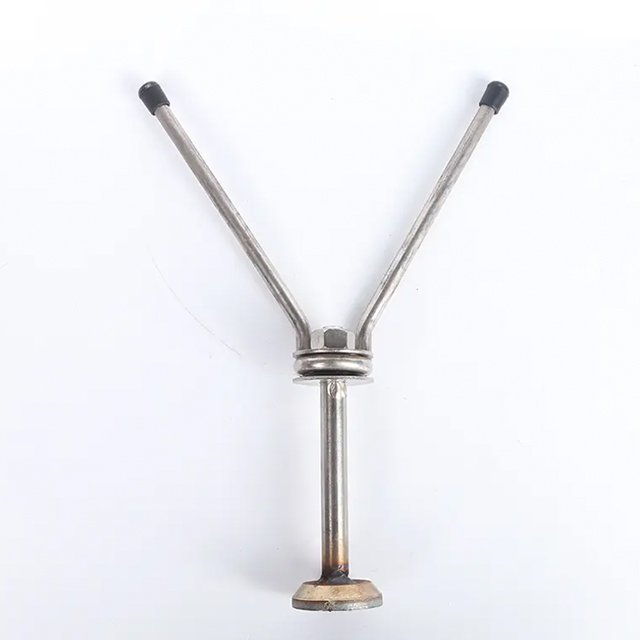
Ceramic refractory anchors combine stainless steel with ceramic materials to offer enhanced heat resistance. The ceramic portion of the anchor increases its ability to withstand extreme temperatures, making these anchors ideal for environments where regular metal anchors would fail. Ceramic anchors are particularly effective in high-performance furnaces, glass furnaces, and reactors, where temperatures can exceed the limits of other materials.
Benefits of Ceramic Anchors:
● Superior Heat Resistance: Ceramic anchors provide exceptional thermal stability and can endure temperatures higher than typical metal anchors.
● Long-Lasting Performance: The combination of stainless steel and ceramic materials allows these anchors to withstand thermal cycling, which is common in many industrial processes.
● Ideal for Extreme Temperatures: Ceramic anchors are perfect for applications where temperature spikes are frequent and need to be managed without degrading the anchor material.
Common Applications:
● Glass furnaces
● High-performance industrial kilns
● Chemical reactors exposed to extreme heat
Metallic refractory anchors are made entirely from stainless steel and are designed to hold refractory linings in place in environments where extreme heat is present, but not as demanding as those requiring ceramic anchors. These anchors are commonly used in steel manufacturing furnaces, cement kilns, and industrial boilers.
Uses:
● Steel Manufacturing Furnaces: These furnaces require refractory linings to handle the high temperatures during the metal production process. Metallic anchors help secure the linings to prevent them from shifting or cracking.
● Industrial Boilers: In the energy sector, metallic anchors are used to hold refractory materials in place in boilers that generate heat for electricity production.
● Cement Kilns: Cement kilns operate at temperatures around 2,500°F, requiring metallic anchors that can withstand these extreme conditions.
Advantages:
● High Strength: Stainless steel metallic anchors are strong and resistant to thermal stress.
● Cost-Effective: While more affordable than ceramic anchors, metallic anchors still provide excellent performance in moderately high-temperature environments.
● Ease of Installation: Metallic anchors can be easily welded or installed using mechanical fasteners, making them a versatile choice for a wide range of applications.
Welded stainless steel refractory anchors are designed to be welded directly to the structural components of a furnace, kiln, or reactor. This permanent attachment method ensures that the refractory lining remains secure even under extreme conditions. Welded anchors are ideal for high-temperature environments where constant temperature cycling occurs, such as in steel production or petrochemical refining.
Key Features of Welded Anchors:
● Permanent Attachment: These anchors are welded directly to the structural components of the furnace or kiln, ensuring a robust and long-lasting connection.
● High Mechanical Stability: The welded design provides additional strength and stability for the refractory lining, even under thermal cycling or mechanical stress.
● Resistance to Thermal Cycling: Welded anchors are particularly effective in applications where constant temperature fluctuations are a concern.
Welded stainless steel anchors are commonly used in large industrial systems that require long-term, secure attachment of refractory linings.
Hook anchors have a unique design with a hook shape that allows them to securely hold thin or brittle refractory materials in place. These anchors are commonly used in applications where the refractory materials are not as durable, such as in high-temperature reactors, industrial ovens, or heat exchangers.
Advantages of Hook Anchors:
● Ideal for Thin or Brittle Refractory Linings: Hook anchors provide a secure hold without compressing or damaging thin refractory materials.
● Easy Installation: Due to their simple hook design, these anchors are easy to install in limited spaces where other anchor designs may not fit.
● Secure Suspension: Hook anchors are particularly useful in applications where the refractory material needs to be suspended rather than attached to a surface.
Common Applications:
● Reactors in the chemical industry
● High-temperature industrial ovens
● Heat exchangers
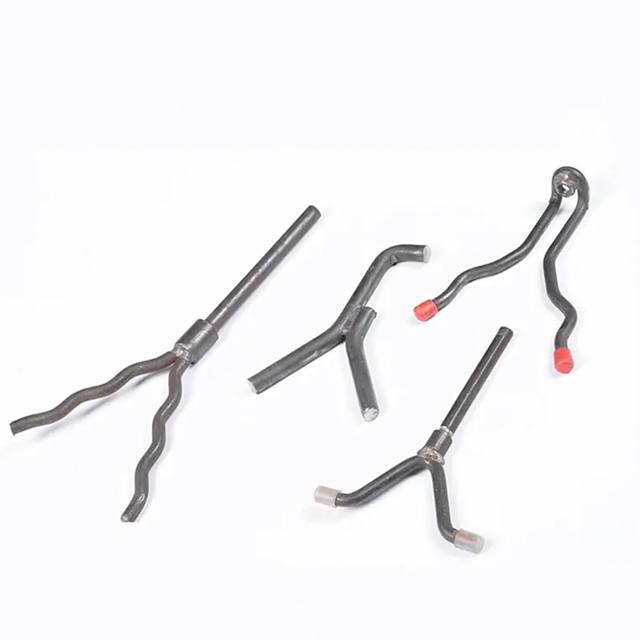
Spiral anchors are designed with a helical shape that distributes heat and stress evenly along the length of the anchor. These anchors are ideal for environments where constant movement, vibration, or thermal expansion occurs, such as in rotary kilns or continuous furnaces.
Why Choose Spiral Anchors?
● Even Distribution of Stress: The spiral shape helps distribute heat and mechanical stress evenly, which is essential in applications that experience continuous thermal cycling.
● Enhanced Structural Support: Spiral anchors provide additional support for thick refractory linings, ensuring that the lining stays in place even under extreme conditions.
● Ideal for Rotary Kilns: Rotary kilns, which operate under constant rotation and vibration, benefit from the unique design of spiral anchors, ensuring the refractory lining remains intact.
Key Applications:
● Rotary kilns
● Continuous furnaces
● High-temperature reactors subjected to vibrations
Stainless steel refractory anchors are made from various grades of stainless steel, each suited to specific applications. The most common types are:
Stainless Steel Grade | Temperature Resistance | Corrosion Resistance | Common Applications |
304 Stainless Steel | Moderate temperatures | Good in mild environments | Boilers, furnaces |
310 Stainless Steel | Very high temperatures | Excellent in oxidative environments | Steel production, kilns |
316 Stainless Steel | High temperatures, corrosive environments | Best for acidic and salty conditions | Chemical reactors, petrochemical industries |
Material Impact on Anchor Performance: The choice of stainless steel grade directly affects the performance of the anchor in high-temperature applications. For instance:
● 304 Stainless Steel is suitable for moderate temperature applications and environments with lower corrosion risks.
● 310 Stainless Steel provides better heat resistance and is used for very high-temperature environments.
● 316 Stainless Steel offers superior corrosion resistance, making it ideal for chemical processes where exposure to acids and salts is common.
The material composition of the stainless steel used in refractory anchors determines their strength, resistance to thermal and mechanical stress, and overall durability. Choosing the right material ensures that the anchor can withstand the specific environmental conditions of the application, ensuring the longevity and safety of the refractory system.
One of the primary benefits of using stainless steel for refractory anchors is their durability and heat resistance. Stainless steel anchors can withstand extreme temperatures and continue to perform well under high mechanical stress. This reduces the need for frequent repairs or replacements, which can be costly in industrial operations.
Key Benefits:
● Extended lifespan of refractory systems
● Reduced downtime due to maintenance or anchor failure
● Ability to handle thermal cycling and mechanical stress
Stainless steel's resistance to corrosion makes it ideal for industries where chemicals, moisture, and high-pressure gases are prevalent. Corrosion resistance ensures that the refractory anchors maintain their structural integrity, even in aggressive environments.
Applications:
● Petrochemical Plants: Where exposure to harsh chemicals is common.
● Chemical Processing Plants: Where corrosive gases and liquids are present.
Although stainless steel may have a higher upfront cost compared to other materials, its long-term value makes it a cost-effective choice. The durability, heat resistance, and corrosion resistance of stainless steel anchors lead to lower maintenance and replacement costs over time.
Advantages for B2B Readers:
● Long-term savings from fewer repairs and replacements
● Reliable performance that justifies the initial investment
● Reduced operational downtime, leading to increased efficiency
Stainless steel refractory anchors are a critical part of ensuring the stability and longevity of refractory linings in high-temperature industrial environments. By understanding the different types of stainless steel refractory anchors and their uses, businesses can make informed decisions about which type to choose for their specific applications. Whether you are working in metal processing, chemical manufacturing, or energy production, selecting the right refractory anchor material will enhance the performance of your high-temperature systems and reduce maintenance costs.
At Leader, we focus on providing reliable and durable solutions for various sectors, including the steel, construction, and energy industries. Our main products include high-quality refractory anchors that are designed to withstand extreme conditions and ensure long-term performance in demanding environments. With our expertise and commitment to excellence, we help our clients optimize their high-temperature systems while minimizing downtime and maintenance costs.
A: A refractory anchor is a specialized fastener used to secure refractory materials inside high-temperature industrial environments, such as kilns, furnaces, and reactors. It helps keep the refractory lining intact, preventing it from shifting or cracking under extreme heat and mechanical stress.
A: Stainless steel refractory anchors are chosen for their durability, heat resistance, and corrosion resistance. These properties ensure that the anchors perform reliably in harsh, high-temperature environments, making them ideal for industries such as steel manufacturing, petrochemical, and glass production.
A: The right refractory anchor depends on factors like the operating temperature, environment, and the type of refractory material used. For example, ceramic anchors are ideal for extreme temperatures, while metallic anchors may be more suitable for moderate heat environments.
A: Stainless steel refractory anchors offer excellent heat resistance, durability, and corrosion resistance. They provide long-lasting performance in high-temperature settings, reduce maintenance costs, and ensure the stability of refractory linings.


