
Views: 0 Author: Site Editor Publish Time: 2025-12-11 Origin: Site
Refractory anchors are often the unsung heroes of cement plants, yet they play a critical role in maintaining system efficiency. These fasteners secure refractory linings, preventing them from shifting or degrading under extreme heat. Without them, cement plants would face operational inefficiencies, high maintenance costs, and safety risks.In this article, we will explore the importance of refractory anchors in cement plants. You will learn about the challenges they face and the best practices for maintaining their performance, ensuring long-term reliability and efficiency in cement production.
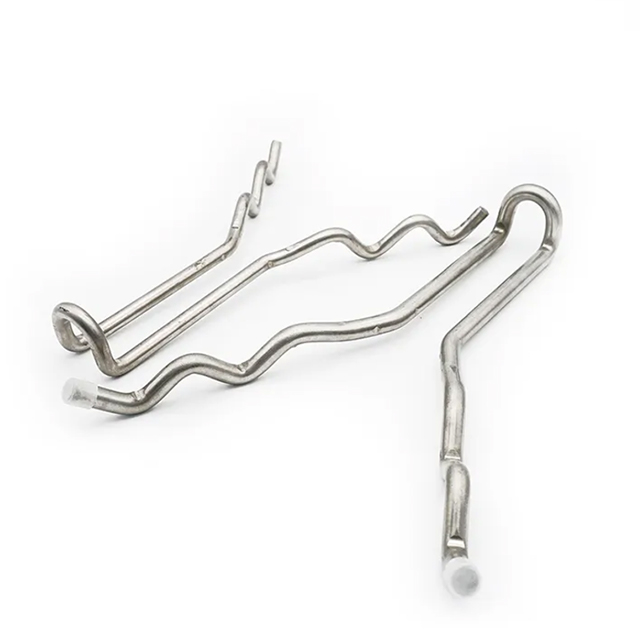
Refractory anchors are metal fasteners that secure refractory linings inside high-temperature systems, such as cement kilns. These anchors are designed to ensure that the refractory linings stay in place despite the constant exposure to intense heat, thermal cycling, and mechanical stresses within the kiln environment.
Cement kilns are the heart of cement plants, where raw materials are heated to extremely high temperatures to produce clinker—the key component in cement. Refractory linings in these kilns act as insulators, reducing heat loss and protecting the structural integrity of the equipment. Without effective refractory anchors, the refractory material would shift or crack, leading to inefficiencies and even catastrophic failures.
Cement production requires a continuous and stable operation of high-temperature systems, especially the kiln, which reaches temperatures above 1400°C (2552°F). Refractory linings are critical to maintaining heat within these systems, as they prevent energy loss and protect the structural integrity of the kiln. Without reliable refractory anchors, the efficiency of the entire system would be compromised.
Refractory anchors ensure that the refractory linings remain intact and functional. The anchors not only hold the refractory material in place, but they also withstand the mechanical stresses and vibrations from thermal cycling. Properly functioning refractory anchors enable better heat retention, reduced energy consumption, and enhanced overall efficiency of the cement production process.
Refractory anchors come in various types, each designed to meet the specific demands of different high-temperature applications in cement plants. The choice of anchor type depends on factors such as the temperature range, mechanical stresses, and chemical exposure in the kiln. Understanding these classifications helps cement plant operators select the most suitable anchors for their systems, ensuring optimal performance and longevity.
Pin-type anchors are one of the most commonly used types in cement plants. They consist of a metal pin that is inserted into the refractory material and secured in place with a metal base or washer. These anchors are designed to hold the refractory lining securely, even under high temperatures and mechanical stresses.
● High Resistance to Mechanical Stress: Pin-type anchors are ideal for applications where there is a need to withstand significant mechanical forces.
● Durability: They are made of high-strength alloys that resist wear and corrosion.
● Versatility: Suitable for various industrial applications, including cement plants, steel mills, and power generation systems.
Ring-type anchors are commonly used for larger refractory linings in high-temperature applications. These anchors consist of a metal ring that holds the refractory material securely while distributing thermal stress evenly across the surface. They provide a more stable and uniform anchor system than pin-type anchors, especially in larger installations.
● Improved Stability: The ring design provides a more secure bond, especially in large-scale cement kilns.
● Reduced Thermal Stress: By evenly distributing thermal expansion, ring-type anchors help minimize the effects of thermal cycling.
● Better Performance in Large Kilns: They are more effective in large cement plants where high thermal cycling and mechanical stress are prevalent.
Spot weld anchors are used in smaller applications or in areas where the refractory lining experiences less thermal fluctuation. These anchors are welded directly to the kiln wall or base, making them a more cost-effective option for smaller systems. Spot weld anchors provide a secure attachment without the need for additional mechanical fasteners, reducing installation time.
● Cost-Effective: Spot weld anchors are ideal for smaller systems, offering a lower cost solution.
● Fast Installation: The welding process is quicker than other anchor types, reducing installation downtime.
● Suitable for Smaller Kilns: Perfect for applications where less thermal expansion occurs, such as in smaller kilns or low-stress areas.
Lag-type anchors are designed for extreme high-temperature environments and are often used in cement plants where the refractory lining is exposed to thermal shock and extreme conditions. These anchors have a large surface area, allowing them to distribute the stress over a wider area and thus reduce the risk of anchor failure.
● Enhanced Durability: With their larger surface area, lag-type anchors are highly durable and effective in environments with thermal shock and stress.
● Improved Stress Distribution: The design ensures better distribution of thermal expansion, preventing anchor failure.
● High-Temperature Resistance: These anchors can withstand some of the most extreme conditions found in cement kilns and other high-heat environments.
Loop-type anchors are designed to provide a secure attachment for refractory linings while allowing for some flexibility in their expansion. These anchors consist of a metal loop that is embedded into the refractory material, providing both secure attachment and movement accommodation during thermal cycling. Loop-type anchors are ideal for applications where significant thermal expansion is expected.
● Flexibility: These anchors accommodate the thermal expansion and contraction of the refractory material.
● Secure Attachment: Despite their flexibility, loop-type anchors offer a strong hold that prevents the refractory material from dislodging.
● Ideal for High-Heat Environments: Loop-type anchors are well-suited for systems that experience significant temperature fluctuations, such as cement kilns.
Anchor Type | Description | Benefits | Ideal Applications |
Pin-Type Anchors | Metal fasteners with a pin inserted into the refractory material and secured by a washer. | - High resistance to mechanical stress - Durable and corrosion-resistant - Versatile for various applications | - Small to medium kilns - Areas subject to significant mechanical forces |
Ring-Type Anchors | Metal ring used to hold large refractory linings securely in place. | - Improved stability - Better thermal stress distribution - Ideal for large-scale applications | - Large cement kilns - High thermal cycling environments |
Spot Weld Anchors | Anchors welded directly to the kiln wall or base. | - Cost-effective - Quick installation - Suitable for smaller kilns | - Smaller kilns - Low thermal fluctuation areas |
Lag-Type Anchors | Large surface area anchors designed to handle extreme temperatures and thermal shock. | - Enhanced durability - Effective for thermal shock - High-temperature resistant | - Extreme high-temperature environments - Kilns exposed to thermal shock |
Loop-Type Anchors | Metal loop embedded into the refractory lining to secure it while allowing for flexibility. | - Flexibility to accommodate thermal expansion - Secure hold - Ideal for fluctuating temperatures | - High-heat environments with significant temperature changes |
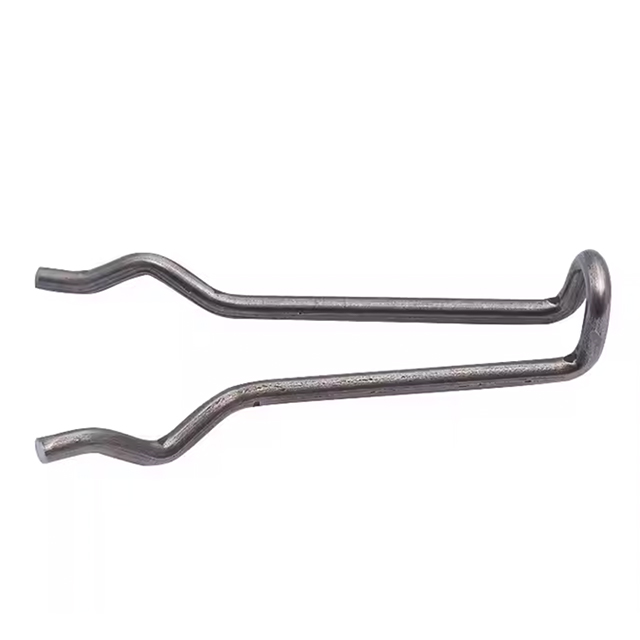
Selecting the appropriate type of refractory anchor depends on several factors. These include the size of the kiln, the operating temperature, the mechanical stresses the system will face, and the material properties of the refractory linings. Cement plant operators must carefully assess these conditions to choose the right anchor type for optimal performance.
● Pin-Type Anchors are ideal for applications with high mechanical stress.
● Ring-Type Anchors work best for large-scale kilns and provide stability.
● Spot Weld Anchors are perfect for smaller kilns or areas with less thermal fluctuation.
● Lag-Type Anchors are used in extreme high-temperature environments and thermal shock conditions.
● Loop-Type Anchors are best suited for applications where significant thermal expansion is expected.
By understanding these different types of refractory anchors and their benefits, cement plant operators can select the most appropriate solution for their specific needs. Proper selection and installation of refractory anchors can significantly reduce maintenance costs, improve efficiency, and extend the lifespan of high-temperature systems.
Refractory anchors are critical components that ensure the longevity and efficiency of cement plants. Given the harsh operating conditions, maintaining these anchors through best practices is key to preventing failures and improving overall kiln performance. Below are best practices that should be followed in cement plants to ensure the effectiveness of refractory anchors.
Regular inspections are essential for identifying problems with refractory anchors before they escalate into major issues. Inspections should focus on signs of corrosion, anchor displacement, misalignment, or mechanical fatigue. The earlier these issues are identified, the easier and more cost-effective it is to address them. Regular inspections also allow cement plants to proactively address problems, reducing the chances of unexpected failures.
Routine cleaning of refractory anchors and surrounding materials is crucial. This helps remove any debris, corrosive substances, and other build-up that could damage the anchors. Cleaning also helps maintain optimal thermal efficiency, ensuring that the refractory system performs at its best. In addition, ensuring proper anchor alignment and secure positioning during inspections can prevent issues related to displacement and misalignment.
Routine inspection also provides a chance to assess the condition of the refractory lining itself. If any cracks, fissures, or gaps are detected, it’s important to repair these issues as soon as possible to prevent further damage to the anchors.
One of the key factors in ensuring the long lifespan and performance of refractory anchors is the selection of high-quality materials. In a cement plant, anchors are exposed to extreme heat, chemical reactions, and mechanical stresses. If anchors are made from low-quality or inappropriate materials, they can quickly deteriorate, leading to premature failure.
Materials like stainless steel and Inconel, which are resistant to high temperatures and corrosion, are ideal for cement plant environments. These materials ensure that refractory anchors can handle the demanding conditions within the kiln, reducing the need for frequent repairs or replacements.
Emerging materials, including self-healing alloys and smart materials, hold the promise of further improving refractory anchor performance. These materials are designed to detect minor damage and repair it autonomously, significantly reducing the need for constant monitoring and repairs. Keeping up with these innovations can further extend the lifespan of refractory anchors, making the system more reliable and reducing maintenance costs.
Cement plants experience continuous thermal cycling in their high-temperature systems. Refractory anchors and the refractory linings themselves are subjected to constant temperature fluctuations, causing them to expand and contract. Over time, this thermal stress can lead to anchor deformation or even complete failure if not properly managed.
The anchors must be able to withstand these temperature variations without compromising their integrity. Thermal cycling is one of the leading causes of wear and tear on anchors, and improper management can lead to expensive repairs and downtime.
The key to managing thermal stress is using anchors designed to accommodate these fluctuations. Flexible anchors or anchors made from high-temperature-resistant alloys can expand and contract without losing their strength. Furthermore, proper spacing of the anchors can ensure that the thermal stress is evenly distributed, reducing the likelihood of damage.
Design Element | Function | Benefit |
Flexible Anchors | Allow for movement during thermal cycles | Minimize stress and reduce damage |
Proper Spacing | Distribute thermal expansion evenly | Reduce the impact of temperature fluctuations |
High-Temperature Materials | Designed to withstand extreme heat | Ensure durability in HRSGs |
Corrosion is one of the most common issues that refractory anchors face in cement plants. With exposure to high heat, chemicals, and moisture, corrosion can rapidly degrade anchor materials. This weakens their effectiveness, allowing the refractory linings to become displaced. To mitigate corrosion, high-quality alloys like Inconel or stainless steel should be used for the anchors. Furthermore, regular inspections and the application of protective coatings can reduce corrosion risks.
Continuous mechanical stress from vibrations and thermal cycling can cause fatigue in refractory anchors. To combat this, it’s essential to use high-strength alloys such as Inconel, which are designed to resist the stresses that come with these extreme conditions. Mechanical fatigue can cause anchors to weaken, potentially leading to anchor failure or the detachment of refractory linings. Choosing the right materials and regularly inspecting for signs of fatigue can help reduce anchor failure.
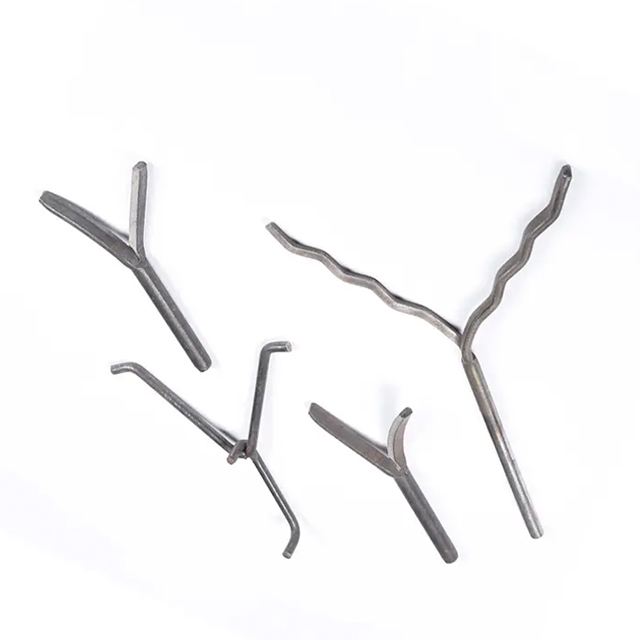
Refractory anchors play a pivotal role in ensuring the smooth operation and efficiency of cement plants. Although often hidden from view, these anchors are responsible for securing the refractory linings that protect high-temperature systems from extreme heat. Without them, cement plants would face significant challenges, including energy loss, system failures, and high maintenance costs. By understanding the challenges refractory anchors face—such as corrosion, thermal expansion, mechanical fatigue, and poor material selection—operators can take proactive steps to address these issues. Regular maintenance, investing in high-quality materials, and ensuring proper anchor installation can significantly improve anchor lifespan and performance. At Leader, we provide reliable, high-quality refractory anchors and other products designed to meet the demanding requirements of modern industrial applications, helping ensure long-term efficiency and performance in cement plants.
A: A refractory anchor is a metal fastener used to secure refractory linings in high-temperature environments, such as cement kilns. It prevents the refractory material from shifting or degrading due to extreme heat, ensuring efficient operation.
A: Refractory anchors are crucial in cement plants as they secure refractory linings within kilns, providing insulation and protecting equipment from high temperatures. Without these anchors, cement plants would face inefficiencies, higher energy consumption, and increased maintenance costs.
A: Refractory anchors maintain the structural integrity of the refractory linings during thermal cycling. This ensures better heat retention, reduced energy loss, and fewer maintenance requirements, leading to improved efficiency and performance in cement plants.
A: Common problems with refractory anchors include corrosion, thermal expansion, anchor displacement, mechanical fatigue, chemical degradation, poor material selection, and installation errors. These issues can lead to inefficiencies and costly downtime in cement plants.


